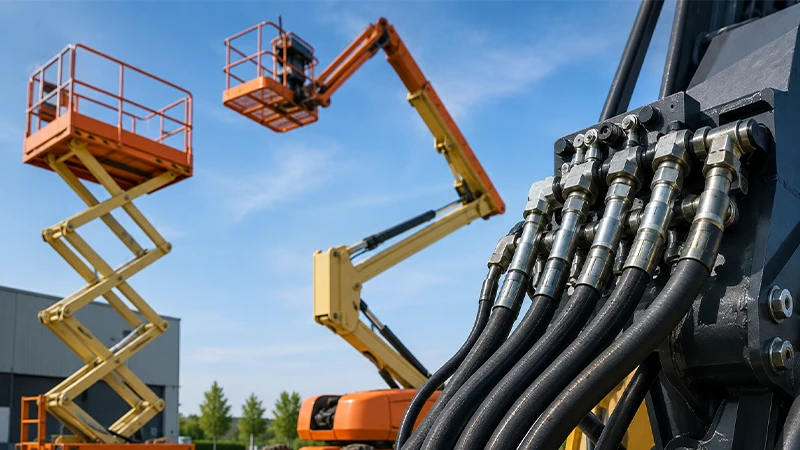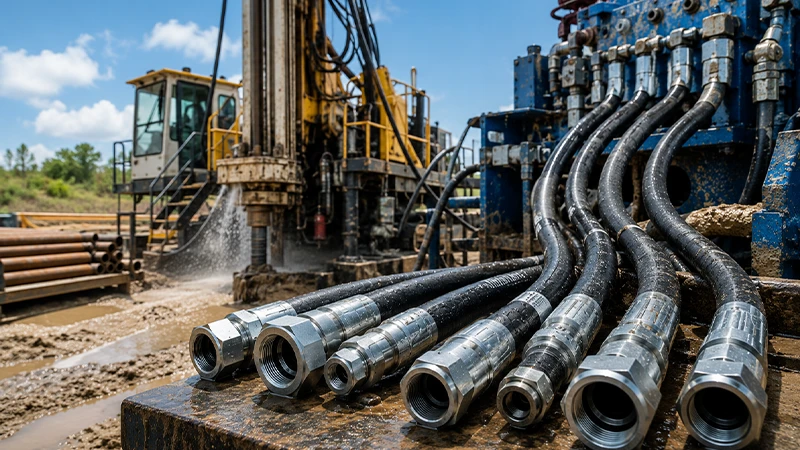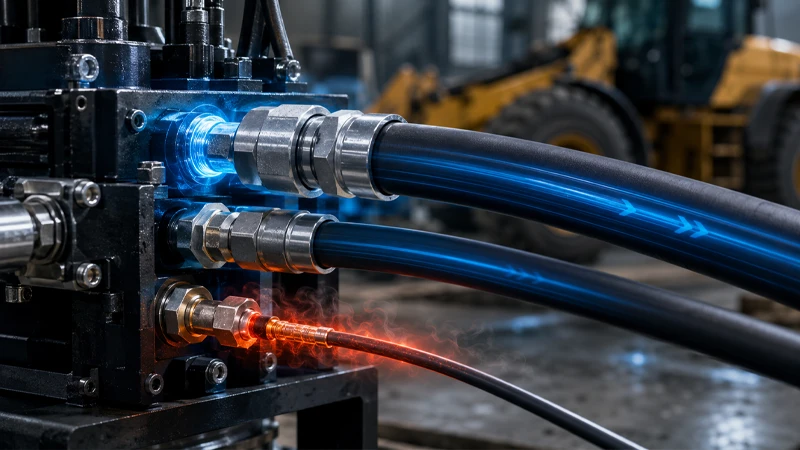
Le attrazioni dei parchi divertimento occupano una posizione unica nel mondo delle applicazioni idrauliche: le apparecchiature devono garantire un movimento fluido, preciso e ripetibile migliaia di volte a stagione, trasportando passeggeri e operando sotto l'intensa supervisione della sicurezza pubblica. A differenza della maggior parte dei sistemi idraulici industriali , dove un arresto imprevisto si traduce semplicemente in una perdita di tempo di produzione, un guasto idraulico su un'attrazione ha implicazioni dirette per la sicurezza dei passeggeri, il che rende la scelta di tubi flessibili e raccordi una decisione ingegneristica critica, piuttosto che un semplice acquisto di routine.
Questo articolo esamina l' utilizzo dei tubi idraulici nelle attrazioni e nelle attrezzature per l'intrattenimento, i requisiti prestazionali specifici richiesti da questo settore e le priorità che i produttori di attrazioni e i team di manutenzione dovrebbero considerare nella scelta dei componenti idraulici.
Perché le attrazioni dei parchi divertimento rappresentano un'applicazione idraulica unica
Diversi fattori contribuiscono a rendere i sistemi idraulici di guida diversi dalle tipiche applicazioni per macchinari industriali o mobili:
- Conteggio dei cicli estremamente elevato — un'attrazione popolare può effettuare centinaia di cicli al giorno, il che si traduce in decine di migliaia di cicli di pressione a stagione.
- Controllo di movimento di precisione — molte attrazioni richiedono un'accelerazione, una decelerazione e un posizionamento fluidi, piuttosto che una semplice attivazione/disattivazione.
- esposizione alla sicurezza pubblica — i componenti idraulici supportano direttamente i sistemi di sicurezza dei passeggeri, i meccanismi di ritenuta e il movimento strutturale
- Esposizione all'aperto — la maggior parte delle attrazioni funziona all'aperto tutto l'anno o stagionalmente, affrontando l'esposizione ai raggi UV, le variazioni di temperatura e le condizioni meteorologiche estreme
- Rigorosa supervisione normativa — I sistemi idraulici di guida sono spesso soggetti a standard di ispezione e requisiti di certificazione che vanno oltre quelli tipici delle apparecchiature industriali.
A causa di questi fattori, la scelta di tubi flessibili e raccordi per le attrezzature da gioco tende a privilegiare margini di sicurezza più elevati e valori nominali dei componenti più conservativi rispetto alle applicazioni industriali comparabili.
Principali applicazioni idrauliche nelle attrazioni dei parchi divertimento
Attrazioni con torre di sollevamento e caduta
Le torri di sollevamento e i sistemi di ascensori utilizzano cilindri idraulici per sollevare i veicoli e, in alcuni modelli, per controllarne la velocità di discesa. Questi circuiti richiedono tubi flessibili ad alta pressione in grado di sopportare carichi costanti durante la fase di sollevamento e un controllo preciso durante la decelerazione, dove prestazioni idrauliche costanti sono direttamente correlate al comfort e alla sicurezza dei passeggeri.
Simulatori di movimento e veicoli per percorsi al chiuso
Le attrazioni basate sul movimento, inclusi i simulatori e i veicoli delle dark ride con basi di movimento idrauliche, si affidano ad attuatori idraulici per il beccheggio, il rollio e il movimento verticale. Questi sistemi richiedono un funzionamento fluido e reattivo dei tubi flessibili, poiché anche piccole fluttuazioni di pressione possono tradursi in incongruenze di movimento percettibili per i visitatori.
Sistemi di ritenuta e sicurezza
Molte attrazioni moderne utilizzano sistemi di ritenuta idraulici o idraulici per bloccare e sbloccare le cinture di sicurezza e le barre di trazione dei passeggeri. L'affidabilità in questo caso non è negoziabile: i guasti ai tubi flessibili e ai raccordi nei circuiti di ritenuta sono considerati problemi di sicurezza critici, non semplici questioni di manutenzione.
Attrezzature per spettacoli e palcoscenici
Oltre alle attrazioni stesse, i luoghi di intrattenimento utilizzano ampiamente l'idraulica per piattaforme elevatrici, piattaforme rotanti, figure animatroniche e attrezzature per effetti speciali. Questi sistemi spesso richiedono movimenti precisi e ripetibili, sincronizzati con gli spettacoli dal vivo, il che comporta esigenze di tempistica e affidabilità simili a quelle dell'automazione industriale.
Sistemi di sollevamento ad acqua
Le attrazioni acquatiche, come i percorsi su tronchi, le montagne russe acquatiche e simili, spesso utilizzano sistemi di sollevamento idraulici per trasportare veicoli o imbarcazioni in quota. Questi circuiti devono affrontare l'ulteriore sfida di operare in ambienti costantemente umidi, a volte trattati chimicamente (con cloro).
Piattaforme di carico e scarico
I sistemi idraulici vengono utilizzati anche per i cancelli delle piattaforme, le rampe portanti e le barriere di accesso ai punti di ingresso e uscita delle attrazioni: circuiti a bassa pressione ma ad alta frequenza che funzionano continuamente durante tutto l'orario di apertura.
Condizioni operative che influenzano la scelta del tubo flessibile
Richieste di fatica ciclica estremamente elevate
Poiché le attrazioni più popolari possono essere utilizzate centinaia di volte al giorno durante un'intera stagione, la resistenza alla fatica di tubi flessibili e raccordi è una delle specifiche più importanti per questo settore. I componenti progettati per un uso industriale occasionale o a cicli moderati generalmente non sono sufficienti per le attrazioni ad alta frequentazione dei parchi divertimento.
Requisiti di precisione e coerenza
A differenza di molte applicazioni industriali in cui piccole variazioni di pressione sono tollerabili, le attrazioni e i simulatori di movimento dipendono da una risposta idraulica costante sia per la sicurezza che per l'esperienza del passeggero. La flessibilità dei tubi flessibili, la costanza del diametro interno e le caratteristiche di caduta di pressione sono tutti fattori che contribuiscono a un controllo del movimento fluido e prevedibile.
Esposizione agli agenti atmosferici e ai raggi UV
La maggior parte delle attrazioni funziona all'aperto per lunghi periodi, esponendo i tubi flessibili a radiazioni UV prolungate, ozono e sbalzi di temperatura tra le calde ore diurne e le fresche ore serali. Le coperture dei tubi flessibili devono essere resistenti agli agenti atmosferici per evitare crepe o irrigidimenti prematuri.
Esposizione all'acqua e alle sostanze chimiche
Le attrazioni acquatiche espongono i componenti idraulici a un'umidità costante e, in molti casi, ad acqua clorata o trattata utilizzata per la sicurezza degli ospiti. Le guaine e i raccordi dei tubi flessibili devono quindi avere un'adeguata resistenza alla corrosione e agli agenti chimici per prevenire il deterioramento in queste condizioni.
Vibrazioni e carichi dinamici
Le corse con rapide accelerazioni, decelerazioni o ripetuti cambi di direzione generano vibrazioni e carichi dinamici che sollecitano nel tempo i raccordi dei tubi flessibili: un fattore trattato in modo più approfondito nel nostro articolo sui motivi per cui i tubi flessibili idraulici si rompono in corrispondenza dei raccordi.
Requisiti normativi e di ispezione
I sistemi idraulici delle attrazioni dei parchi divertimento sono spesso soggetti a programmi di ispezione formali e requisiti di certificazione, il che significa che la documentazione relativa a tubi flessibili e raccordi, la tracciabilità e i registri dei test assumono un'importanza maggiore rispetto a molte applicazioni industriali generiche.
Tipi di tubi flessibili consigliati per attrezzature per parchi divertimento e intrattenimento
Considerata la combinazione di elevati cicli di utilizzo, requisiti di precisione ed esposizione a rischi per la sicurezza pubblica, le specifiche dei tubi flessibili per questo settore includono in genere:
- Tubi flessibili con treccia metallica o a spirale ad alta resistenza agli impulsi per circuiti di sollevamento, abbassamento e controllo del movimento soggetti a frequenti cicli
- Coperture resistenti ai raggi UV e all'ozono per tubi flessibili in installazioni esterne permanenti
- Raccordi resistenti alla corrosione per attrazioni acquatiche e parchi situati in zone costiere o umide
- Tubi flessibili conformi agli standard industriali riconosciuti (SAE, EN) con dati documentati relativi a prove di pressione e impulso a fini di ispezione e certificazione.
- Margini di sicurezza conservativi al di sopra della pressione di esercizio calcolata, che riflette il contesto di sicurezza dei passeggeri di queste applicazioni
Considerazioni sulla manutenzione per i gestori delle attrazioni
Considerato il contesto normativo e le implicazioni in termini di sicurezza, i programmi di manutenzione idraulica dei parchi divertimento tendono ad essere più rigorosi rispetto alla tipica manutenzione industriale:
- Attenersi scrupolosamente agli intervalli di ispezione specificati dal produttore.e documentare ogni ispezione per garantire la conformità normativa.
- Dare priorità alle ispezioni dei circuiti di ritenuta e sollevamentopoiché questi sistemi hanno il collegamento più diretto con la sicurezza del ciclista
- Presta attenzione ai primi segni di danni causati dai raggi UV o dall'ozono., come ad esempio la formazione di crepe superficiali sui rivestimenti dei tubi flessibili, soprattutto nelle attrazioni con una significativa esposizione al sole
- Sostituire i tubi flessibili in modo preventivo in base al numero di cicli di utilizzo e alla stagione., piuttosto che aspettare un guasto visibile, soprattutto nelle attrazioni ad alto flusso
- Mantenere registri di tracciabilità completi per tubi flessibili e componenti di raccordo utilizzati in circuiti critici per la sicurezza
Collaborazione con un fornitore di tubi idraulici per attrezzature di intrattenimento.
Le attrazioni e le attrezzature per il divertimento combinano le esigenze idrauliche di livello industriale, soggette a cicli di utilizzo intensivi, con standard di sicurezza e affidabilità più simili a quelli delle apparecchiature aerospaziali o medicali che a quelli dei macchinari tradizionali. I produttori di attrazioni necessitano di fornitori di tubi flessibili e raccordi in grado di garantire qualità costante, una documentazione completa e componenti adatti ad applicazioni che richiedono cicli di utilizzo intensivi e alta precisione.
Noi di Kingdaflex produciamo tubi flessibili e raccordi idraulici adatti ad applicazioni impegnative e ad alto ciclo di utilizzo, con le pressioni nominali, la resistenza agli agenti atmosferici e la documentazione di qualità richieste dai produttori di attrazioni e attrezzature per il divertimento. Il nostro team può aiutarvi a scegliere il tubo flessibile più adatto per sistemi di sollevamento, basi di movimento e circuiti di ritenuta, a supporto sia delle prestazioni che della sicurezza dei passeggeri.
Domande frequenti
Perché le attrazioni dei parchi divertimento necessitano di tubi idraulici con una portata maggiore rispetto alle tipiche attrezzature industriali?
Le corse si susseguono con una frequenza molto maggiore rispetto alla maggior parte dei macchinari industriali e incidono direttamente sulla sicurezza dei passeggeri; ciò significa che i componenti dei tubi flessibili e dei raccordi sono generalmente specificati con valori di resistenza alla fatica più elevati e margini di sicurezza più conservativi.
Quale tipo di tubo idraulico è più adatto per le attrazioni acquatiche?
Per i percorsi acquatici con tronchi, le montagne russe acquatiche e attrazioni simili, si raccomandano in genere tubi flessibili con raccordi e rivestimenti resistenti alla corrosione, adatti all'esposizione costante all'umidità e all'acqua clorata.
Con quale frequenza è necessario sostituire i tubi idraulici delle attrazioni dei parchi divertimento?
Gli intervalli di sostituzione si basano in genere sulle specifiche del produttore, legate al numero di cicli e alla stagione di utilizzo, piuttosto che sulla sola usura visibile, soprattutto per le attrazioni ad alta affluenza e i circuiti di ritenuta critici per la sicurezza.
I tubi idraulici dei parchi divertimento necessitano di una certificazione speciale?
In molte giurisdizioni è richiesta la documentazione relativa a ispezioni e collaudi dei componenti idraulici dei sistemi di trasporto; pertanto, per questo settore, si prediligono tubi flessibili e raccordi con dati tracciabili relativi a prove di pressione e impulso.