
We manufacture high-performance XLPE chemical hoses designed for safe and reliable transfer of aggressive fluids. Engineered for superior chemical resistance, low permeation, and long service life, our hoses are widely used in industrial chemical processing, acid and solvent handling, and corrosive fluid transfer applications.

XLPE chemical hoses are widely used for transferring aggressive acids and alkalis such as sulfuric acid, hydrochloric acid, sodium hydroxide, and other corrosive media. The cross-linked polyethylene inner liner provides excellent chemical resistance and low permeation, ensuring safe operation and long service life in chemical plants, refineries, and bulk chemical handling systems.
Designed for compatibility with a wide range of solvents and fuels, XLPE chemical hoses perform reliably when handling aromatics, alcohols, hydrocarbons, and blended chemical fluids. Compared with traditional rubber hoses, XLPE hoses offer improved resistance to swelling and degradation, making them suitable for fuel transfer, solvent recovery, and chemical loading and unloading operations.
In industrial process piping systems, XLPE chemical hoses are commonly used as flexible connections for transferring corrosive or reactive fluids between equipment. Their smooth inner surface minimizes flow resistance and product contamination, while the reinforced structure supports stable performance under continuous pressure and temperature variations in chemical processing, pharmaceutical, and manufacturing environments.
XLPE hoses are suitable for both suction and delivery of corrosive fluids where reliable vacuum resistance and structural integrity are required. Reinforced designs prevent collapse during suction, while the chemically resistant liner protects against permeation and leakage. Typical applications include chemical tank unloading, waste fluid transfer, and corrosive liquid handling in harsh industrial conditions.
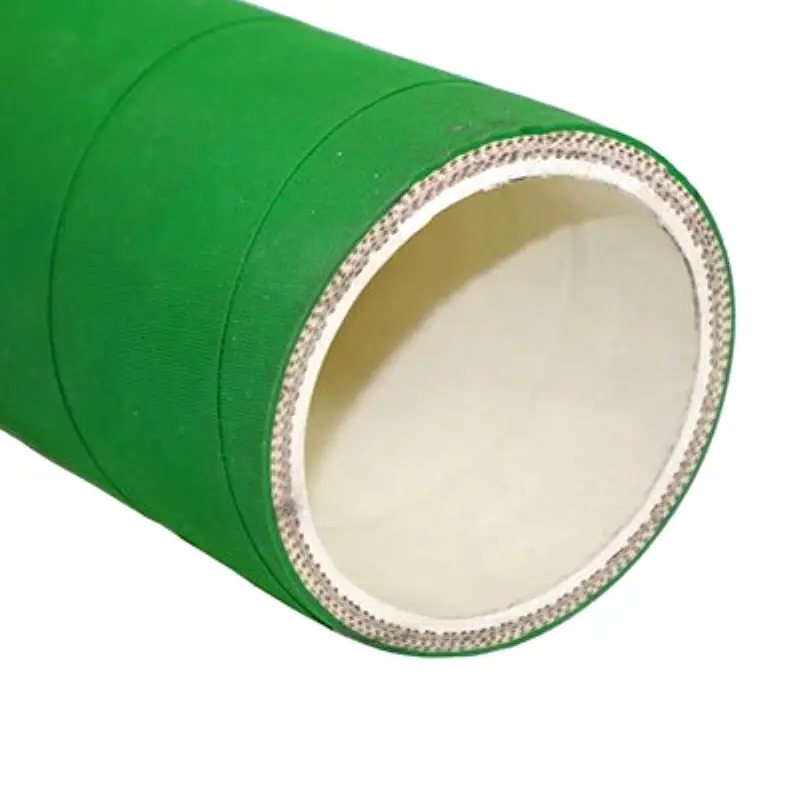
Our XLPE chemical transfer hoses are designed for safe and efficient transfer of aggressive chemicals, including acids, alkalis, solvents, and corrosive industrial fluids. The cross-linked polyethylene inner liner provides excellent chemical compatibility and low permeation, reducing contamination risks.
These hoses are suitable for medium to high working pressures and can operate across a wide temperature range, making them ideal for chemical processing plants, tanker loading, and industrial fluid transfer systems.
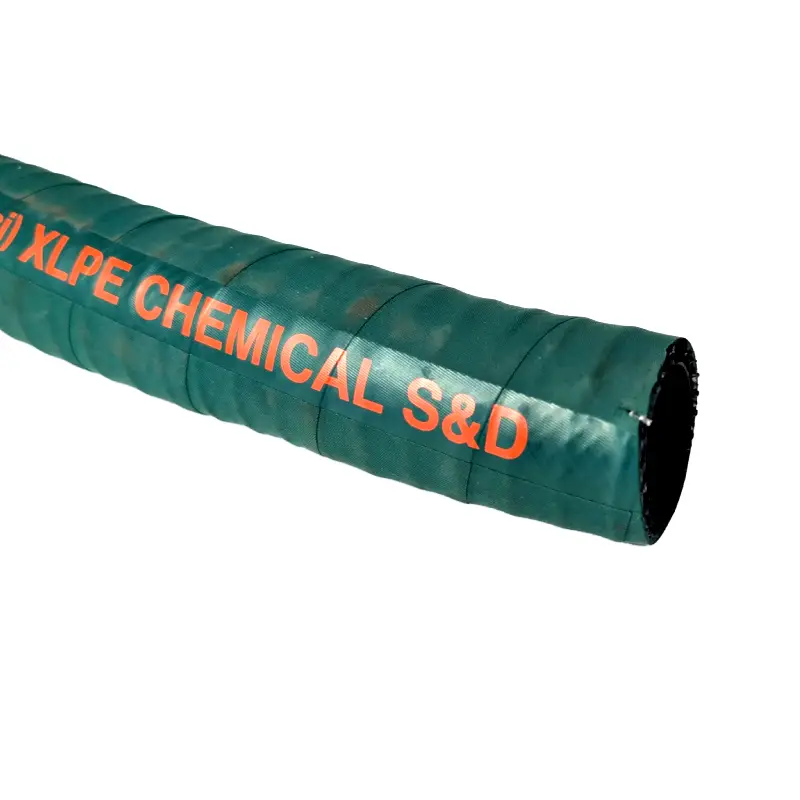
XLPE suction and delivery hoses are engineered for applications requiring both vacuum resistance and reliable pressure performance when handling corrosive fluids. Reinforced constructions prevent hose collapse during suction, while the XLPE liner ensures long-term chemical resistance and durability.
These hoses are commonly used for chemical tank unloading, waste fluid handling, and industrial transfer operations, performing consistently under fluctuating pressures and temperatures in demanding chemical environments.
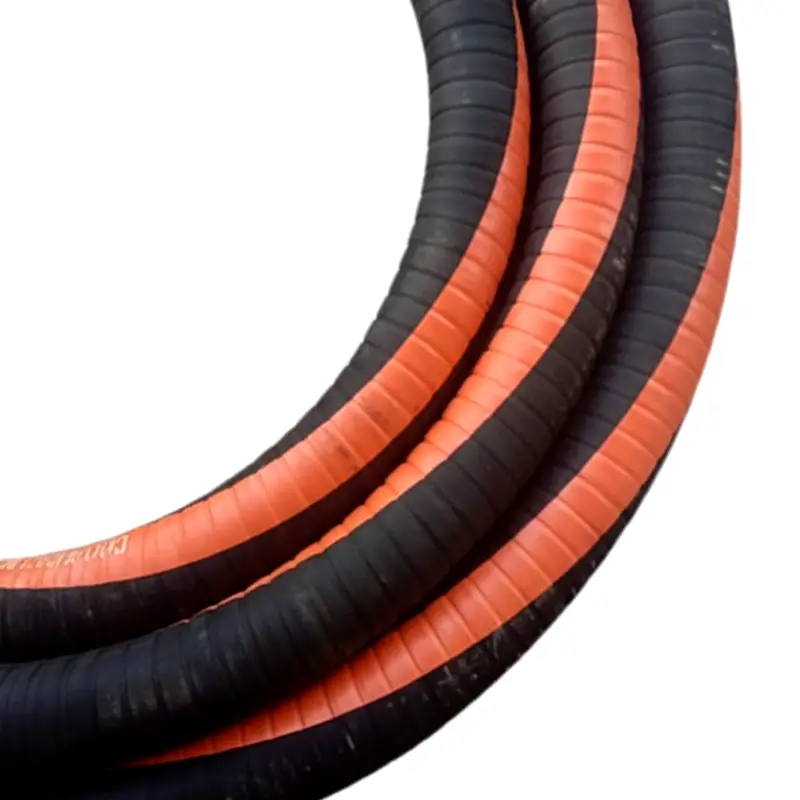
Heavy duty XLPE chemical hoses are built for harsh operating conditions involving high pressure, mechanical stress, and aggressive chemicals. Featuring enhanced reinforcement layers and abrasion-resistant outer covers, they provide superior strength and extended service life.
Designed to withstand elevated pressures and challenging temperature ranges, these hoses are widely used in heavy industrial chemical transfer, refinery operations, and applications where reliability and safety are critical.
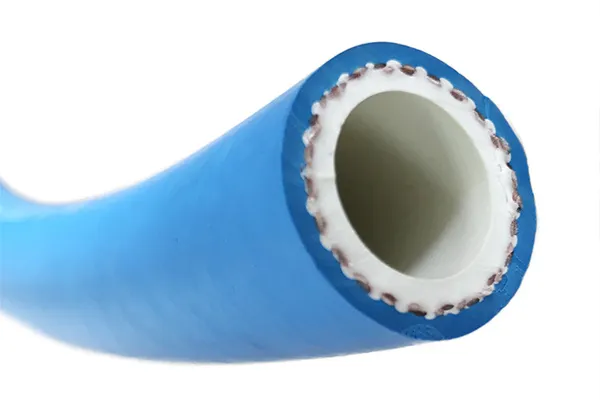
The XLPE inner liner provides excellent resistance to aggressive chemicals, acids, alkalis, and solvents, with low permeation and minimal fluid absorption for safe, long-term chemical transfer.
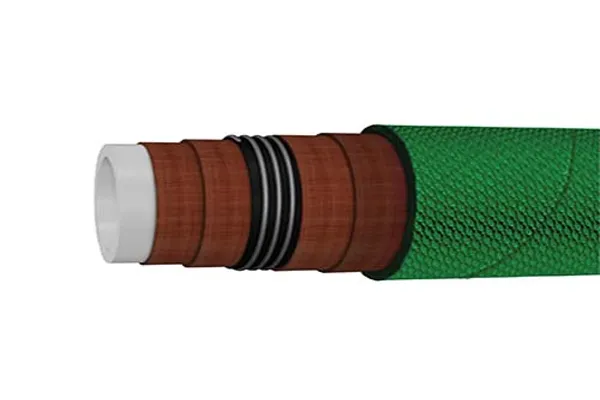
High-strength textile or steel wire reinforcement delivers reliable pressure and vacuum resistance, preventing hose collapse and ensuring stable performance under demanding industrial operating conditions.
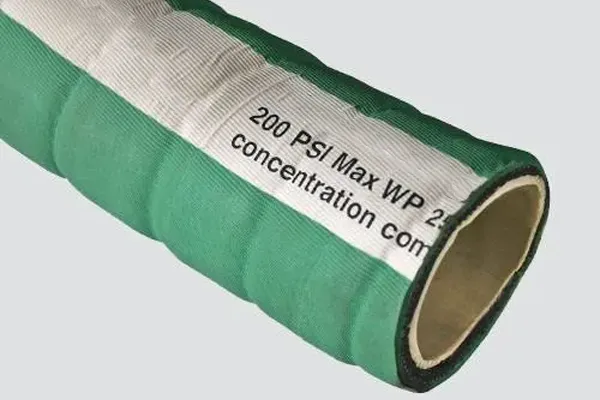
The abrasion- and weather-resistant outer cover protects the hose against chemicals, UV exposure, ozone, and mechanical wear, extending service life in harsh industrial and outdoor environments.
At Kingdaflex, quality is built into every XLPE chemical hose we manufacture. Our rigorous processes guarantee that each hose meets industrial and export standards:
Comprehensive testing for chemical resistance, flexibility, and mechanical performance ensures consistent product quality.
All hoses undergo pressure and leak tests under simulated working conditions to ensure safety and reliability.
Raw materials, including XLPE compounds, reinforcement fibers, and cover compounds, are carefully inspected before production.
Our hoses comply with international quality standards, ensuring safe and reliable operation for global chemical applications.
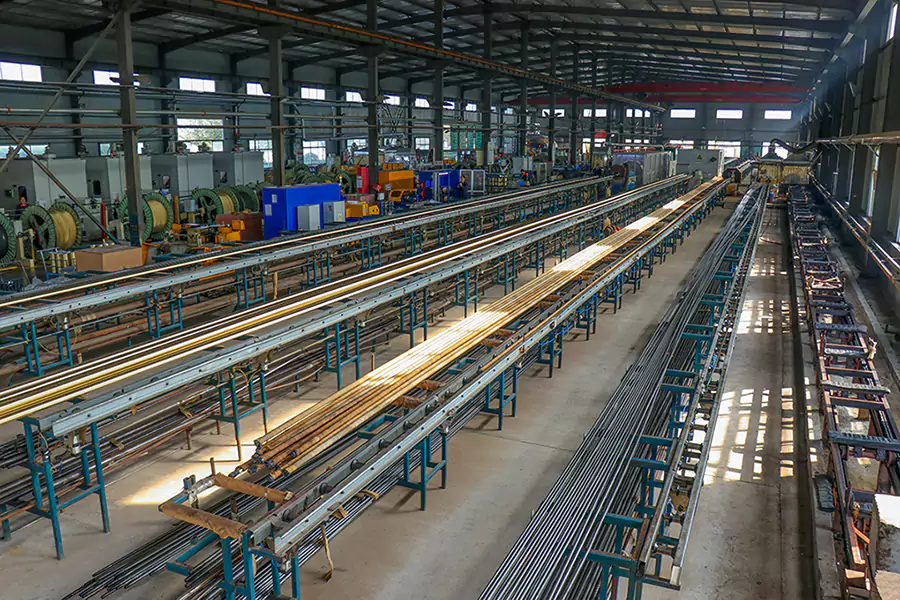
XLPE chemical hoses are highly resistant to a wide range of aggressive fluids, including acids, alkalis, solvents, fuels, and corrosive industrial chemicals. They offer superior chemical resistance compared with traditional rubber hoses, minimizing permeation and contamination. However, compatibility depends on concentration, temperature, and duration of exposure.
Always check chemical compatibility charts and consult your XLPE hose manufacturer to ensure safe operation. Proper selection ensures long-term performance, reduces maintenance, and protects equipment and personnel from chemical hazards.
XLPE hoses are designed to operate in a broad temperature range, typically from -40°C up to 90°C (or higher for specialized formulations). This makes them suitable for most industrial chemical transfer applications, including both hot and cold fluids. Extreme temperatures may require reinforced or custom-designed hoses.
Always verify the working temperature with your XLPE hose manufacturer to ensure safety, maintain pressure integrity, and prevent material degradation. Proper temperature management maximizes hose life and reduces the risk of leaks or failures in demanding chemical environments.
Yes, XLPE chemical hoses can be designed for suction applications, including vacuum and low-pressure fluid transfer. With appropriate reinforcement layers—such as textile or wire braids—these hoses resist collapse under negative pressure while maintaining chemical resistance.
Suction hoses are commonly used for acids, alkalis, solvents, and other aggressive fluids in industrial processes. When choosing a suction XLPE hose, consider the required vacuum rating, hose diameter, and chemical compatibility. Properly engineered suction hoses ensure safe, leak-free operation and extended service life in harsh chemical handling environments.
Selecting the right XLPE hose requires evaluating several factors: the type of chemical being transferred, operating temperature, working pressure, suction or delivery requirements, and environmental conditions.
Consider reinforcement type, liner thickness, and cover material to match your application. End fittings and crimping solutions should be compatible with your system. Consulting with a reliable XLPE hose manufacturer ensures you choose a hose that meets safety standards, optimizes performance, and minimizes maintenance.
Proper selection guarantees long-lasting, efficient, and safe chemical transfer in industrial applications.
Choosing the right chemical hose is critical for safe and efficient fluid transfer. Here’s how XLPE hoses compare with PTFE and rubber alternatives:
Chemical Compatibility
XLPE hoses offer excellent resistance to acids, alkalis, solvents, and other aggressive fluids. PTFE hoses handle highly corrosive chemicals but are less flexible, while rubber hoses are limited against strong chemicals.
Cost Efficiency
XLPE hoses provide a balance of high chemical resistance and affordability. PTFE hoses are generally more expensive, whereas rubber hoses are cost-effective but may require more frequent replacement in harsh chemical environments.
Flexibility
XLPE hoses are highly flexible and easy to install in tight spaces, outperforming rigid PTFE hoses. Rubber hoses are flexible but can swell or degrade depending on the chemical type.
Typical Applications
Choosing XLPE hoses from a reliable XLPE hose manufacturer ensures the optimal combination of performance, safety, and cost-effectiveness.