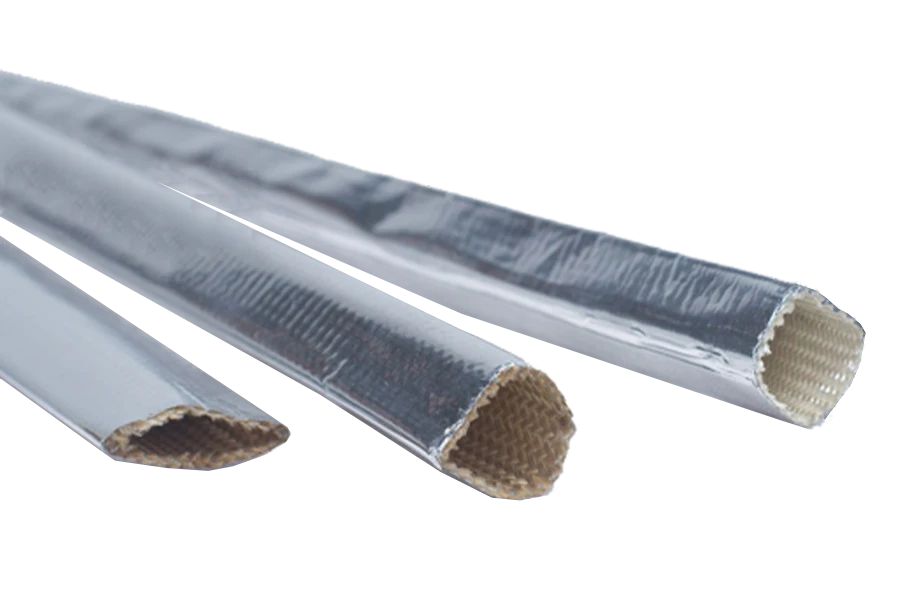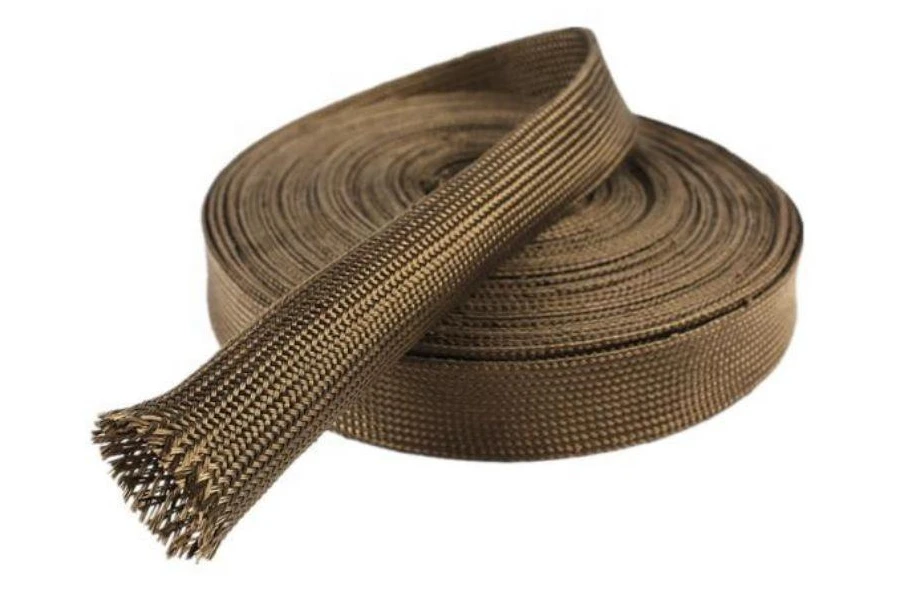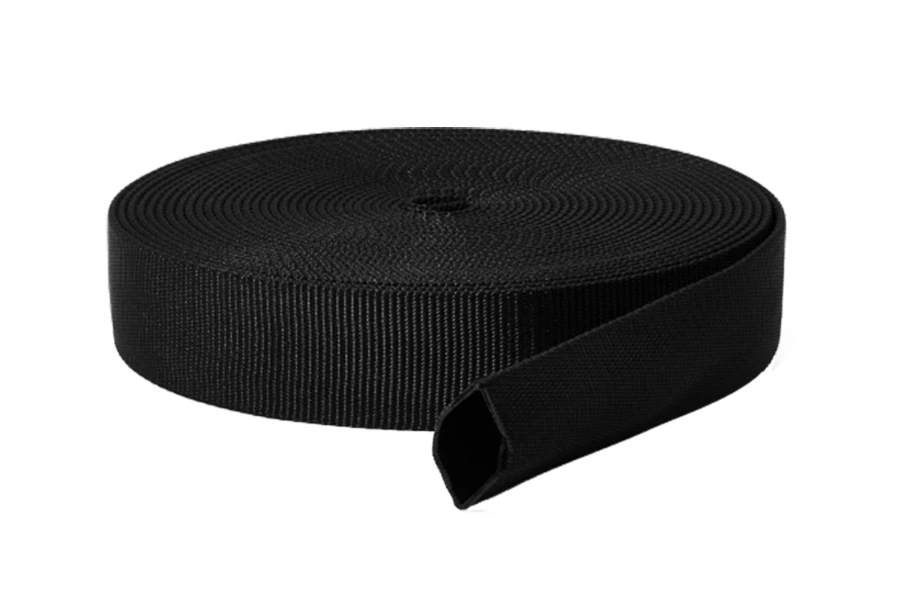
Hydraulic hose sheathing is designed to protect hoses from abrasion, scuffing, and external mechanical damage in demanding industrial environments.
Widely used in construction equipment, mining machinery, and industrial hydraulic systems, our hose sheathing solutions are manufactured for bulk supply and OEM integration, helping extend hose service life and improve overall system reliability.
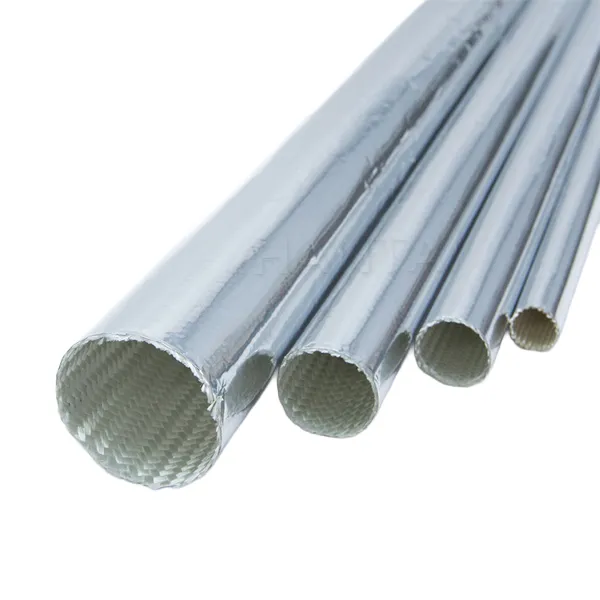
Aluminum coated fiberglass woven sleeves are designed for hydraulic hoses operating in environments requiring both abrasion protection and radiant heat reflection.
The fiberglass base provides mechanical strength, while the aluminum coating reflects heat and resists external thermal exposure. This type of sheathing is widely used in industrial equipment, metallurgical facilities, and high-temperature zones where hoses are exposed to heat sources, sparks, or hot surfaces.

Silicone sleeves offer flexible hose protection combined with excellent resistance to heat, oil, and environmental exposure. Commonly used in hydraulic and industrial systems, silicone sleeves help protect hoses from abrasion while maintaining flexibility for dynamic movement.
Their smooth surface and durability make them suitable for OEM hose assemblies and bulk applications where consistent performance and long service life are required.
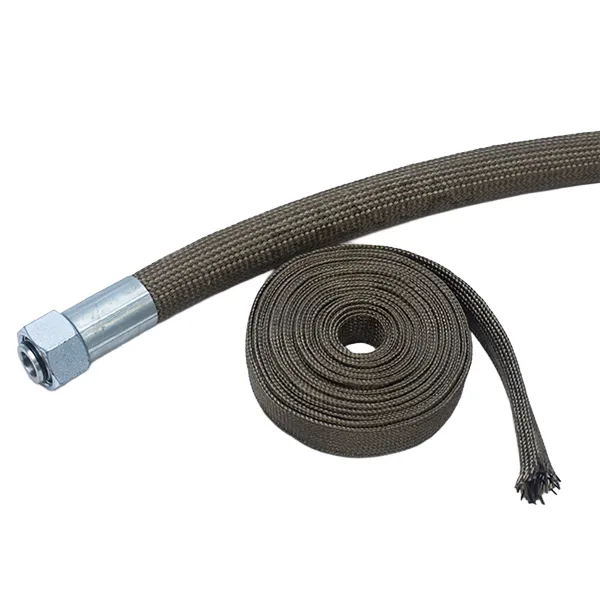
Braided basalt fiber sleeves provide high mechanical strength and superior temperature resistance for demanding industrial environments. Basalt fiber offers better heat tolerance than standard textile materials while maintaining flexibility and abrasion resistance.
These sleeves are often applied in heavy equipment, industrial hydraulics, and high-stress applications where long-term durability and thermal stability are critical for hose protection.
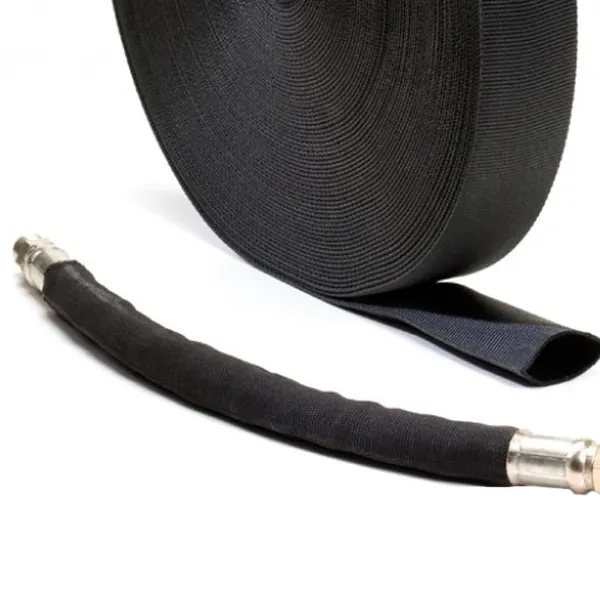
Nylon hydraulic hose sheathing is widely used for abrasion protection in mobile equipment and industrial hydraulic systems. Manufactured from high-strength nylon fibers, this sheathing effectively protects hoses from scuffing, impact, and external wear caused by constant movement and vibration. Nylon hose sheathing is a cost-effective solution for OEM production, bulk supply, and applications requiring reliable mechanical protection.
Hydraulic hose sheathing is widely used in excavators, loaders, cranes, and construction machinery to protect hoses from abrasion, impact, and vibration caused by continuous movement and harsh outdoor working conditions.
In mining and quarry operations, hydraulic hoses are exposed to severe abrasion, heavy vibration, and mechanical stress. Hose sheathing helps extend hose service life, improve system reliability, and reduce unplanned downtime in demanding environments.
Agricultural machinery and mobile hydraulic equipment use hose sheathing to resist abrasion, UV exposure, and mechanical damage during field operations, ensuring reliable hose performance and reduced maintenance across changing environments.
Material handling equipment and industrial machinery use hose sheathing to protect hydraulic hoses from friction, impact, and repetitive movement, helping maintain organized routing, improve durability, and support efficient equipment operation.
Hydraulic hose sheathing is manufactured using different materials to address specific protection requirements. Aluminum coated fiberglass woven sleeves are used where hoses are exposed to radiant heat. Silicone sleeves provide basic heat resistance and flexibility for moving hoses. Braided basalt fiber sleeves are suitable for applications requiring higher temperature tolerance and mechanical strength. Nylon hose sheathing is mainly used for abrasion protection in mobile and industrial hydraulic systems.
All sheathing types are designed to fit over hydraulic hoses without significantly affecting flexibility or routing. Material selection is based on operating temperature, movement, and abrasion level to ensure practical and reliable hose protection in OEM and bulk applications.
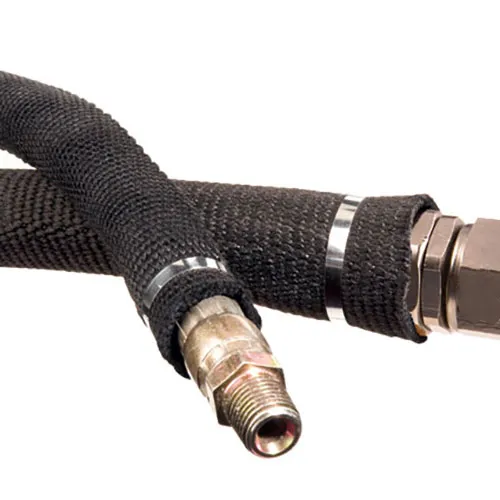
Hydraulic hose sheathing is a protective sleeve designed to shield hydraulic and industrial hoses from abrasion, scuffing, and external mechanical damage. It is commonly used to bundle multiple hoses, improve routing organization, and reduce wear caused by movement and vibration. Hose sheathing plays a critical role in extending hose service life and improving safety and reliability in demanding hydraulic and industrial applications.
Hydraulic hose sheathing is used to protect hydraulic and industrial hoses from abrasion, scuffing, impact, and external mechanical damage. It also helps bundle hoses together and improve routing organization. Hose sheathing is widely applied in construction equipment, mining machinery, agricultural equipment, and industrial hydraulic systems to extend hose service life and improve system reliability.
Hydraulic hose sheathing is manufactured from materials such as nylon, silicone, fiberglass, aluminum-coated fiberglass, and braided basalt fiber. Each material offers different performance characteristics, including abrasion resistance, heat resistance, flexibility, and mechanical strength. Material selection depends on operating temperature, movement, and environmental exposure requirements.
Yes, certain types of hydraulic hose sheathing are designed for high-temperature environments. Aluminum coated fiberglass woven sleeves, silicone sleeves, and braided basalt fiber sleeves provide thermal protection and heat resistance, making them suitable for industrial applications involving radiant heat, hot surfaces, or elevated operating temperatures.
Hydraulic hose sheathing is well suited for OEM production and bulk supply. Manufacturers can provide consistent dimensions, stable material performance, and reliable quality for large-volume orders. OEM integration ensures proper fitment with hydraulic hose assemblies and supports efficient production, installation, and long-term system reliability.
Hydraulic hose sheathing can be customized based on hose outer diameter, length, material type, and performance requirements. Additional options such as color identification, packaging, and OEM branding are also available. Custom manufacturing helps ensure optimal protection and compatibility for specific hydraulic systems and industrial applications.