15+ PVC Hose Types | Up to 20 Bar Custom Pressure | Global Supply to 50+ Countries
Engineered for excellence in agricultural irrigation and factory fluid conveyance. High-durability hoses tailored to your specific industrial requirements and dimensions.
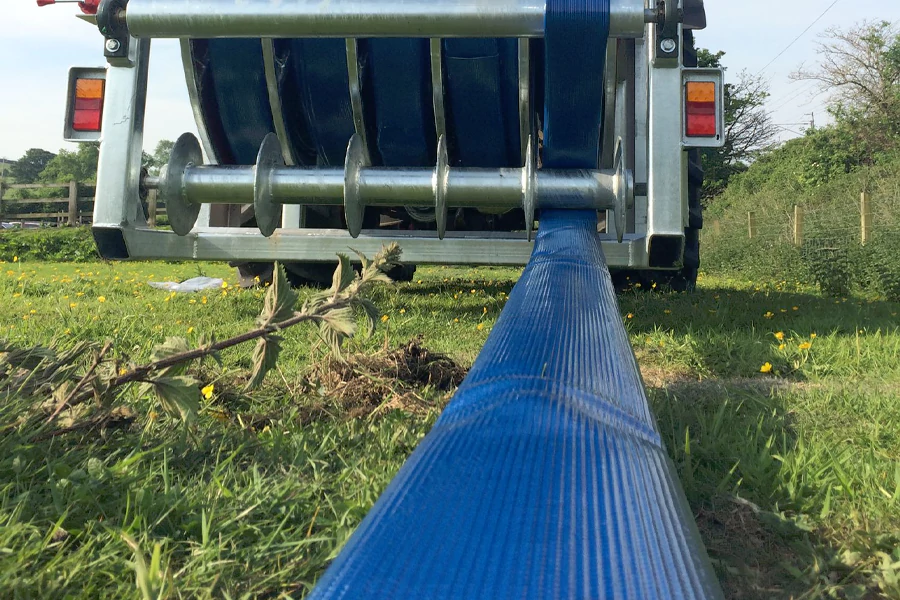
The Challenge: Rough terrain, constant dragging, and high UV exposure.
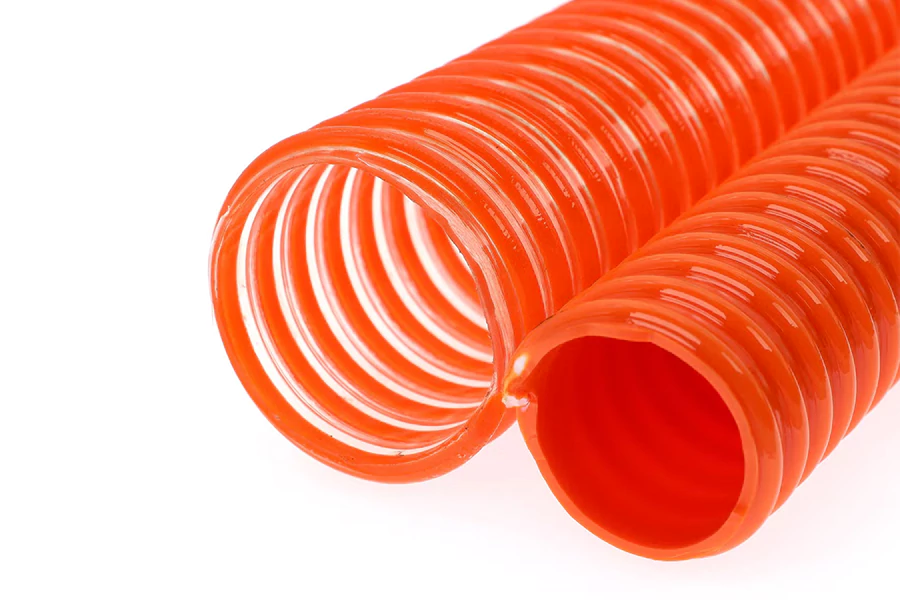
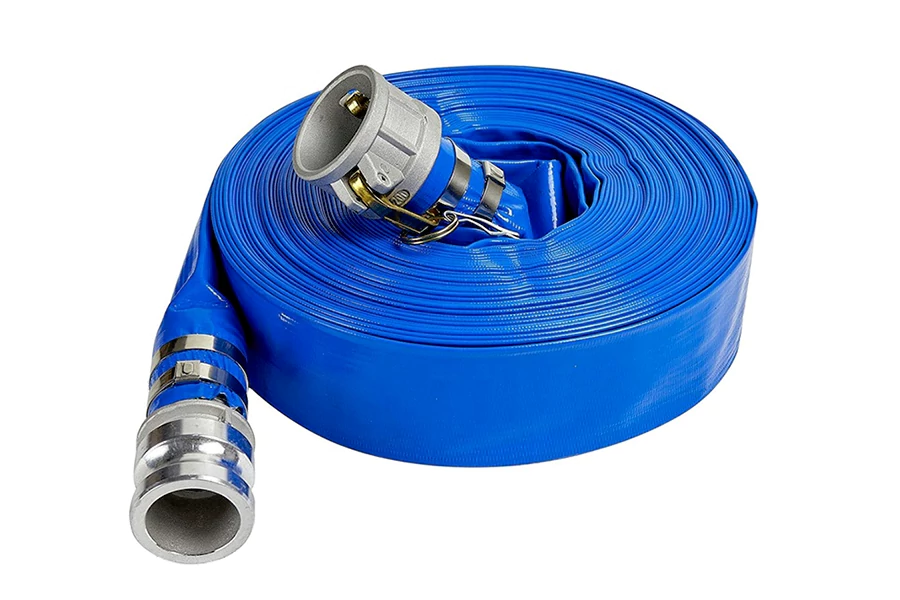
Our Solution: We recommend our PVC Layflat or Helix Suction Hoses featuring high-flexibility compounds. These are designed to resist abrasion from soil and rocks while remaining easy to deploy and store.
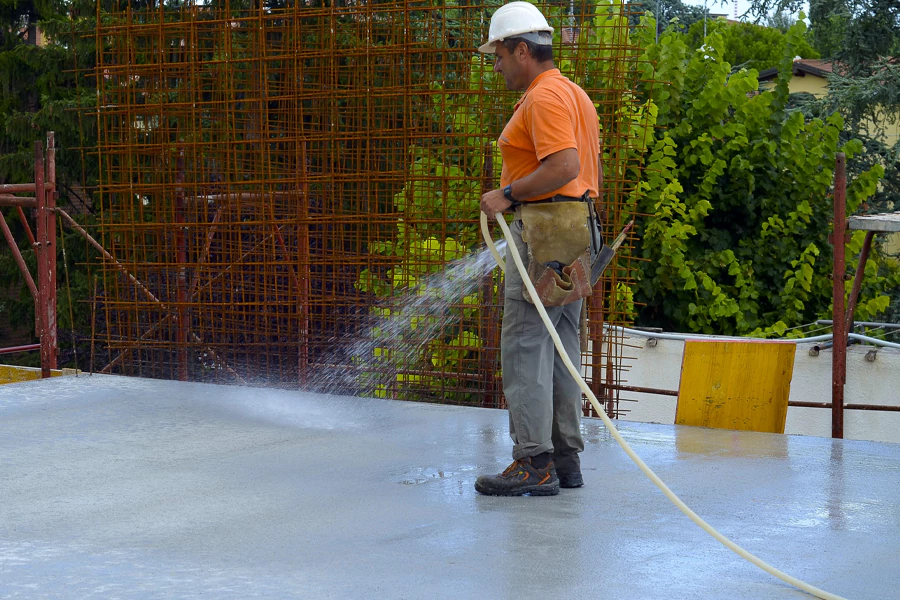
Construction & Dewatering
The Challenge: High pressure, vacuum collapse risks, and heavy-duty wear.
Our Solution: Our Steel Wire Reinforced PVC Hoses are engineered to prevent collapsing under full vacuum. The integrated steel coil provides a grounding path to dissipate static electricity during material transfer.
Food & Beverage Processing
The Challenge: Strict hygiene standards and chemical reactivity.
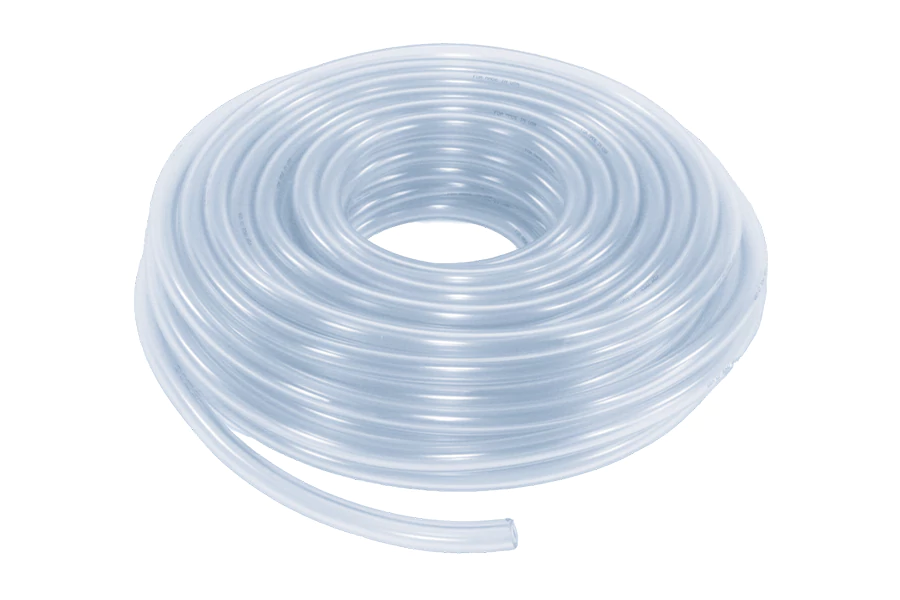
Our Solution: We offer Food-Grade Clear PVC Tubing that is 100% phthalate-free and FDA-compliant. The high transparency allows for easy visual monitoring of flow, ensuring no contamination during fluid transit.
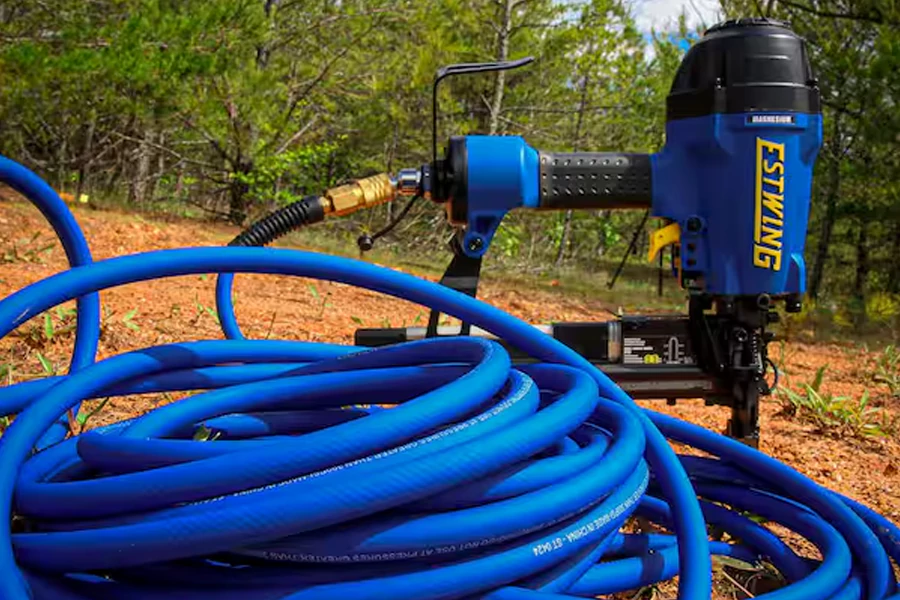
Pneumatic Systems & Air Tools
The Challenge: Surface abrasion and kinking during high-pressure tool operation.
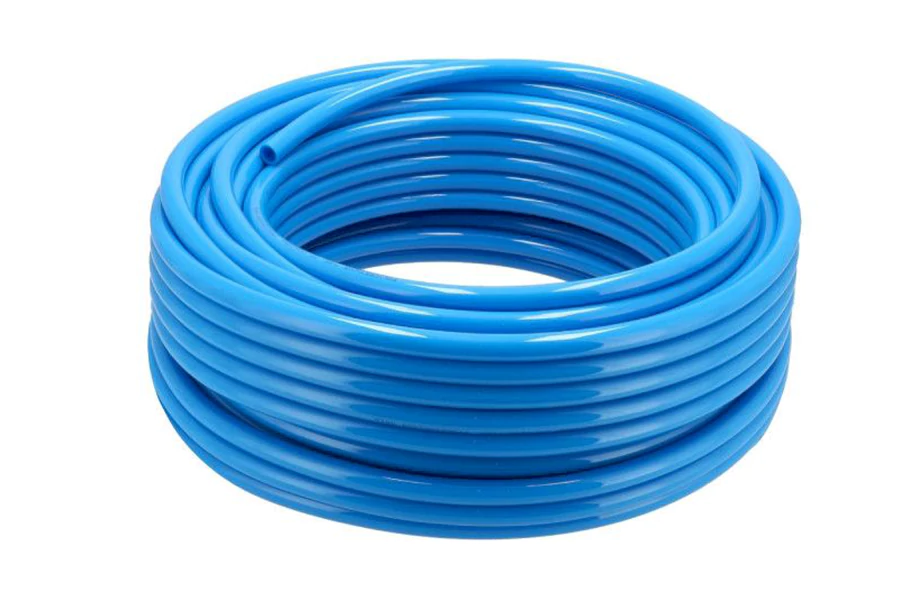
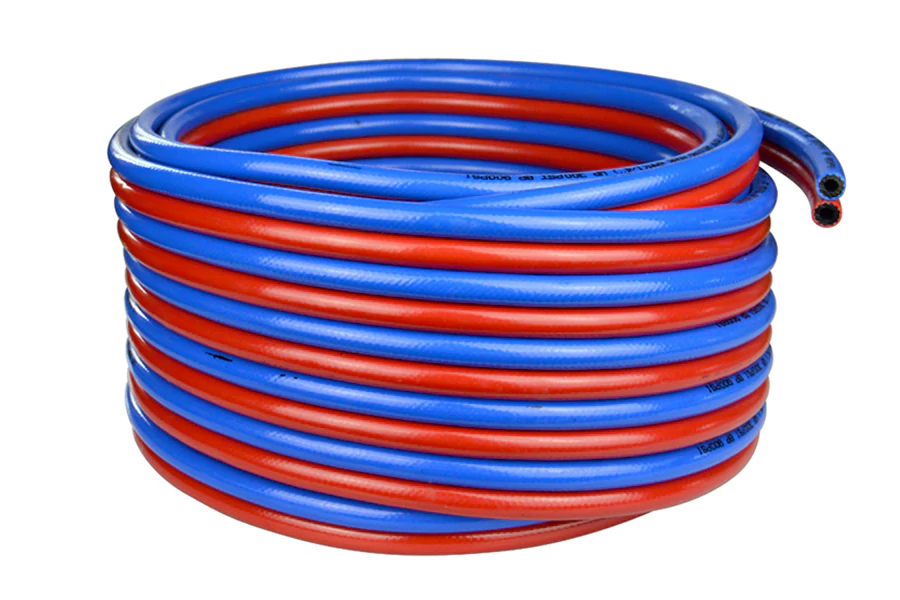
Our Solution: Rated for 450 PSI (30 Bar), our air hoses remain flexible down to -5°C. The kink-resistant design ensures stable, high-volume airflow for compressors and industrial pneumatic tools.
We move beyond generic “high quality” claims by providing measurable performance data:
Superior Tensile Strength
Reinforced with high-tenacity polyester yarn, our hoses offer a 30% increase in tensile resistance compared to standard market alternatives, preventing elongation under high-pressure cycles.
Extreme Durability Testing
Every batch undergoes rigorous mechanical stress tests. Our premium PVC suction hoses are rated to withstand over 50,000 bending cycles without surface cracking or structural fatigue.
Advanced UV & Weather Resistance
Incorporating specialized anti-UV additives, our hoses maintain structural integrity for 3,000+ hours of direct sunlight exposure, making them ideal for long-term outdoor use in tropical climates.
Optimized Flow Dynamics
The ultra-smooth inner wall reduces friction loss by 15%, ensuring maximum flow efficiency and preventing sediment buildup during chemical or water transfer.
Certified Manufacturing & Stringent Quality Control
At Kingdaflex, we believe that the foundation of a high-performance hose lies in the purity of its components and the precision of its manufacture. We don’t just supply hoses; we guarantee operational safety.
100% PVC Material
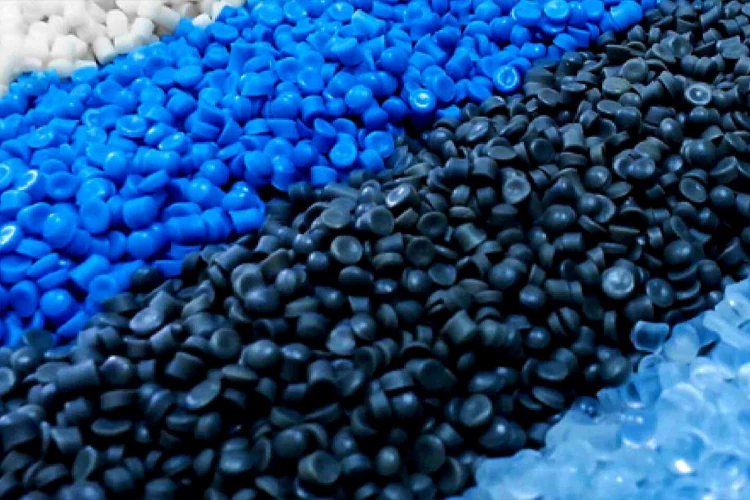
Unlike many manufacturers that use recycled materials to cut costs, we exclusively use 100% virgin PVC resin.
This ensures superior molecular stability, consistent wall thickness, and zero chemical leaching. This commitment to purity results in a hose that is more flexible, more durable, and resistant to premature aging.
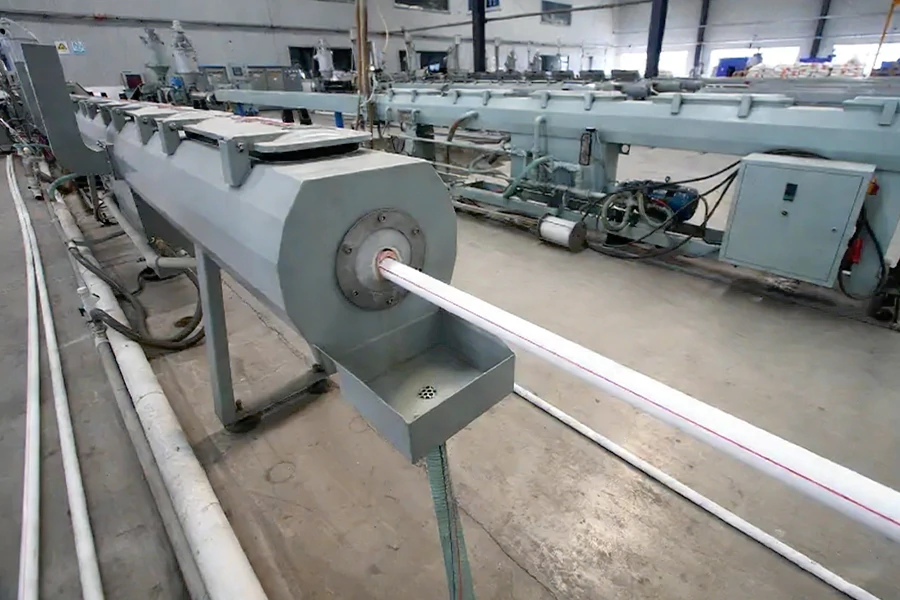
Our facility is equipped with high-speed, automated extrusion lines that maintain strict tolerance levels.
Every meter of hose is monitored for structural integrity, ensuring that the reinforcement layers—whether steel wire or polyester fiber—are perfectly centered to prevent weak spots under pressure.
How do I choose the right PVC hose diameter for my application?
Choosing the correct diameter is critical for maintaining system efficiency and equipment longevity.
You must consider both the Internal Diameter (ID) and the Outer Diameter (OD). The ID determines the flow capacity; if it is too small, friction loss increases, causing your pumps to work harder and potentially overheat. If too large, you lose necessary pressure for tasks like irrigation.
Always match the ID to your existing fittings to ensure a leak-proof seal. Our technical team can help you calculate the flow rate requirements based on your specific pump specifications and the length of the hose run.
What is the expected service life of a PVC steel wire reinforced hose?
The service life of a PVC steel wire hose depends on three primary factors: material quality, environmental exposure, and operating pressure.
A high-quality hose made from virgin PVC and galvanized steel wire, like those from Kingdaflex, typically lasts 3 to 5 years under standard industrial conditions. However, constant exposure to extreme UV rays or abrasive chemicals can accelerate degradation. To maximize longevity, we recommend avoiding “kinking” during storage and ensuring the operating pressure does not consistently exceed the rated working limit.
Regular inspections for surface wear or internal buildup are essential for safety.
Can PVC hoses be used in sub-zero or high-temperature environments?
Standard PVC is a thermoplastic, meaning its flexibility changes with temperature. Most industrial-grade PVC hoses are rated for a range of -5°C to +65°C. In cold weather, standard PVC can become stiff and prone to cracking if handled roughly.
For extreme climates, Kingdaflex offers specialized formulations with added plasticizers that remain flexible down to -20°C. Conversely, at high temperatures, the hose softens, which reduces its pressure-bearing capacity.
It is vital to consult our temperature-pressure de-rating charts if your application involves fluids or environments consistently above 40°C to ensure operational safety.
What are the main differences between fiber-reinforced and steel wire-reinforced PVC hoses?
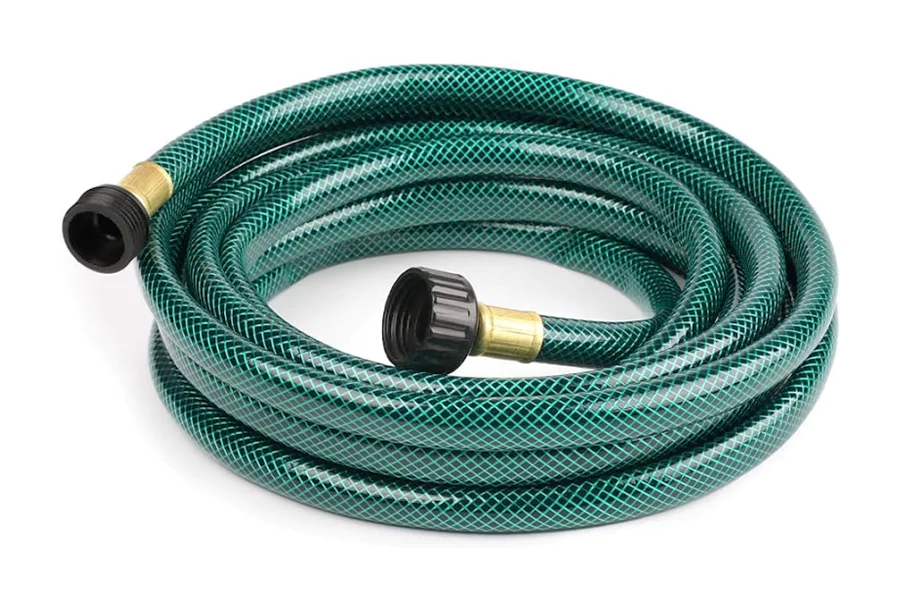
The choice between fiber and steel wire reinforcement depends on your pressure and vacuum requirements. Fiber-reinforced hoses (braided) are designed for positive pressure applications, such as air tools or water discharge; they are lightweight and highly flexible.
However, they can collapse under vacuum. Steel wire-reinforced hoses feature a rigid helical coil that prevents the hose from collapsing under suction (vacuum) and provides excellent crush resistance.
If your project involves suctioning water or solids, or requires a grounding path to dissipate static electricity, the steel wire reinforcement is the superior choice for structural integrity.
How should I store and maintain my PVC hoses to prevent premature failure?
Proper storage is the easiest way to extend the life of your investment. PVC hoses should be stored in a cool, dry, and shaded area when not in use. Prolonged exposure to direct sunlight (UV) can cause the PVC to become brittle over time.
Always drain the hose completely after use, especially if it was conveying chemicals or stagnant water. When coiling the hose, ensure the radius is larger than the minimum bend radius specified in our technical data sheet to prevent permanent deformation.
Periodically check for signs of reinforcement “migration” or external abrasions that could lead to a burst.