You can tell when your hydraulic hose needs to be replaced by checking for leaks, cracks, or damage. Finding problems early keeps you and your team safe while ensuring your construction equipment operates efficiently. It also saves money and helps your equipment work well. Look for fluid leaks, drops in pressure, or rust on parts. These problems can lead to dirty fluid and unsafe work conditions. Fix issues quickly to prevent expensive repairs or surprise breakdowns.
Fluid leaks can indicate cracks or poor installation, which can contaminate the fluid.
Pressure changes often occur due to internal damage, reducing the efficiency and safety of your construction equipment.
Rust on parts can lead to leaks and complications within the hydraulic system.
Key Signs of Hydraulic Hose Failure in Construction Equipment

Noticing early signs of hydraulic hose failure keeps you safe. It also helps you avoid losing time and money. Here are the main signs to check on your construction equipment.
Leaking Hydraulic Fluid
You can find leaking hydraulic fluid by looking for puddles or wet spots. Shiny or oily patches on the hose mean there is a leak. Sometimes, fluid pools under the equipment. You might see oil spray near hose connections. Leaks show your hydraulic hose needs fixing.
Leaking hydraulic fluid lowers hydraulic pressure. This makes your equipment respond poorly and lose power. Leaks make surfaces slippery and can cause accidents. If fluid gets into soil or water, it hurts the environment. Fix leaks fast to keep your worksite safe and your equipment working.
Kingdaflex hoses have oil-resistant inner tubes and strong layers. These features help stop leaks and make hoses last longer.
Cracks, Abrasions, or Cuts
Cracks, abrasions, or cuts on the hose mean damage. Cracks can happen from bending, hot or cold weather, or high pressure. Abrasions look like worn spots where the hose rubs against rough surfaces. Deep cuts show the inside layers and make the hose weaker.
These signs are important because cracks or abrasions can cause sudden fluid loss. This lowers hydraulic pressure and stops your equipment. Repairs can be expensive. A damaged outer layer makes the hose more likely to burst.
Kingdaflex hoses use strong steel wire or textile cords. They also have covers that resist abrasion. This helps prevent too much wear where hoses touch other parts.
Bulges or Blisters
Bulges or blisters look like swollen spots on the hose. These signs mean the inside tube cannot hold pressure anymore. Bulges or blisters form when fluid leaks through tiny holes. This creates pressurized pockets between hose layers.
Cause | Description |
|---|---|
Fluid Permeation | Fluid goes through the hose wall and forms blisters. |
Excessive Heat | High heat makes hoses age faster and causes vapor pockets. |
Chemical Exposure | Chemicals weaken hose material and cause blisters. |
Internal Pressure | Pressure spikes or gas inside the hose create bulges. |
Improper Installation | Bending or rubbing damages the hose and causes blisters. |
A blister means the hose could break soon. Replace the hose right away to avoid danger.
Kingdaflex hoses resist pressure and chemicals. This helps you avoid these problems.
Hose Stiffness or Brittleness
If a hose feels stiff, brittle, or hard, it is getting old. You may see cracks, color changes, or swelling. Stiff hoses are more likely to crack and leak.
Stiff hoses cannot handle pressure well. This can cause equipment problems or unexpected stops. Check hoses often to find these signs before they fail. Run your hand along the hose to feel for hard spots or less flexibility.
Kingdaflex hoses stay flexible and strong even after long use. This helps prevent early hose replacement.
Worn or Corroded Fittings
Worn or corroded fittings show up as cracks, rust, dents, or pitting. Color changes or blisters from chemicals can also appear. These signs weaken the connection between hose and equipment.
Evidence Type | Description |
|---|---|
Corrosion Impact | Corroded fittings are weaker and can fail easily. |
Maintenance Advice | Fix rust or pitting as soon as you see it. |
If you see these signs, check the fitting and hose assembly. Replace damaged fittings with parts that match the hose. Kingdaflex hoses and fittings resist corrosion and keep connections strong.
Flattened or Kinked Hoses
Flattened or kinked hoses are easy to see. Look for squashed or sharply bent sections. These signs block fluid flow and lower hydraulic pressure. Kinking or flattening happens when the hose bends too tightly or is routed wrong.
Risk Type | Explanation |
|---|---|
Accelerated Internal Wear | Fluid erosion makes particles and damages the hose. |
Fatigue Failure | Pressure surges cause cracks and wire breaks at the kink. |
Sudden Catastrophic Failure | Weak hoses can burst and release fluid fast. |
Equipment Downtime | Hose failure stops work and delays projects. |
Environmental Contamination | Oil spills need cleanup and may break rules. |
Fire Hazard | Fluid can spray onto hot parts and cause fires. |
Personnel Safety Hazard | Flying pieces and slippery fluids can hurt workers. |
Increased Maintenance Costs | Failures mean more repairs and higher costs. |
You can stop hose kinking or flattening by picking hoses with the right thickness and flexibility. Kingdaflex hoses are strong and flexible. This lowers the risk of kinking or flattening and helps you replace hoses on time.
By checking for these signs—leaks, cracks, bulges, stiffness, worn fittings, and kinks—you keep your equipment safe and reliable. Inspect hoses often and use quality hoses like Kingdaflex. This helps you avoid leaks, downtime, and expensive repairs. If you see any signs or your hose is old, replace or repair it right away.
Risks of Ignoring Replacement Signs
If you ignore warning signs, you put people and equipment in danger. Replacing hoses on time is not just about keeping things working. It is also about safety, saving money, and finishing on time. Good hoses like Kingdaflex help you avoid problems and keep your machines working well.
Safety Hazards for Operators
Waiting too long to fix a hose can be dangerous. Here is a table that lists some common safety risks:
Safety Hazard | Description |
|---|---|
Fluid Injection Injuries | Pressurized hydraulic fluid can break through the skin and cause severe damage. |
Burns from Hot Fluids | Hot fluid can burn your skin, and some fluids can cause chemical burns. |
Slip Hazards | Leaking fluid makes surfaces slippery, which can lead to falls and injuries. |
High-pressure fluid can go into your skin and cause bad wounds or even loss of a finger.
If pressure drops fast, equipment can move in strange ways and hurt you.
Kingdaflex hoses are made to handle high pressure and stop leaks. This helps keep you safe at work.
Equipment Downtime and Repair Costs
Not taking care of hoses can make your equipment stop working. When a hose breaks, machines cannot run. You still have to pay workers and for equipment, even if nothing is getting done. Sometimes you need to rent other machines. Labor costs can be very high, sometimes hundreds of dollars each hour. Delays mean you lose time to get work done.
Kingdaflex hoses are strong and last longer. This means you do not have to fix them as often. You save money because your machines work more and break less.
Impact on Project Timelines
Missing deadlines can cost a lot of money. Some contracts charge thousands of dollars for each day you are late.
If a hose fails, work stops and your project is delayed.
Fixing hoses can take a long time, making other jobs wait.
One broken hose can stop many machines, making things worse.
Fixing a hose takes time. You have to take out the old hose, wait for a new one, and then start the machine again. Kingdaflex hoses help you avoid these problems because they last longer and work well.
If you act fast and use good hoses, you keep your team safe, save money, and finish your project on time.
When to Replace a Hydraulic Hose
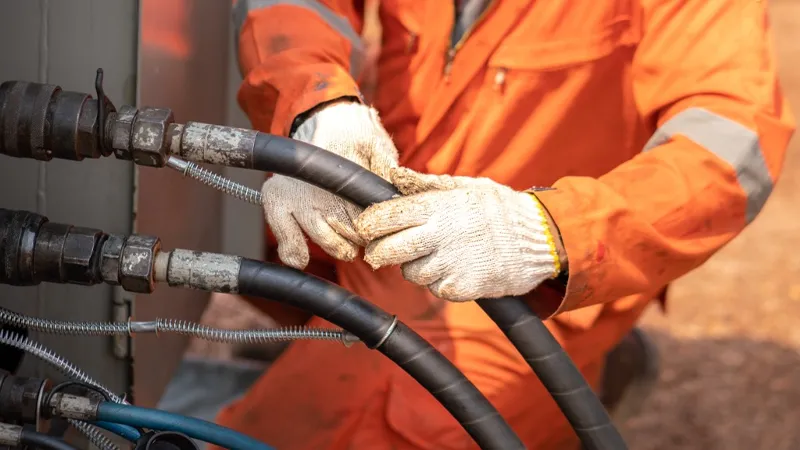
It is important to know when to change a hydraulic hose. This keeps your construction equipment safe and working well. You can use service life rules, look for big damage, and check for problems inside the hose to decide when to replace it.
Service Life and Manufacturer Guidelines
You should follow the service life times for your equipment. These times help you plan and stop sudden breakdowns. Here is a table that shows how often to change hoses in different machines:
Equipment Type | Recommended Service Life Interval |
|---|---|
Construction Equipment | 12–18 months |
Agriculture Machinery | 1–2 years |
Mining and Heavy Industry | Every 12 months |
Hydraulic Presses and Industrial Systems | 2–3 years with controlled environments |
Industry standards like SAE and DIN set rules for hose performance. SAE is used in North America. DIN is used more in Europe. These standards help you know when to change hoses. Kingdaflex hoses meet both SAE and DIN standards. You can trust their quality and timing.
You should check your maintenance records too. Write down every inspection and repair. This helps you see patterns and know when a hose is getting old.
Severe Damage or Leaks
You need to change a hose right away if you see these problems:
Fluid leaking or dripping from the hose.
Cracks or worn spots that show the inside layers.
Bulges or kinks that block fluid flow.
Strange noises or vibrations from the hydraulic system.
Hoses that feel stiff or brittle.
If you notice any of these, do not wait. A damaged hose can break without warning.
Signs of Internal Failure
Some problems happen inside the hose where you cannot see them. You can use these ways to find hidden issues:
Method | Description |
|---|---|
Visual Inspection | Look for cracks, leaks, or bulges on the outside. |
Pressure Testing | Check if the hose holds pressure without leaking. |
Thermal Imaging | Use a camera to spot hot spots that show damage inside. |
Contamination Checks | Test the fluid for dirt or rubber pieces. |
Vibration Analysis | Watch for odd shaking that means something is wrong inside. |
Regular checks help you find problems early. This keeps your equipment safe and working well. If you find any sign of internal failure, change the hose before it causes bigger problems.
Tip: Always use hoses that meet high standards, like Kingdaflex, to lower the risk of failure and keep your work on track.
Proactive Maintenance for Construction Equipment Hoses
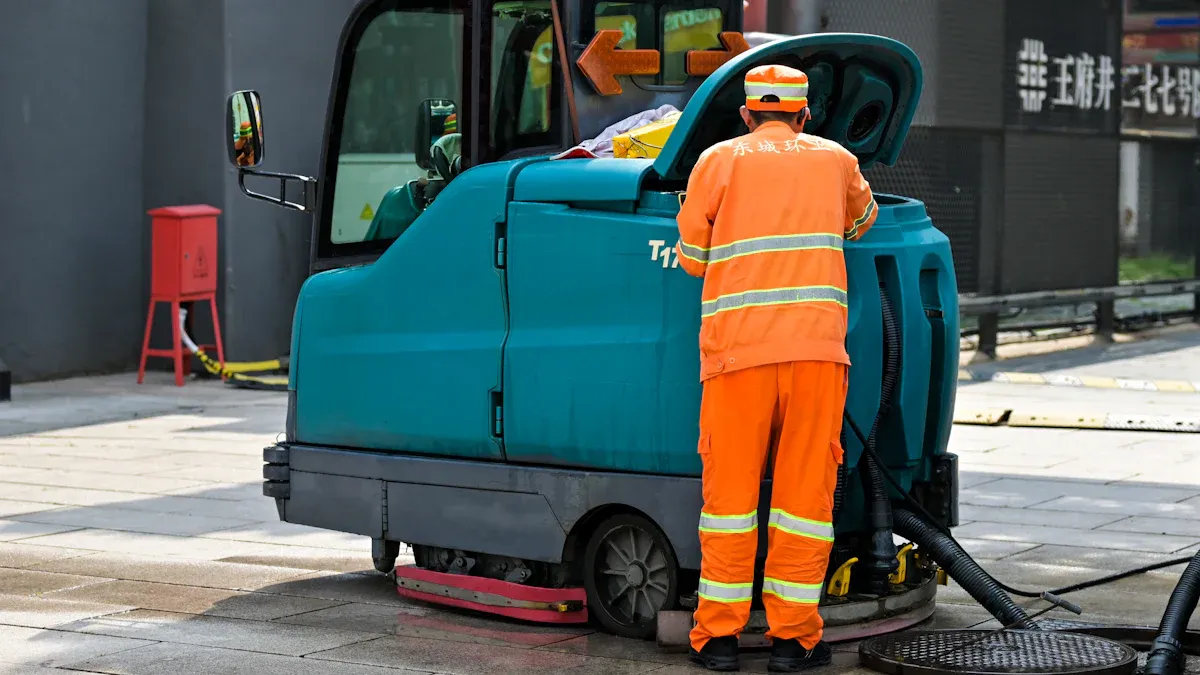
Regular Visual Inspections
You can make your hydraulic hose last longer by checking it often. Looking at the hose helps you find problems before they get worse. Watch for these signs:
Cracks or abrasions mean the hose is getting worn out from heat, chemicals, or rough things.
If you see fluid leaking, the hose or fittings are broken.
Bent or squashed hoses can make pressure drop.
Stiff or brittle hoses can snap easily.
Hoses that are too old might break, even if they look okay.
Add these checks to your regular maintenance plan. Finding problems early keeps your equipment safe and working. It also means you will not lose time fixing things later.
Staff Training on Warning Signs
Your team should learn how to spot warning signs. Training helps everyone stay safe and keeps machines running. Good training means:
Doing regular checks to stop problems before they start.
Looking every day for leaks, damage, and checking fluid levels.
Learning about dangers so workers know what to look for and how to wear safety gear.
Getting more training often to remember safety rules.
When your team knows what to check, you have less chance of hose failure.
Using Quality Hoses Like Kingdaflex
Picking good hoses helps your machines work better and saves money. Kingdaflex hoses last longer and leak less. Most hoses last about 800 hours, but Kingdaflex hoses can last over 2,500 hours. Leaks go down by 75%. Machines work 15% more, so you get more done.
Feature | Benefit |
|---|---|
Regular Inspection | You find problems early and stop failures. |
Protective Measures | Hoses are safe from damage and tough places. |
Proper Pressure and Temperature | Hoses do not get too stressed and stay safe. |
Clean Fluids and Systems | Less wear inside and hoses last longer. |
Proper Installation | Hoses do not kink and fluid moves well. |
High-Quality Hydraulic Hose | Hoses are strong, do not leak, and save money. |
You can also use Kingdaflex’s custom options for special needs. Taking care of your hoses helps your equipment stay safe and work well.
You can tell if your hydraulic hose needs to be changed by looking for leaks, cracks, bulges, stiffness, worn fittings, or kinks. If you fix problems quickly, you can stay safe and save money. Check this table to see what is important:
Key Factors | Description |
|---|---|
Proper Hose Selection | Stops equipment from breaking and delays |
Pressure Resistance | Keeps your system safe when pressure is high |
Abrasion Resistance | Helps hoses last longer in rough places |
Pick Kingdaflex hoses for good quality. Check your equipment often and ask Kingdaflex for help if you need it.