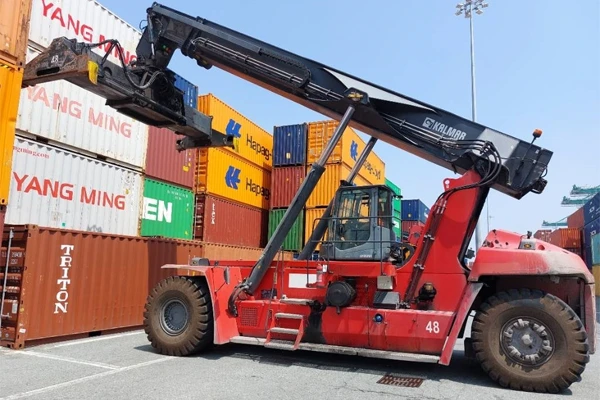
Efficiency for Moving Parts SAE 100R7 hoses are indispensable for material handling equipment like forklifts, aerial lifts, and telehandlers.
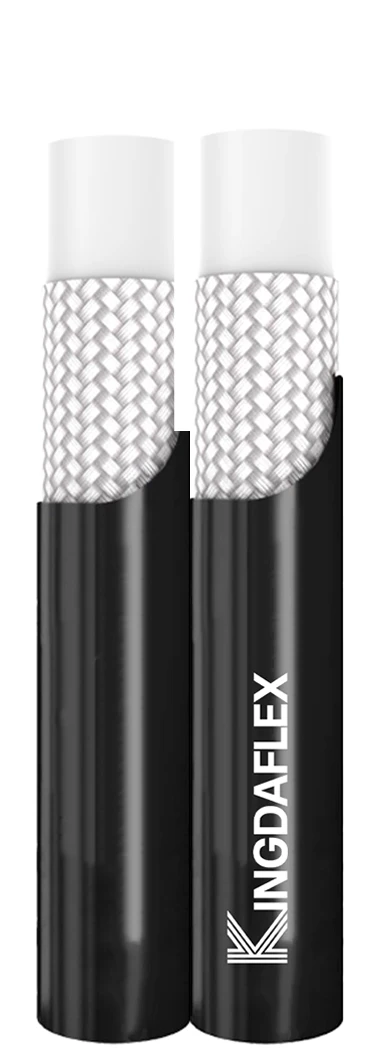
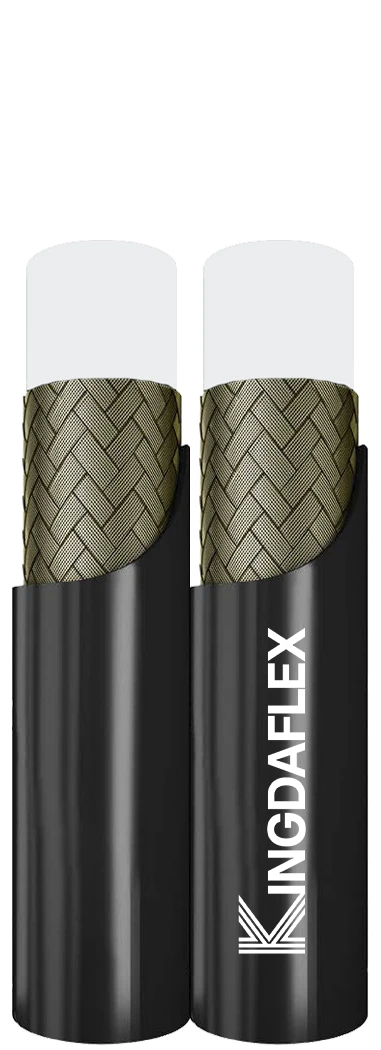
The Twin Hose version is specifically engineered for mast systems, providing synchronized hydraulic power and preventing line entanglement during high-reach extension and retraction operations.
Industrial Hydraulics Equipment
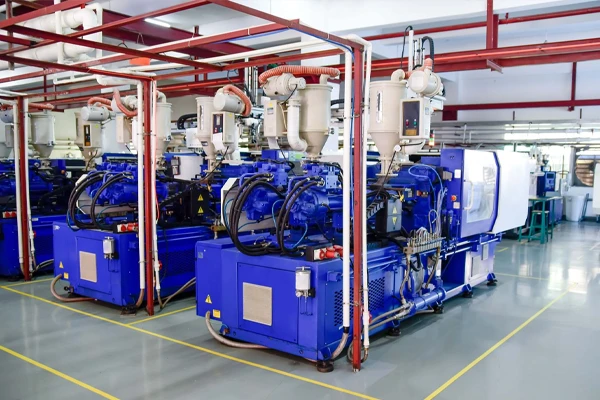
Versatility for Modern Manufacturing For industrial manufacturing, SAE 100R7 serves as a reliable medium-pressure line for automated systems and robotic arms.
Its thermoplastic core offers superior chemical resistance to synthetic lubricants and petroleum-based fluids, maintaining peak performance in demanding, continuous-duty factory environments.
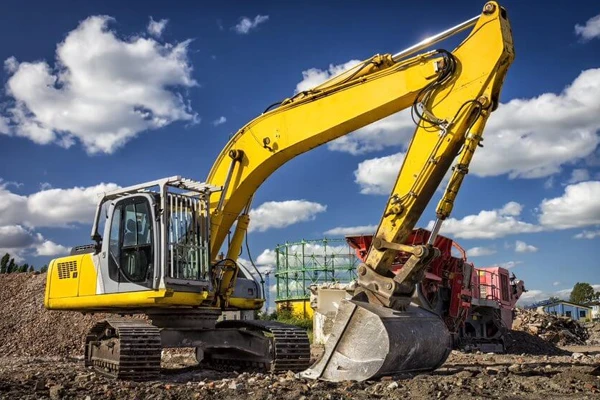
Construction Machinery
Durability in Compact Spaces Construction machinery utilizes SAE 100R7 for hydraulic steering and centralized lubrication systems. Its compact bend radius allows for easy routing in tight engine compartments, while the high-tensile reinforcement ensures long-term durability against the constant vibration and temperature fluctuations of jobsites.
Power Company Construction Equipment
Safety in High-Voltage Environments In the electric utility sector, the non-conductive SAE 100R7 hose (identifiable by its orange cover) is critical.
It provides essential electrical insulation for boom trucks and hydraulic tools operated near power lines, ensuring operator safety by preventing hazardous electrical leakage.
Selecting the right hydraulic hose is critical for system longevity. Our SAE 100R7 series outperforms standard rubber hoses through superior thermoplastic engineering and precision manufacturing.
Material Excellence
Advanced Thermoplastic Core Features seamless oil-resistant TPU/PA inner tubes and UV-resistant covers, ensuring maximum flow efficiency and long-term outdoor durability.
Precision Reinforcement
Engineered for Pressure High-density synthetic fiber or high-tensile steel wire options provide lightweight flexibility or superior structural integrity for high-impulse applications.
Compact Bend Radius
30% More Flexible Offers a 30% tighter bend radius than standard rubber hoses, enabling easier routing in compact machinery while preventing kinking.
Chemical Stability
Multi-Fluid Compatibility Fully compatible with petroleum-based fluids, water-glycol, and synthetic esters, ensuring zero material degradation across diverse industrial environments.
Quality You Can Trust
At the core of our manufacturing philosophy is an uncompromising commitment to safety and performance. Our SAE 100R7 hydraulic hoses are engineered to not only meet but exceed international industry standards, providing you with peace of mind in every application.
Global Certifications
ISO 9001:2015: Demonstrates our commitment to maintaining a world-class, consistent quality management system across every stage of our production.
MSHA: Features flame-resistant covers specifically designed to meet the most stringent safety requirements for underground mining and hazardous environments.
CE: Meets all essential European health, safety, and environmental protection standards, ensuring reliable performance and legal compliance in international markets.
Rigorous Testing Procedures
Impulse Test: Hoses endure over 200,000 high-pressure cycles to simulate long-term service and ensure exceptional hydraulic fatigue resistance in the field.
Cold Flexibility Test: Tested at -40°C (-40°F) to guarantee crack-free performance and reliable flexibility, even when operating in the harshest arctic environments.
Destructive Burst Test: Verified with a strict 4:1 safety factor to protect both equipment and operators against sudden, high-pressure hydraulic surges.
FAQs of SAE R7 Hose
What is the main difference between SAE 100R7 and SAE 100R8 hoses?
The primary difference lies in their working pressure ratings and reinforcement density. While both are thermoplastic hoses governed by the SAE J517 standard, SAE 100R8 is designed for high-pressure applications, whereas SAE 100R7 is optimized for medium-pressure systems.
For instance, a 1/4″ SAE 100R7 hose typically handles up to 3,000 PSI, while an R8 hose of the same size can manage 5,000 PSI. This is achieved through extra layers of reinforcement in the R8. Choosing between them depends on your system’s maximum peak pressure; R7 offers better flexibility and cost-efficiency for medium-duty tasks, while R8 provides the necessary safety margin for high-intensity hydraulic cycles.
When should I specifically choose a Non-Conductive SAE 100R7 hose?
You should opt for the non-conductive version whenever the hydraulic system operates near high-voltage electrical sources. These hoses are easily identifiable by their bright orange cover, which signifies that they meet the electrical conductivity requirements of the ANSI A92.2 standard.
They are engineered to have a leakage current of less than 50 microamperes when subjected to high voltage (typically 75kV per foot). Common applications include utility bucket trucks, aerial platforms for power line maintenance, and hydraulic tools used by electrical contractors. Using a standard conductive hose in these environments poses a fatal risk of electric shock to the operator if the hose contacts a live wire.
Can SAE 100R7 hoses be used for conveying gases like Nitrogen or CO2?
SAE 100R7 hoses are primarily designed for hydraulic fluid applications.
Although they may technically convey gas at very low pressure, they are not recommended for compressed air or gas systems due to safety and permeability concerns.
For gas applications, we suggest using hoses specifically designed and certified for air or gas service.
How do I choose between Synthetic Fiber and Steel Wire reinforcement?
The choice depends on the balance between flexibility, weight, and environmental conditions. The synthetic fiber-reinforced SAE 100R7 is the industry standard for general hydraulics; it is extremely lightweight, highly flexible, and ideal for applications with constant motion, such as forklift masts.
In contrast, the high-tensile steel wire R7 Hose offers superior structural integrity and better resistance to external crushing or high-impulse pressures.
However, steel reinforcement makes the hose heavier and more susceptible to internal corrosion if moisture penetrates the cover.
If your priority is ease of routing and weight reduction, choose fiber; if the hose faces harsh mechanical abuse, steel is the better option.
Why is the Twin Hose (Double Line) configuration used for SAE 100R7?
The Twin Hose configuration is designed to solve the problem of managing two separate hydraulic lines in synchronized systems. By bonding two hoses together during the manufacturing process, we eliminate the risk of the hoses tangling or rubbing against each other, which reduces mechanical wear.
This is particularly vital in forklift lift mechanisms and hydraulic cranes, where the hoses must travel over pulleys or through narrow tracks. A Twin Hose setup ensures both lines move at the same speed and remain perfectly aligned.
It also simplifies installation and creates a cleaner, more professional appearance for the machine’s hydraulic routing compared to using loose individual hoses.