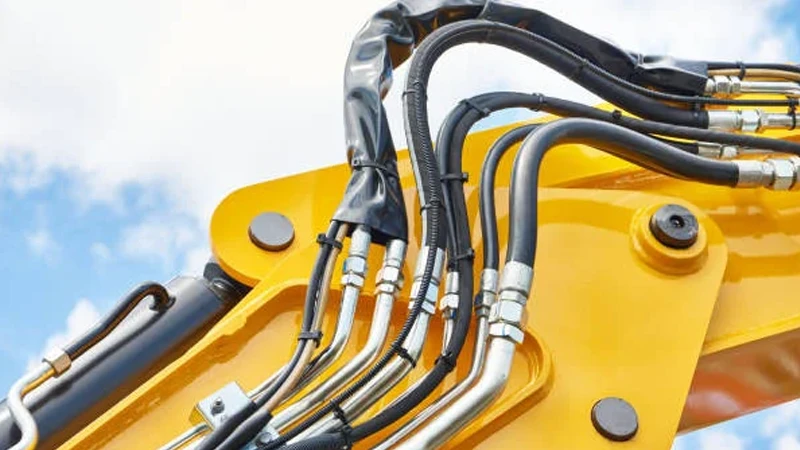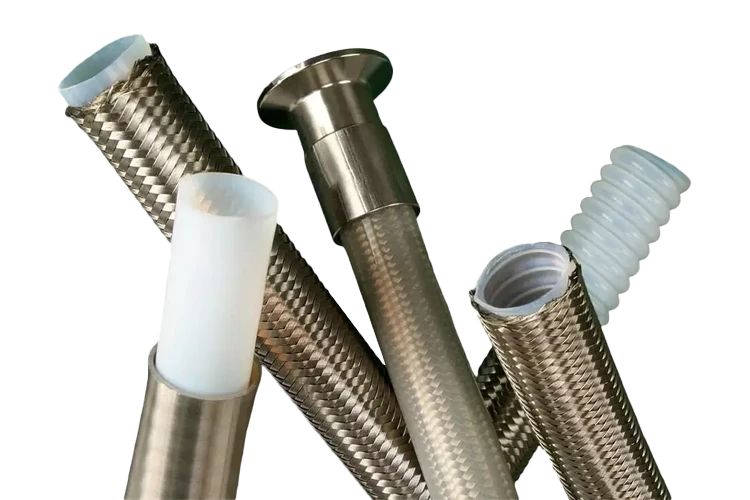
Selecting the right hydraulic hose for excavators is far more complex than choosing a single product line. Each circuit within an excavator’s hydraulic system operates under different pressure ranges, movement patterns, and durability demands. The boom, arm, and bucket circuits create distinct engineering challenges that require tailored hose specifications. Understanding these differences is essential for equipment operators, maintenance technicians, and equipment manufacturers who want to maximize uptime while minimizing catastrophic failures in the field.
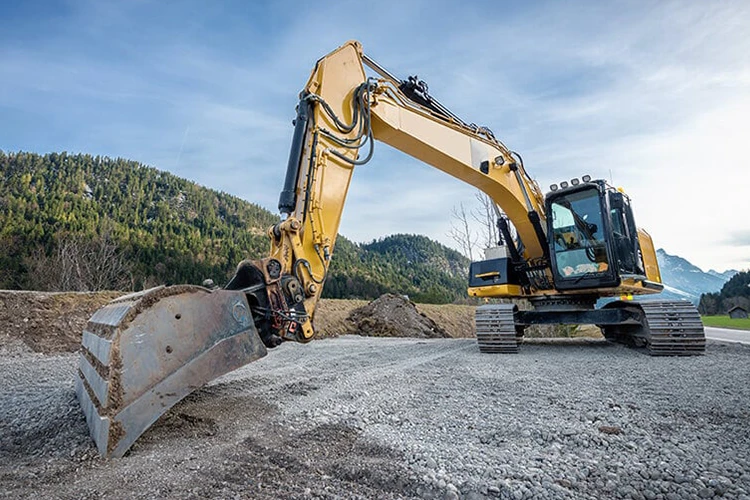
The Three Hydraulic Circuits: Understanding Excavator Architecture
Modern excavators rely on three primary hydraulic circuits, each powering different attachment movements. The boom circuit lifts the primary arm structure. The arm circuit extends and retracts the dipper arm with precision. The bucket circuit operates the bucket and rotates, curls, or digs depending on the bucket configuration. While all three circuits operate within the same hydraulic system, they face dramatically different operational stresses.
The pressure requirements vary significantly across these circuits. The boom circuit typically operates at lower pressures because it’s simply lifting weight against gravity, though the forces involved are substantial. The arm circuit experiences moderate pressures with frequent directional changes. The bucket circuit encounters the highest pressures due to the concentrated digging forces and the leverage multiplier effect of reaching outward with the bucket.
Boom Circuit: Managing High Flow and Heavy Loads
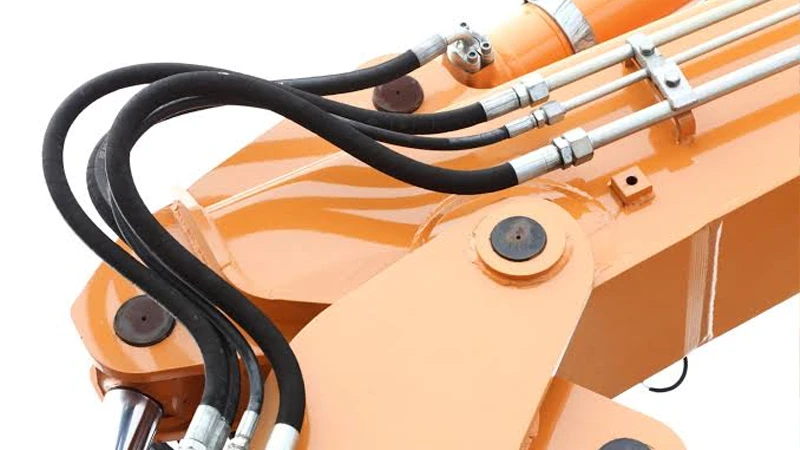
The boom circuit is responsible for the vertical lifting action of an excavator. This circuit demands hoses that can handle sustained high flow rates while maintaining structural integrity under constant load. Unlike the arm and bucket circuits, which operate intermittently during specific digging tasks, the boom circuit works continuously throughout the excavation cycle.
The primary challenge in boom circuit design is managing the sheer volume of hydraulic fluid flowing through the system. A large excavator’s boom can require over 100 gallons of fluid per minute during normal operation. The hoses must accommodate this flow without creating excessive backpressure, which would reduce efficiency and generate heat buildup.
Pressure ratings for boom circuits typically range between 2,800 and 3,500 PSI, depending on the excavator’s size and class. However, the real specification challenge involves hose wall thickness and internal diameter. The combination directly affects flow efficiency and pressure drop across the line.
We recommend our SAE 100R2AT hose for most boom circuit applications, particularly in mid-size and heavy excavators. The spiral-wrap construction provides the flexibility needed for routed installations while maintaining pressure integrity. The hose’s construction also resists crimping and kinking, which is critical since boom lines often follow tight routing paths near the equipment frame.
Arm Circuit: Precision, Responsiveness, and Moderate Pressure
The arm circuit controls the dipper arm’s extension and retraction, which defines the excavator’s reach and precision. This circuit experiences moderate pressures, typically ranging from 2,500 to 3,200 PSI, but the real operational demand comes from the frequency of directional changes. An excavator operator may move the arm in and out dozens of times per minute during active digging.
This constant flexing places wear stress on hose materials at connection points and bend radii. The hose must resist fatigue failure from repeated pressure cycling and movement. Additionally, the arm circuit requires excellent responsiveness to operator input. Any lag or compression delay in the hydraulic system reduces operator control precision.
The arm circuit also faces exposure to contamination from soil dust, moisture, and debris stirred up during excavation. Hoses in this circuit should include protective sleeves or covers where they pass through exposed work areas. Our 100R6 hose with six-spiral construction excels in these conditions because the additional reinforcement layers provide superior fatigue resistance compared to two-wire configurations. The denser construction also better resists puncture and abrasion from contact with sharp rocks and equipment edges.
Bucket Circuit: Maximum Pressure and Digging Force
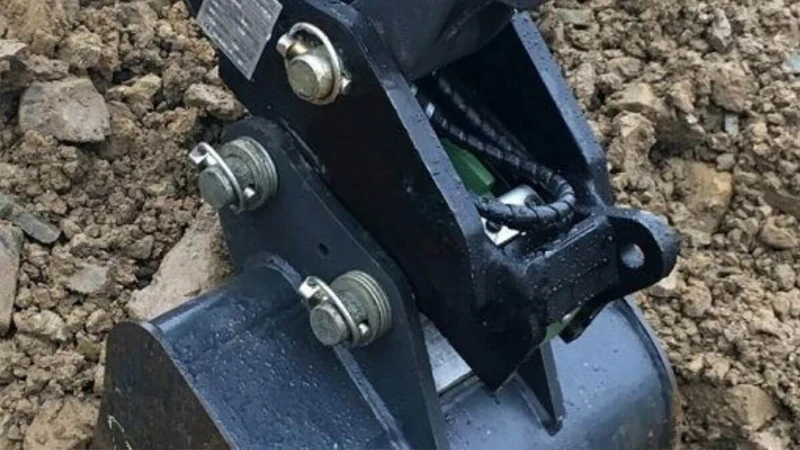
The bucket circuit must manage the highest pressures in the excavator system, often reaching 4,000 to 5,000 PSI or more in heavy-duty applications. This circuit combines two distinct functions: rotating the bucket (which requires moderate pressure) and curling the bucket or digging into hard ground (which creates peak pressure spikes).
When bucket teeth encounter rocky soil or compacted clay, pressure can spike dramatically. These transient pressure events demand hoses engineered with safety margins well above normal operating ranges. A hose rated for exactly the calculated maximum pressure will fail prematurely when these spikes occur.
Additionally, bucket circuits experience severe vibration transmission. The bucket constantly jars against the material being excavated. This vibration travels back through the hydraulic fluid and creates oscillating pressure waves in the hoses. Over months of operation, this vibration stress degrades hose materials faster than steady-state pressure alone.
For bucket circuit applications, we strongly recommend our high-pressure hydraulic hose line, which includes reinforced designs rated for 5,000 PSI and above. These hoses feature multiple spiral reinforcement layers and robust elastomer compounds specifically formulated to resist the chemical breakdown that occurs under extreme pressure and heat conditions. The hose also incorporates vibration-damping internal geometry that reduces pressure oscillation peaks.
Comparative Analysis: Hose Specifications by Circuit
| Specification | Boom Circuit | Arm Circuit | Bucket Circuit |
|---|---|---|---|
| Typical Operating Pressure | 2,800–3,500 PSI | 2,500–3,200 PSI | 4,000–5,000+ PSI |
| Flow Rate Requirement | Very High (80–120 GPM) | Moderate (40–80 GPM) | Moderate (30–60 GPM) |
| Primary Stress Type | Sustained High Load | Cyclic Pressure Changes | Peak Pressure Spikes |
| Recommended Hose Type | SAE 100R2AT | SAE 100R6 | High-Pressure Reinforced |
| Wall Thickness Priority | Moderate | Moderate | Maximum |
| Fatigue Resistance Need | Low–Moderate | Very High | High |
| Abrasion Protection | Moderate | High | High |
Critical Selection Factors Beyond Pressure Rating
Choosing the right hose for each circuit extends beyond pressure specifications. Operating temperature significantly affects hose lifespan. Hydraulic systems in tropical climates or during summer operation can reach 70–80°C (158–176°F). At these temperatures, many standard elastomer compounds degrade rapidly. We recommend specifying hoses with synthetic rubber compounds that maintain properties across wider temperature ranges.
Hose length and routing also influence performance. Longer hoses experience greater pressure drops, which reduces efficiency and increases heat generation. During initial system design, engineers should minimize hose routing distances while maintaining necessary bends and flexibility. When retrofitting equipment or replacing damaged lines, resist the temptation to add extra length “just in case”—every foot of additional hose compounds the pressure drop problem.
Finally, fluid compatibility cannot be overlooked. Most hydraulic systems use ISO 46 mineral oil, but some equipment operates with biodegradable fluids, fire-resistant synthetics, or water-glycol blends. Each fluid type places different demands on hose elastomer compatibility. Always verify that replacement hoses are certified for the exact fluid type used in your equipment.
Maintenance: Extending Circuit Hose Life
The most overlooked aspect of hydraulic hose management is preventive maintenance. Hoses don’t simply fail catastrophically—they display warning signs before complete rupture. Regular inspections can identify swelling (indicating fluid incompatibility), surface cracks (showing material degradation), or leaking connections (pointing to fitting wear).
Establish a routine inspection schedule for all three circuits. Pay special attention to areas where hoses bend sharply, where they contact frame edges, or where they pass through moving parts. These contact points are where failures typically initiate.
Maintaining clean hydraulic fluid is equally critical. Contaminated fluid accelerates internal hose wear and increases system pressure spikes. Regularly change hydraulic filters and monitor system cleanliness through periodic fluid analysis. This simple practice extends hose life by 30–50% in many excavation operations.
Conclusion: Right-Sizing Hydraulic Systems for Reliability
Excavator hydraulic systems are engineering marvels, but they demand respect and proper component selection. The boom, arm, and bucket circuits each have distinct requirements that cannot be satisfied by a one-size-fits-all hose solution. Understanding these differences—pressure ranges, flow rates, stress patterns, and environmental factors—enables you to specify components that deliver both reliability and cost efficiency.
At Kingdaflex, we’ve engineered hydraulic hose solutions for thousands of excavators operating in every environment from Arctic regions to tropical rainforests. Our complete range of hydraulic hose products addresses the specific demands of each circuit. Whether you’re designing a new fleet of equipment or maintaining existing machines in the field, selecting the right hose for each circuit is an investment in uptime, safety, and operating cost management.
The next time your equipment is in for maintenance, take a moment to examine the hoses in each circuit. You’ll likely see visible differences in construction and diameter. That variation isn’t random—it reflects engineering decisions made to optimize performance for each circuit’s unique demands.