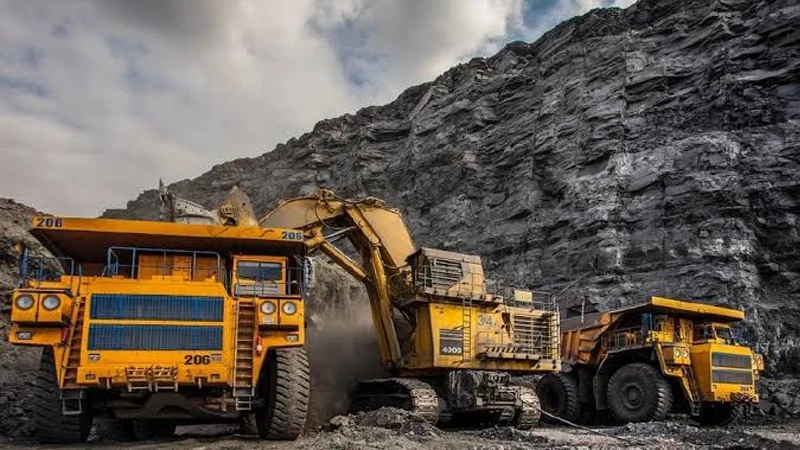
Mining dump trucks and heavy haul equipment operate in some of the world’s harshest environments. These vehicles must function reliably in extreme temperatures, dusty conditions, and terrain that would disable ordinary equipment. The hydraulic systems powering these machines are engineering marvels, yet they’re frequently overlooked components in maintenance planning. Understanding how hydraulic hoses function across the various systems in mining trucks is essential for operators, fleet managers, and equipment manufacturers committed to maximizing equipment uptime and minimizing catastrophic failures.
A modern mining dump truck relies on hydraulic systems for far more than just tilting the cargo bed. Hydraulic circuits power steering mechanisms, braking systems, transmission controls, cabin suspension, and multiple auxiliary functions. Each of these systems places different demands on the hoses delivering pressurized fluid. Selecting and maintaining the correct hose type for each application directly impacts both safety and operational cost efficiency in mining operations.
The Dump Truck Tilting System: The Most Demanding Circuit
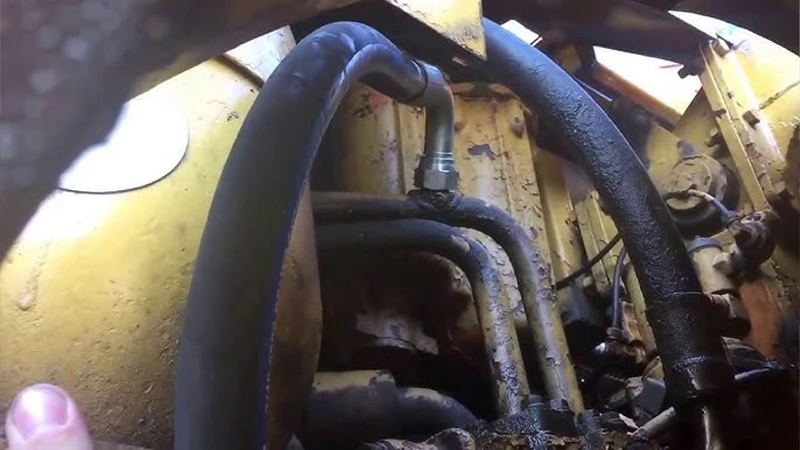
The tilting bed system is the most visibly demanding hydraulic circuit in any mining dump truck. This system must lift loads of 300 to 400 tons at angles exceeding 50 degrees, all while maintaining pressure stability and preventing uncontrolled load descent. The hydraulic hoses in this circuit experience sustained high pressures, often exceeding 3,500 PSI, combined with constant thermal cycling as the system heats and cools during repeated loading cycles.
The tilt bed circuit faces unique operational stresses that distinguish it from other truck hydraulic systems. Unlike stationary equipment, mining trucks move constantly across rough terrain. Every pothole, rock, and grade change transmits vibration through the vehicle frame directly into the hydraulic hoses. This vibration stress, combined with high pressure, creates fatigue conditions that degrade standard hoses rapidly.
Temperature fluctuations in mining environments amplify hose degradation. In open-pit mines operating in desert regions, surface temperatures can exceed 50°C (122°F), while nighttime temperatures drop to near freezing. The hydraulic fluid itself heats from system friction, reaching internal temperatures of 70–80°C (158–176°F) during intensive loading and unloading cycles. These temperature swings cause elastomer materials to expand and contract, eventually cracking and leaking.
We recommend our rubber mining hose specifically designed for tilt bed applications. This hose features reinforced elastomer compounds that maintain flexibility across the extreme temperature ranges found in mining operations. The internal tube resists oxidation and fluid degradation better than standard hoses, extending replacement intervals from 2–3 years to 4–5 years in typical mining applications.
Steering and Brake Systems: Reliability Under Pressure
While the tilt bed system receives attention from operators, the steering and brake hydraulic circuits receive insufficient maintenance focus—despite their criticality for equipment safety. These circuits operate at pressures ranging from 2,000 to 3,500 PSI and must respond instantly to operator input. Any delay or pressure loss in steering circuits creates dangerous handling characteristics, while brake circuit degradation creates catastrophic safety hazards.
Mining dump trucks often operate on grades exceeding 10 percent while fully loaded. The braking system must dissipate enormous kinetic energy while preventing wheel lock and maintaining directional control. Hydraulic brake circuits in these applications cycle constantly—engaging and releasing dozens of times per shift. This cycling frequency creates fatigue stress conditions that standard hoses cannot endure indefinitely.
The steering circuits demand both high pressure and precise responsiveness. A mining truck operator in a confined pit must steer with precision while monitoring load stability and surrounding equipment. Any reduction in steering responsiveness due to hose pressure loss or internal degradation compromises safety and operational efficiency. Steering hose failures, while less common than tilt bed failures, typically occur with minimal warning, making preventive maintenance essential.
Both steering and brake circuits benefit from our high-pressure hydraulic hose systems engineered with multiple reinforcement layers and fatigue-resistant elastomer compounds. These hoses maintain pressure integrity across millions of pressure cycles, significantly extending safe operating life.
Transmission Control and Engine Auxiliary Systems
Modern mining trucks incorporate sophisticated transmission control systems managed through hydraulic pressure. Automatic transmission fluid (ATF) flowing through transmission control circuits must maintain precise pressure windows to ensure proper gear engagement and prevent transmission damage. Unlike open-circuit hydraulic systems, transmission systems recirculate the same fluid continuously, concentrating contaminants and accelerating hose degradation.
Engine auxiliary hydraulic systems power multiple functions: engine-driven compressors, cooling fans, hydraulic power steering assist, and transmission cooler circuits. These systems operate at moderate pressures (1,500–2,500 PSI) but demand consistent, reliable performance. A failure in any auxiliary system can force equipment offline immediately.
The challenge in transmission and auxiliary circuits lies in fluid cleanliness management. Contamination dramatically shortens hose life. Mining environments generate substantial dust and airborne particles that infiltrate hydraulic systems through breather ports, damaged seals, and compromised hose connections. Transmission fluid contamination increases viscosity, reduces heat transfer efficiency, and accelerates elastomer degradation.
For transmission and auxiliary circuits, we recommend standard industrial-grade hoses rated for 2,500 PSI with excellent fluid compatibility across different ATF specifications and engine oil types. The critical specification involves internal cleanliness and outgassing properties—hoses designed to minimize fluid aeration reduce transmission control system instability.
Cabin Suspension and Operator Comfort Systems
Heavy haul equipment increasingly incorporates air suspension cabins and operator isolation systems to improve safety and comfort. These systems use hydraulic dampening circuits that absorb vibration from rough terrain, protecting both equipment and human operators. While these systems operate at lower pressures than tilt bed or steering circuits (typically 500–1,500 PSI), they must deliver consistent damping performance across the full range of operational vibration frequencies.
The unique challenge in suspension circuits involves maintaining performance consistency despite temperature variations and fluid degradation. A suspension circuit that loses responsiveness creates harsh ride characteristics that fatigue operators and accelerate wear on other equipment components. Conversely, over-damped suspension increases braking distances and reduces vehicle maneuverability.
Suspension and damping circuits require hoses with specific flow characteristics and pressure response curves. Standard industrial hoses may have adequate pressure ratings but deliver poor dynamic performance in these applications. Specialized suspension hoses maintain performance characteristics across their entire operational life, preserving ride quality and equipment safety.
Comparative Analysis: Hydraulic Applications Across Mining Equipment
| System Component | Operating Pressure | Flow Rate Demand | Temperature Range | Primary Failure Mode | Maintenance Interval |
|---|---|---|---|---|---|
| Tilt Bed Circuit | 3,200–4,000+ PSI | High (200–300 GPM) | 0–80°C | Fatigue cracking, leaks | 6–12 months |
| Steering System | 2,500–3,500 PSI | Moderate (80–150 GPM) | 5–70°C | Pressure loss, vibration | 12–18 months |
| Brake System | 2,000–3,000 PSI | Moderate (60–120 GPM) | 10–75°C | Cyclic fatigue, seal wear | 12–18 months |
| Transmission Control | 1,800–2,500 PSI | Low–Moderate (30–80 GPM) | 20–85°C | Contamination, fluid breakdown | 18–24 months |
| Engine Auxiliary | 1,500–2,500 PSI | Moderate (40–100 GPM) | 10–80°C | Dust contamination, thermal stress | 18–24 months |
Design Integration: Protecting Hoses in Mining Environments
Mining equipment operates in brutal environments where hoses face constant exposure to airborne dust, impact from rock fragments, extreme UV radiation, and corrosive atmospheres. Protective measures during equipment design significantly extend hose life and prevent emergency repairs that halt production.
Strategic hose routing that minimizes exposure to moving parts, sharp edges, and impact sources reduces damage frequency by 40–50 percent in typical mining applications. During initial equipment design or major rebuilds, invest time in optimizing hose paths and securing them with proper clamps and protective sleeves. This investment pays dividends through extended service life and reduced downtime.
Abrasion-resistant covers protect exposed hoses from rock impact and dust accumulation. In mining operations, dust accumulation on hoses accelerates elastomer degradation through constant micro-abrasion and UV exposure. Pressure washing hose external surfaces during routine maintenance removes accumulated dust and extends hose lifespan significantly.
Temperature management through proper hose insulation in extreme-temperature regions prevents rapid elastomer degradation. In desert mining operations, reflective hose sleeves can reduce surface temperatures by 10–15°C, substantially extending hose life in circuits exposed to direct sunlight.
Preventive Maintenance: The Economics of Hose Management
Most mining companies recognize that preventive maintenance costs far less than emergency repairs. Hydraulic hose failures often trigger cascade failures in dependent systems. A tilt bed hose rupture doesn’t simply require hose replacement—it may damage the transmission system, cause load spillage, and create safety hazards requiring emergency response.
Establish a documented inspection schedule based on hose type and operating conditions. Visual inspection identifies swelling, cracks, permanent deformation, and surface degradation before complete failure occurs. Pressure testing reveals internal degradation that visual inspection misses. Fluid analysis detects contamination levels and identifies fluid breakdown products indicating accelerated hose degradation.
In high-utilization mining operations, hose replacement on a fixed schedule—regardless of appearance—prevents unexpected failures more economically than run-to-failure approaches. A tilt bed hose that appears functional at 3 years of service may fail catastrophically at month 37, halting a 300-ton truck mid-shift. Scheduled replacement at 3 years prevents this risk.
Selecting Hoses for Specific Mining Applications
Different mining operations demand different hose specifications. Open-pit hard rock mining in desert regions requires maximum temperature tolerance and vibration resistance. Underground coal mining demands flame-resistant hoses and contamination resistance. Alluvial mining in tropical regions requires hoses resistant to moisture infiltration and microbial growth.
Kingdaflex works with mining equipment manufacturers and operating companies to specify hydraulic systems optimized for their specific environments. Our complete hydraulic hose product range covers all mining truck applications, from the extreme demands of tilt bed circuits to the specialized requirements of transmission control systems.
Conclusion: Hydraulic Reliability Powers Mining Operations
Mining dump trucks and heavy haul equipment represent substantial capital investments operating in extreme environments. The hydraulic systems powering these machines demand careful specification, proper installation, and consistent preventive maintenance. Understanding how hydraulic hoses function across tilt bed, steering, brake, transmission, and auxiliary circuits enables equipment owners and operators to maintain reliability and control operating costs.
The difference between well-maintained hydraulic systems and neglected ones often measures in hundreds of thousands of dollars annually. Equipment failures halt production, require costly emergency repairs, and risk operator safety. Conversely, properly specified hoses and disciplined maintenance protocols create equipment that operates reliably across years of demanding service.
The next time your mining operation experiences hydraulic system issues, examine not just the failed component but the entire system design. Often, hose selection and maintenance practices represent the single largest opportunity to improve equipment reliability and reduce total operating costs.