
Braided rubber hose is a reinforced flexible hose designed for medium to high pressure fluid transfer in hydraulic and industrial systems. The braided construction—using single or double layers of steel wire or textile reinforcement—provides enhanced pressure resistance, structural stability, and durability under demanding operating conditions.
Manufactured in compliance with SAE and EN standards, our braided rubber hoses are suitable for construction, agricultural, mining, and industrial applications. We offer custom production options including length, fittings, pressure rating, and branding to meet specific system requirements and international quality expectations.
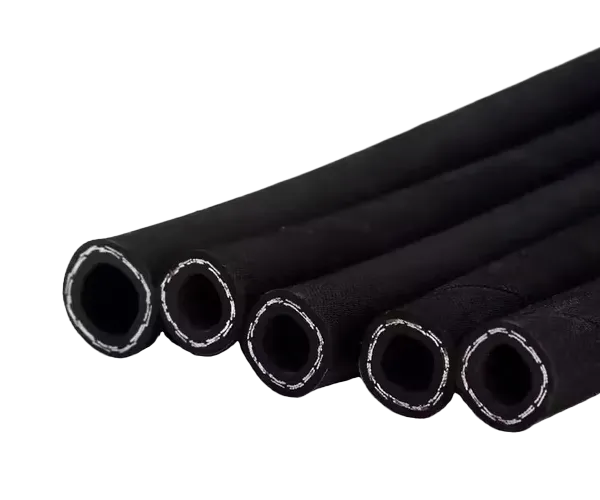
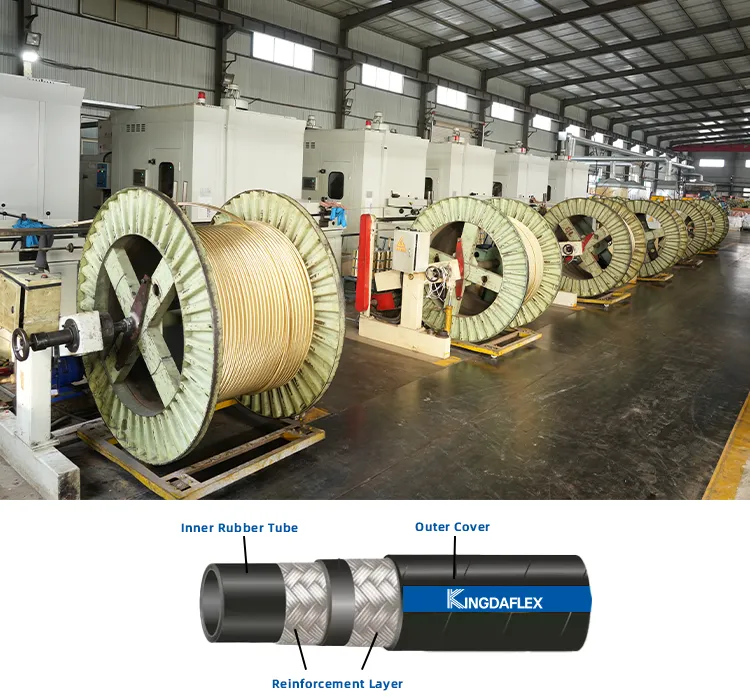
Braided rubber hose is constructed with a multi-layer design engineered to balance pressure resistance, flexibility, and long-term durability. Each layer plays a critical role in ensuring reliable performance under hydraulic and industrial operating conditions.
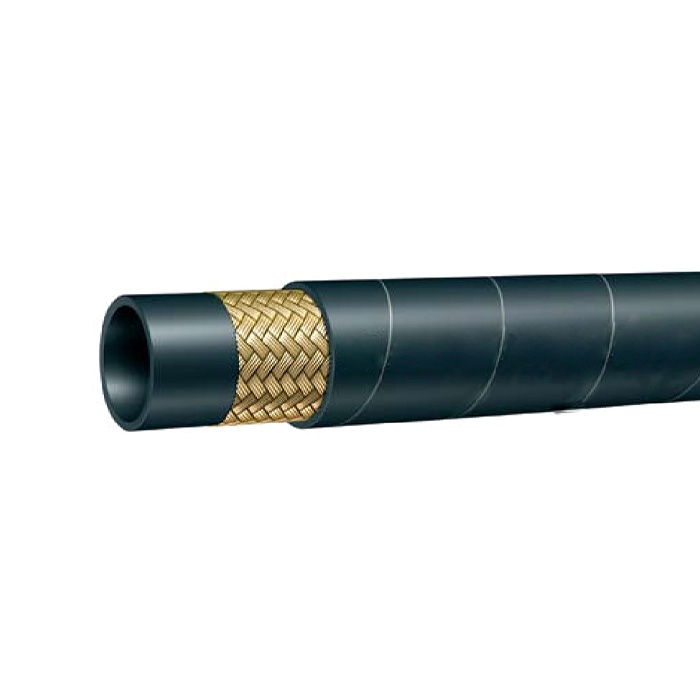
SAE 100R1 hydraulic hose features a single layer of high-tensile steel wire braid reinforcement and is designed for medium-pressure hydraulic systems. It is commonly used in construction, agricultural, and industrial machinery where balanced flexibility and pressure performance are required. The single wire braid structure provides reliable strength while maintaining a relatively compact outer diameter.
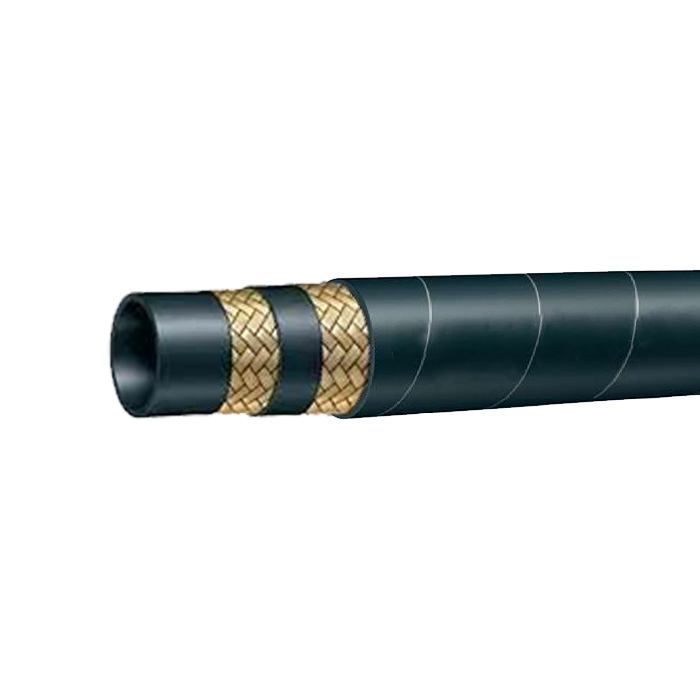
SAE 100R2 hydraulic hose incorporates two layers of steel wire braid reinforcement to support higher working pressure compared to R1. It is suitable for demanding hydraulic applications involving pressure fluctuations and dynamic movement. The double braid structure enhances pressure resistance while maintaining acceptable flexibility for mobile equipment.
EN853 1SN hose is the European standard equivalent of single wire braided hydraulic hose. It is widely used in medium-pressure hydraulic systems across industrial and mobile machinery. Designed according to EN specifications, it offers consistent dimensional tolerances and pressure ratings compatible with global hydraulic systems.
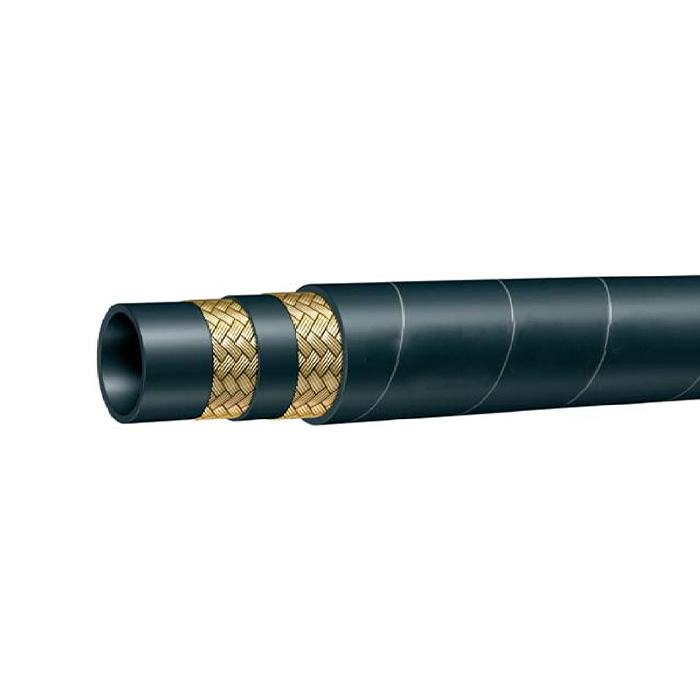
EN853 2SN hydraulic hose features dual steel wire braid reinforcement for higher pressure applications. It provides enhanced durability and fatigue resistance in construction equipment, agricultural machinery, and industrial hydraulic systems. This hose type is commonly selected for European-standard hydraulic installations requiring reliable performance.
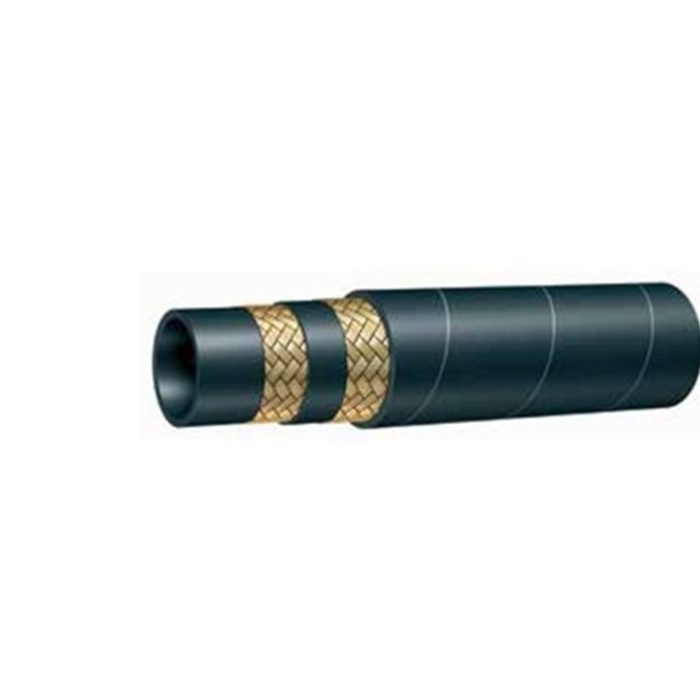
SAE 100R16 hose is designed with one or two layers of steel wire braid but with a reduced outer diameter compared to R1 and R2 types. It is suitable for high-pressure systems where space limitations require a more compact hose structure without sacrificing pressure capacity.
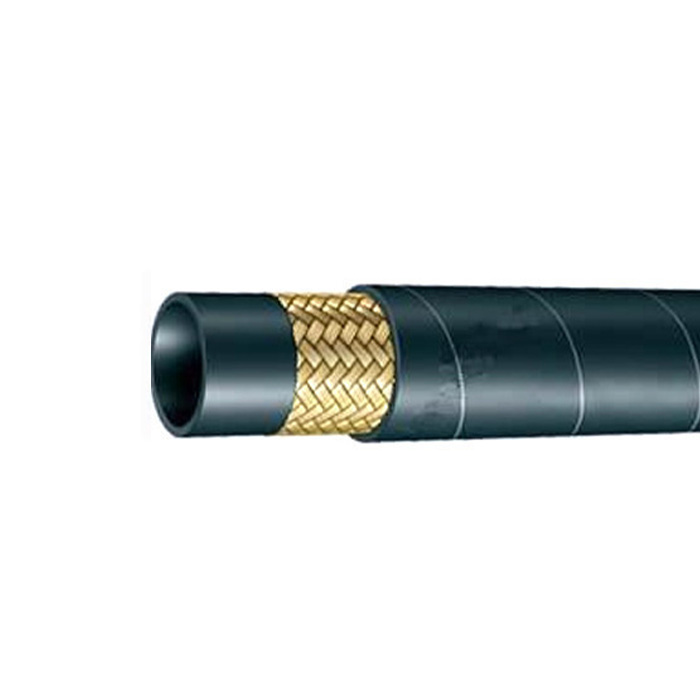
SAE 100R17 hydraulic hose is engineered for high-pressure applications with a compact outer diameter. It offers pressure performance similar to higher-rated hoses while maintaining improved flexibility. R17 hoses are commonly used in modern hydraulic equipment where routing space is restricted.
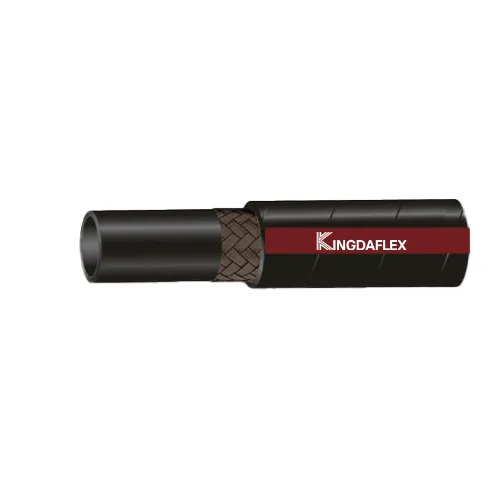
Textile braided rubber hoses use synthetic fiber reinforcement instead of steel wire. They are suitable for low-pressure hydraulic systems, return lines, and general fluid transfer applications. These hoses offer good flexibility and lightweight construction but are not intended for high-pressure transmission lines.
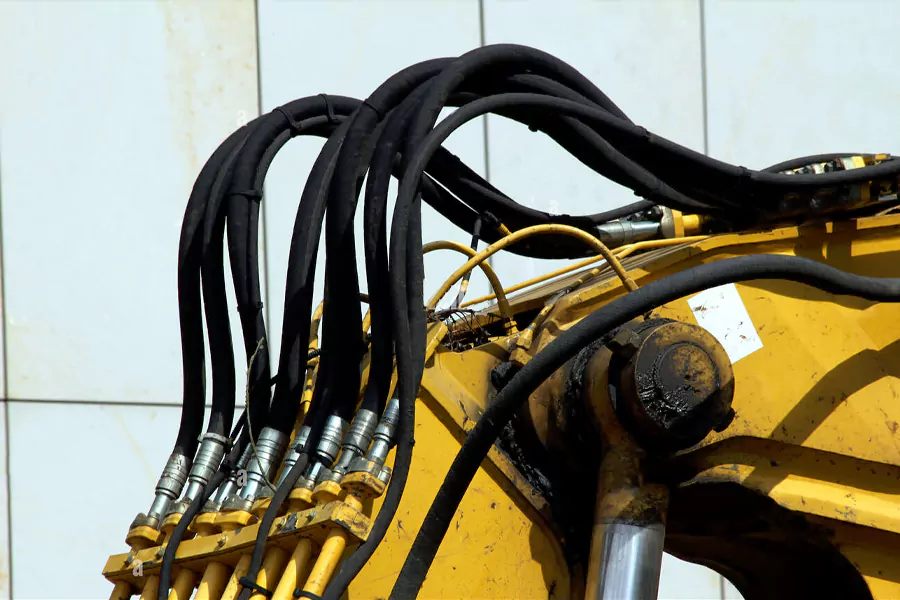
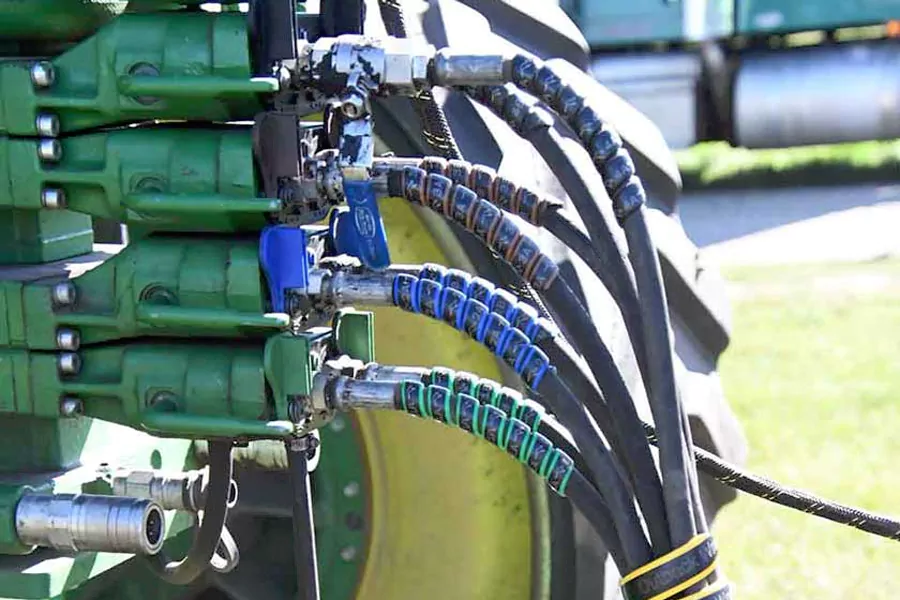
In tractors, harvesters, and farming machinery, braided rubber hoses support hydraulic control circuits and fluid transfer systems. The balanced flexibility and pressure resistance make them suitable for outdoor environments and continuous mechanical operation.
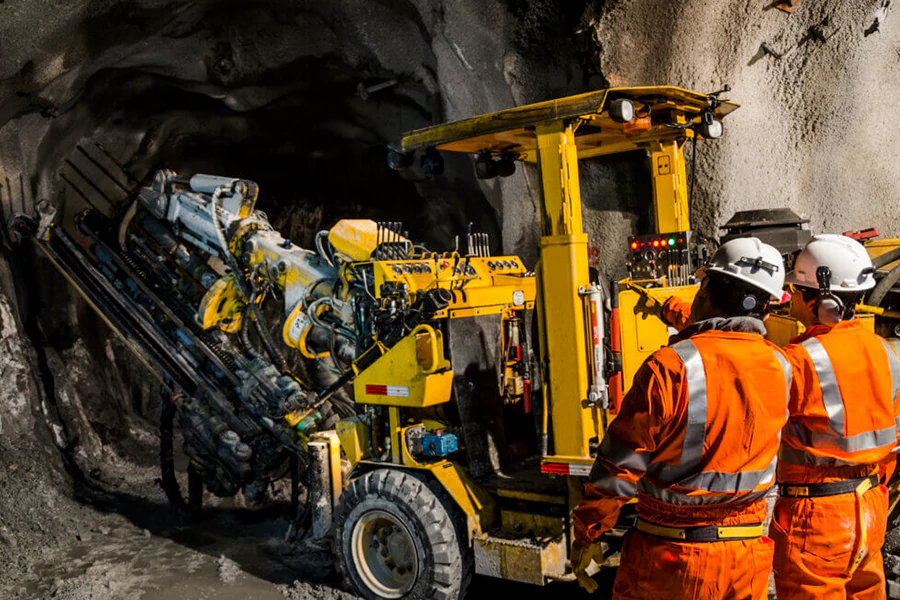
Mining machinery operates under heavy load and harsh environments. Braided rubber hoses provide durable hydraulic fluid transmission, offering strong resistance to pressure spikes, abrasion, and demanding working conditions.
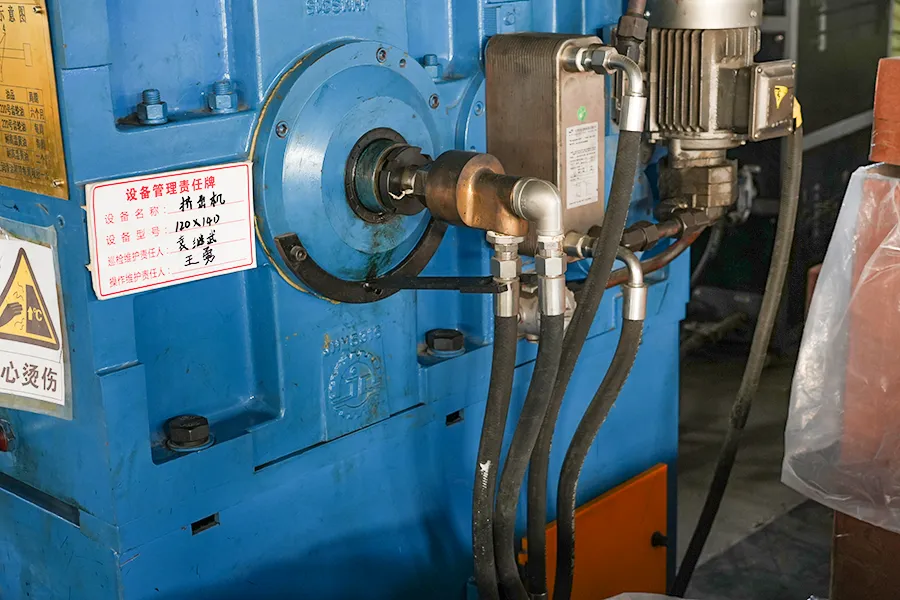
Hydraulic power units utilize braided rubber hoses for supply and return lines within compact assemblies. Their pressure capacity and manageable bend radius support efficient fluid flow in space-limited hydraulic installations.
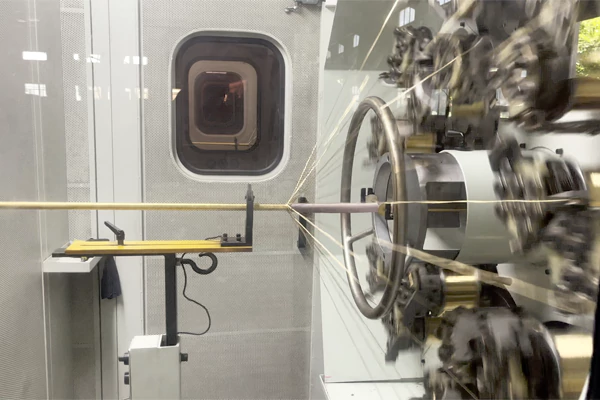
Kingdaflex operates controlled in-house braiding production lines to ensure consistent steel wire tension and uniform reinforcement structure.
Each braided rubber hose batch undergoes working pressure verification and burst testing to validate performance under rated specifications. Production follows SAE and EN standards to maintain dimensional and pressure compliance. Strict inspection procedures are applied to inner tube bonding, reinforcement integrity, and outer cover quality.
We support OEM branding, customized lengths, and assembled fittings for industrial, agricultural, and hydraulic system applications.
We calibrate pore size to control specific flow rates. Choose high-density for clay soils or low-density for sandy terrains to achieve the perfect Gallons Per Hour (GPH) moisture balance.
Available in standard 1/2″ or 5/8″ diameters. We manufacture custom lengths from 25ft to 500ft bulk rolls, ensuring your irrigation system fits your specific field or garden layout perfectly.
Customize your hose with specific additives, including enhanced UV stabilizers for high-heat climates or anti-microbial coatings to prevent clogging from algae or mineral buildup in hard water irrigation areas.
Choose from heavy-duty brass, plastic, or stainless steel connectors. We support 3/4″ GHT, NPT, or quick-connect systems, providing leak-proof seals tailored to your regional plumbing and global equipment standards.
A rubber soaker hose is a porous, flexible tube designed for high-efficiency, low-pressure irrigation. Unlike traditional hoses that deliver water through a single nozzle, a soaker hose is engineered with thousands of microscopic pores across its entire surface. This allows water to slowly and steadily release directly into the soil at the base of plants, virtually eliminating water waste from runoff and evaporation.
It is an essential tool for water-wise gardening, capable of reducing water consumption by up to 70% compared to overhead sprinklers. It is the preferred solution for maintaining consistent moisture levels in garden beds, foundation perimeters, and agricultural rows.
Our premium soaker hoses are primarily manufactured from a specialized blend of post-consumer recycled tire crumb (70-80%) and high-grade virgin polymers or EPDM rubber. This combination creates a unique porous structure that allows water to “weat” or seep through the walls consistently.
The recycled tire rubber provides the rugged durability and puncture resistance needed for outdoor environments, while the polymer additives ensure the hose remains flexible in temperatures ranging from -20°C to 60°C. This material choice not only supports global sustainability efforts by repurposing industrial waste but also creates a product that outperforms traditional plastic alternatives in harsh climates.
The “best” type depends on your specific irrigation needs and landscape layout.
For professional landscaping and heavy-duty use, a Round Rubber Soaker Hose is the gold standard due to its high structural integrity and resistance to kinking.
If you prioritize environmental sustainability, a Recycled Rubber Soaker Hose made from high-grade tire crumb is excellent for deep-root hydration in vegetable beds.
For those with limited storage or smaller garden plots, a Flat Rubber Soaker Hose offers a lightweight, space-saving design.
Always ensure your choice matches your local water pressure and the specific hydration requirements of your soil type (clay vs. sandy).
Yes, as a specialized manufacturer, we offer full customization for bulk and OEM orders.
While standard residential lengths are often 25ft, 50ft, or 100ft, we can produce custom rolls up to 500ft for agricultural or commercial projects.
In terms of diameter, the industry standards are 1/2 inch and 5/8 inch. A 1/2-inch hose is ideal for shorter runs (up to 100ft) to maintain consistent pressure, while a 5/8-inch diameter is better suited for longer irrigation lines where higher water volume is required.
We also provide custom end fittings, including GHT, NPT, or brass compression couplings, to ensure a leak-proof fit for your specific system.
Absolutely. Our rubber soaker hoses are engineered to be safe for organic gardening and edible crops. We use high-quality, lead-free recycled rubber and UV-stabilized polymers that do not leach harmful chemicals into the soil.
Because the hose delivers water directly to the root zone via a “sweeping” action rather than spraying the foliage, it minimizes the risk of leaf-borne diseases and ensures that the water remains uncontaminated by surface pollutants.
For added peace of mind, our materials comply with international safety standards, making them a trusted choice for vegetable gardens, orchards, and professional nurseries worldwide.
Effective installation starts with proper layout and pressure management. Lay the hose in a “snake” pattern around your plants, keeping rows roughly 12 to 18 inches apart to ensure even moisture distribution across the root zone. Crucially, always use a 25 PSI pressure regulator at the water source; rubber soaker hoses are designed for low pressure, and high household pressure can cause the porous walls to burst.
Once positioned, we recommend covering the hose with 2 to 3 inches of mulch. This not only hides the hose for a cleaner aesthetic but also protects the rubber from UV degradation and significantly reduces water evaporation.
A high-quality rubber soaker hose typically lasts between 3 to 7 years, depending on environmental exposure and maintenance. To maximize lifespan, our hoses are treated with UV inhibitors to resist cracking under intense sunlight.
However, longevity is greatly increased by burying the hose under mulch, which shields the rubber from the elements. To prevent internal damage, always drain the hose before the first winter frost to avoid expansion and cracking from frozen water. Additionally, using a fine-mesh filter at the intake will prevent mineral buildup and sediment from clogging the pores, ensuring a consistent flow rate for many seasons.