A rubber hose that has become stiff, brittle, or rigid is both frustrating and potentially dangerous. Fortunately, learning how to soften a rubber hose is straightforward—and in most cases, you can restore its flexibility in under an hour using items you already have at home.
In this guide, you’ll find five proven methods to soften rubber hoses, a breakdown of the best chemical softeners, guidance on when to treat your hose, and tips for keeping it flexible long-term. Whether you’re working with garden hoses, hydraulic hoses, air lines, or fuel hoses, the same core principles apply.
Why Do Rubber Hoses Go Stiff?

Before choosing a softening method, it helps to understand why rubber hardens in the first place.
Rubber naturally contains plasticizers—chemical compounds that give it flexibility. Over time, these plasticizers migrate to the surface and evaporate, leaving the rubber dry, rigid, and prone to cracking. The main causes are:
- UV exposure and ozone – Break down the rubber’s polymer chains
- Extreme temperatures – Heat accelerates plasticizer loss; cold temporarily locks molecules in place
- Long-term storage – Unused hoses lose moisture and flexibility
- Chemical exposure – Certain solvents strip protective compounds from the rubber surface
- Age – All rubber degrades over time regardless of conditions
Knowing the cause can help you choose the most effective treatment and prevent future stiffening.
When Should You Soften a Rubber Hose?
Not every stiff hose needs to be softened. Here’s when it’s worth treating vs. replacing:
Soften the hose when:
- It’s stiff but shows no visible cracks, splits, or surface crazing
- It was in storage and has become rigid from lack of use
- Cold temperatures have temporarily reduced its pliability
- It’s difficult to route or connect during installation
Replace the hose when:
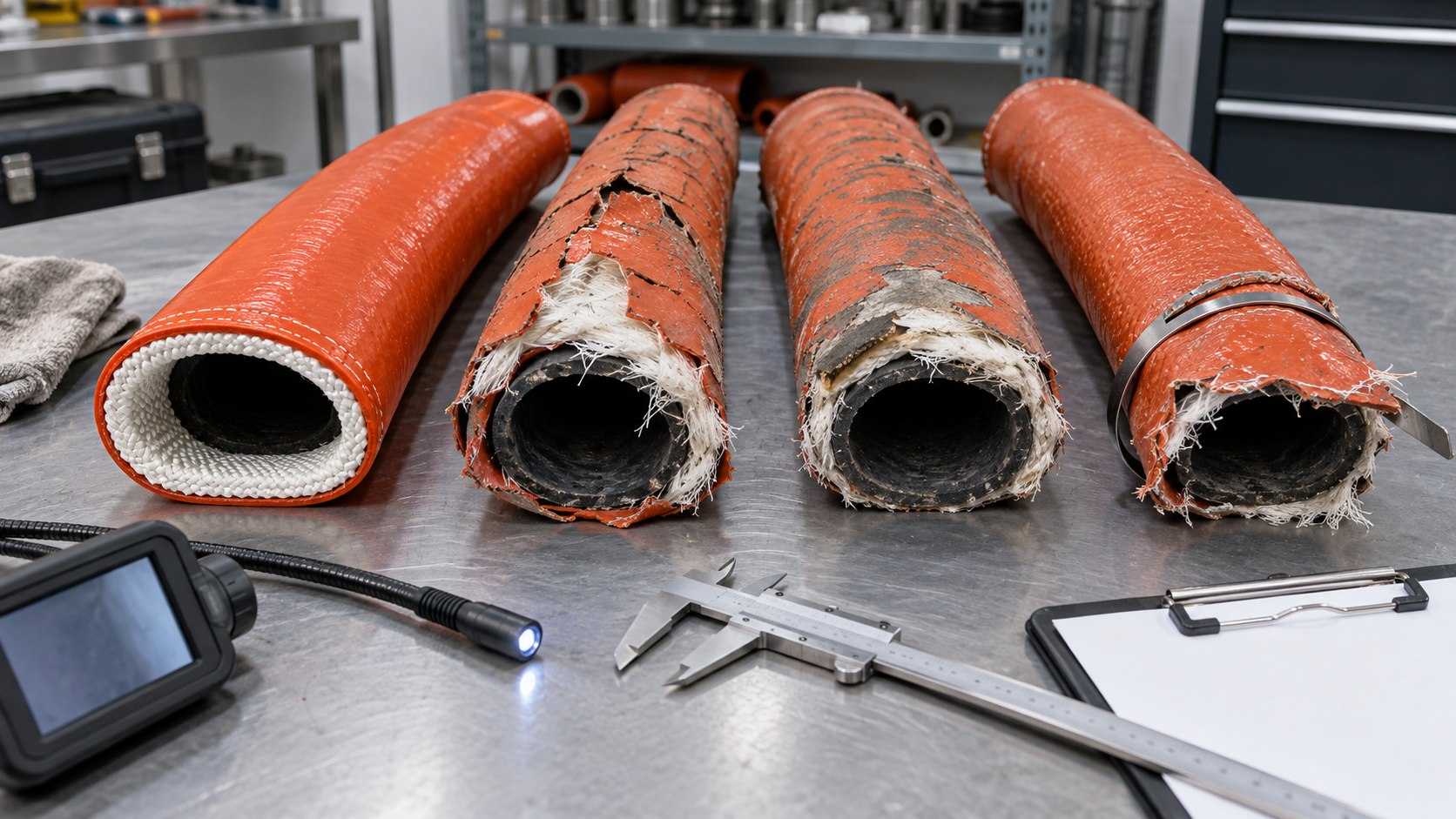
- Surface cracks, deep crazing, or brittleness are visible
- The hose has hardened so severely that bending causes it to crack
- It’s showing signs of delamination or inner tube damage
- Pressure performance has degraded noticeably
Pro tip: If a hose cracks when you gently try to flex it, no softening method will save it. A cracked hose under pressure is a safety hazard—replace it immediately.
How to Soften Rubber Hose: 5 Methods
Method 1: Hot Water Soak (Most Accessible)
Best for: Garden hoses, water transfer hoses, general rubber tubing Time required: 30–60 minutes Materials: Large bucket or tub, hot water, optional conditioner (glycerin or dish soap)
This is the most accessible method and works well for moderately stiff hoses.
Steps:
- Fill a large container with hot water—between 60°C and 80°C (140°F–175°F). Do not use boiling water (100°C / 212°F), which can damage the rubber.
- Optionally, add a small amount of glycerin or dish soap to help condition the material as it soaks.
- Submerge the stiff section of the hose completely. Weigh it down if needed.
- Soak for at least 30 minutes; severely stiff hoses may need 60–90 minutes.
- Remove the hose and gently flex it back and forth along its length to work the flexibility back in.
- Rinse with clean water, wipe dry, and allow it to air-cure before use.
Why it works: Heat causes rubber molecules to expand and become more mobile. Combined with a conditioner, it helps restore the plasticizer balance in the outer layers of the material.
Method 2: Glycerin Treatment (Best for Deep Conditioning)
Best for: Older hoses, hoses stored for long periods, severely stiffened rubber Time required: 1–2 hours (or overnight for best results) Materials: Glycerin (available at pharmacies or hardware stores), warm water, cloth
Glycerin is a natural humectant that draws moisture back into porous rubber surfaces.
Steps:
- Warm a diluted glycerin solution (1 part glycerin to 4 parts warm water) in a container.
- Fully submerge the hose and soak for 1–2 hours. For very stiff hoses, leave overnight.
- Remove, gently flex along its full length, and wipe off excess glycerin.
- Allow to dry before connecting to any fittings or putting back into service.
Tip: Glycerin is safe on most rubber types, including EPDM, neoprene, and natural rubber. Avoid using it on silicone hoses, where it provides little benefit.
Method 3: Silicone-Based Lubricant Spray (Fastest Method)
Best for: Quick maintenance, hoses that are slightly stiff, automotive and industrial hoses Time required: 15–30 minutes Materials: Silicone spray lubricant (e.g., WD-40 Specialist Silicone, 3-IN-ONE Silicone)
Silicone lubricants work primarily on the surface, making this the fastest option for mild stiffness.
Steps:
- Clean the hose with a damp cloth to remove dust and grime.
- Apply silicone spray evenly along the hose, working it into any creased or cracked areas.
- Let it penetrate for 10–15 minutes.
- Gently flex the hose along its length to distribute the lubricant.
- Wipe off excess with a clean cloth.
Note: Silicone lubricants do not penetrate deeply into rubber. They are ideal for maintenance and prevention but may not restore severely hardened hoses. Re-apply every few months for ongoing flexibility.
Method 4: Isopropyl Alcohol + Methyl Salicylate Solution (For Industrial Hoses)
Best for: Automotive hoses, hydraulic hoses, fuel lines Time required: 30–60 minutes Materials: Isopropyl alcohol (IPA), methyl salicylate (wintergreen oil), mixing container, gloves
This is a widely used formula in automotive maintenance for restoring rubber seals, gaskets, and hoses.
Steps:
- Mix 3 parts isopropyl alcohol with 1 part methyl salicylate (wintergreen oil) in a container.
- Submerge the stiff hose in the solution or apply generously with a cloth.
- Let it soak for 30–60 minutes.
- Remove and flex gently to restore pliability.
- Wipe clean and allow to air dry completely before use.
Safety note: Perform this in a well-ventilated area. Avoid contact with eyes and skin. Do not use near open flames. This mixture is flammable.
Method 5: Mineral or Vegetable Oil Soak (Low-Cost Alternative)
Best for: Garden hoses, utility hoses, natural rubber tubing Time required: Several hours to overnight Materials: Mineral oil or vegetable oil (e.g., olive oil, canola oil), container
Oil-based treatments work by penetrating the rubber and replenishing lost plasticizers.
Steps:
- Warm a small amount of mineral or vegetable oil (do not overheat—around 40°C / 100°F is sufficient).
- Apply to the hose surface or submerge in the warm oil.
- Allow to soak for several hours or overnight.
- Remove, wipe off excess oil thoroughly, and test flexibility before returning to service.
Caution: Oil residue can attract dirt and may cause compatibility issues with certain hose applications (especially fuel or food-grade hoses). Always wipe off thoroughly and confirm material compatibility before use.
Comparison Table: Rubber Hose Softening Methods
| Method | Best For | Time | Depth of Treatment | Cost |
|---|---|---|---|---|
| Hot water soak | General rubber hoses | 30–60 min | Surface–medium | Very low |
| Glycerin treatment | Long-stored, severely stiff hoses | 1–2 hrs | Medium–deep | Low |
| Silicone lubricant spray | Mild stiffness, quick fix | 15–30 min | Surface only | Low–medium |
| IPA + wintergreen oil | Automotive, hydraulic hoses | 30–60 min | Medium–deep | Medium |
| Mineral / vegetable oil | Utility and garden hoses | Several hours | Medium | Very low |
When to Replace Instead of Soften
Softening methods restore flexibility to rubber that still has structural integrity. If your hose shows any of the following, replacement is the safer choice:
- Visible surface cracks or crazes
- Hose stiffens again within days of treatment
- Bulging, blistering, or soft spots
- Weeping or seeping at the surface under pressure
- Inner tube collapse visible when the hose is bent
For hydraulic and high-pressure industrial hoses in particular, compromised hoses pose a serious risk of failure. If in doubt, always err on the side of replacement.
FAQ
Can you permanently soften a rubber hose?
Deep conditioning methods like glycerin soaking can provide long-lasting results, but no treatment is permanently effective. Rubber naturally loses plasticizers over time. Regular maintenance—applying silicone lubricant every few months and storing hoses properly—will slow the hardening process significantly.
Is WD-40 safe to use on rubber hoses?
Standard WD-40 (petroleum-based) can actually degrade many types of rubber over time. Use WD-40 Specialist Silicone instead, which is specifically formulated to be rubber-safe. Always check product labels and confirm compatibility with your hose material.
What chemical will soften rubber the fastest?
Silicone-based lubricants work fastest for surface softening (within 15–30 minutes). For deeper penetration, the isopropyl alcohol and methyl salicylate mixture is highly effective, especially on automotive-grade rubber compounds.
Can I use olive oil to soften a rubber hose?
Yes. Olive oil and other vegetable oils can help soften rubber, especially natural rubber types. The oil absorbs into the rubber matrix and replenishes lost plasticizers. However, thoroughly wipe off any excess and confirm it’s compatible with the hose’s intended application before use.
How do I keep rubber hoses from hardening again?
Store hoses away from direct sunlight and UV exposure.
Keep hoses in a cool, dry environment.
Apply silicone lubricant every 3–6 months as preventive maintenance.
Avoid storing hoses near electrical equipment (ozone accelerates rubber degradation).
Coil hoses loosely—tight bends stress the rubber and accelerate cracking.
Conclusion
Stiff rubber hoses don’t have to be a write-off. The right softening method—whether a hot water soak, glycerin treatment, or silicone lubricant—can restore flexibility and extend the usable life of your hoses significantly. The key is choosing the right approach for your hose type and severity of stiffness, and following up with regular maintenance to prevent premature hardening.
For critical applications like hydraulic systems, fuel lines, or industrial transfer, investing in high-quality hoses from the start is the best way to minimize maintenance needs. Kingdaflex manufactures hydraulic and industrial hoses built to resist aging, UV degradation, and environmental stress—reducing the frequency of softening treatments and replacement over the hose’s lifetime.
Explore Kingdaflex’s full range of hydraulic hoses and industrial hoses to find the right specification for your application.