For OEMs developing new hydraulic equipment, the hose and fitting supplier relationship often starts far earlier than most people assume — and continues well beyond the first production run. A hose supplier that only responds to purchase orders provides very different value than one that actively supports design decisions, prototype iteration, testing, and long-term production consistency. Understanding what a strong supplier partnership actually looks like across the full product development cycle can help OEMs avoid costly redesigns, sourcing delays, and field reliability issues down the road.
This article walks through how hydraulic hose suppliers can — and should — support OEMs at each stage of product development, from early concept work through full-scale production and beyond.
Why the Supplier Relationship Matters Beyond Just Pricing
It’s easy to treat hose sourcing as a straightforward commodity purchase: specify a pressure rating, request quotes, and select based on price and lead time. But for equipment with demanding duty cycles, custom routing requirements, or long expected service lives, the hose and fitting supplier’s technical involvement can significantly affect the final product’s reliability, development timeline, and total lifecycle cost — as discussed in our article on integrating hydraulic hose design into equipment lifecycle planning.
A supplier who understands the application, not just the part number, can flag potential issues early — before they become expensive problems discovered during field testing or, worse, after a product has already launched.
Stage 1: Early Concept and Design Consultation
Application and Duty Cycle Discussion
At the earliest design stage, a knowledgeable hose supplier can help OEM engineers think through the actual operating conditions the hydraulic system will face — expected pressure ranges, cycle frequency, temperature extremes, and environmental exposure. This conversation often reveals requirements that aren’t obvious from a basic spec sheet, such as the need for impulse-rated hose in a high-cycle circuit or corrosion-resistant fittings for equipment operating in coastal or marine environments.
Component Recommendations Based on Real-World Data
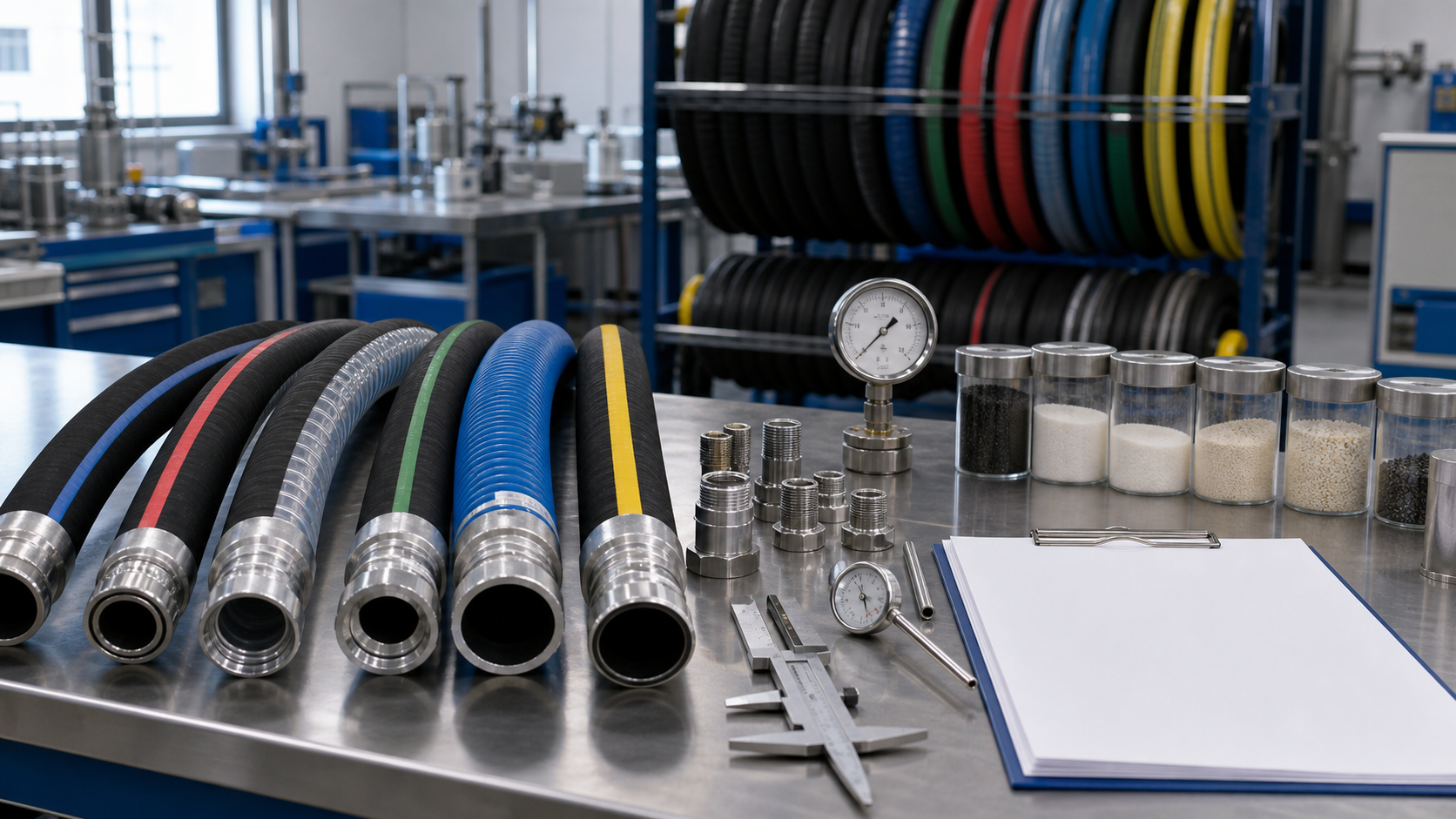
Rather than simply matching a stated pressure requirement, an experienced supplier can recommend hose and fitting combinations based on how similar products have performed in comparable applications — helping OEMs avoid under-specifying components that look adequate on paper but underperform in the field.
Routing and Packaging Input
Hose suppliers with hands-on assembly experience can also provide useful input on routing, minimum bend radius, and fitting orientation during the mechanical design phase, when changes are still relatively inexpensive to make. Addressing these details early avoids the more costly redesigns that often happen when routing issues are discovered later during physical prototyping.
Stage 2: Prototype Development and Testing
Small-Batch and Custom Assembly Support
During prototyping, OEMs typically need small quantities of hose assemblies, often with configurations that may change multiple times as the design is refined. A supplier capable of producing small custom batches — rather than requiring large minimum order quantities — allows engineering teams to iterate quickly without being slowed down by sourcing constraints.
Supporting Design Validation Testing
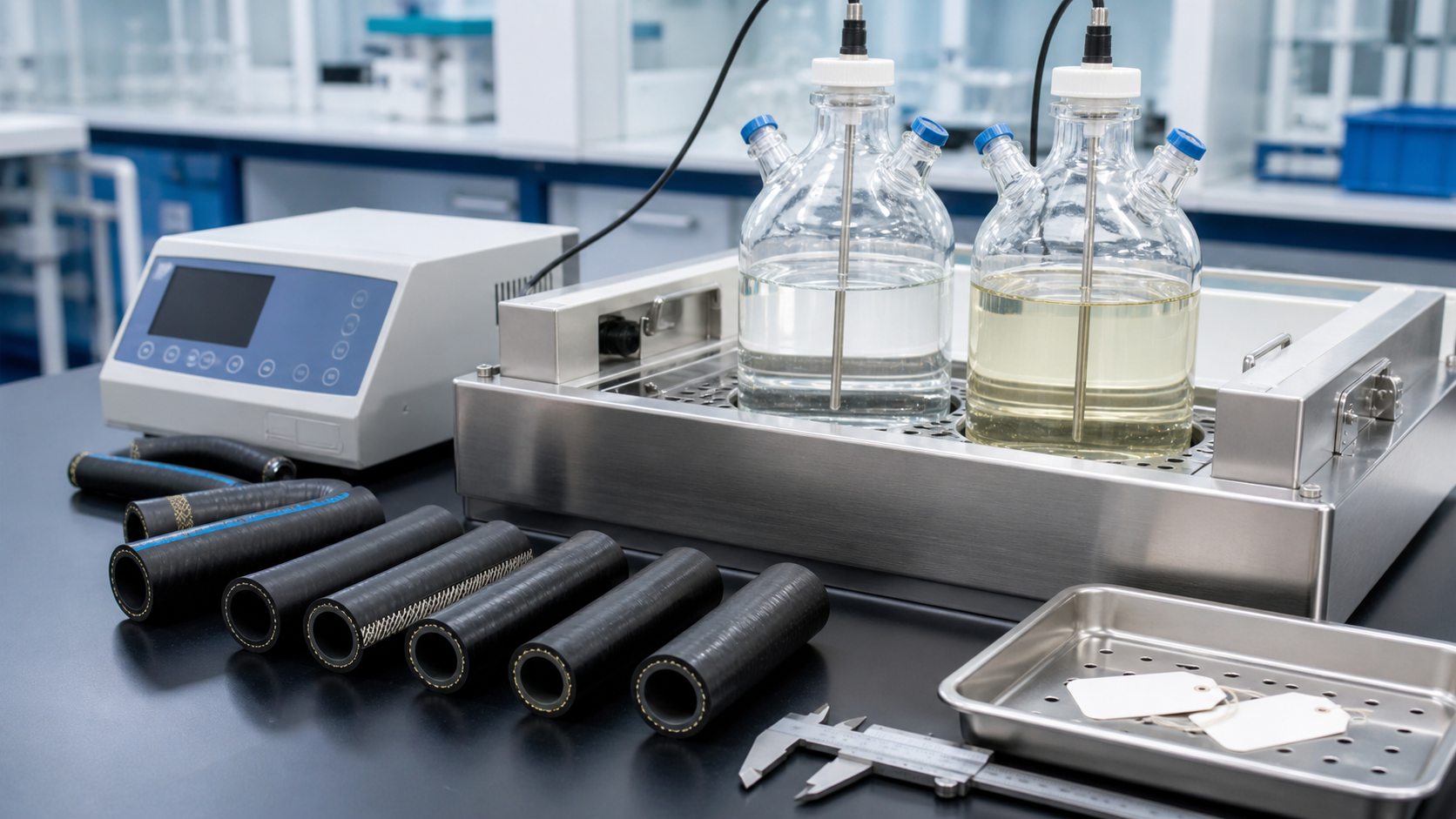
Suppliers with in-house or accessible impulse, pressure, and burst testing capabilities can support OEM validation programs by providing test data, or in some cases performing testing directly on prototype assemblies. This is particularly valuable for confirming that a hose and fitting combination meets the cycle life and pressure requirements identified during the design stage, referenced in our article on hydraulic hose impulse rating.
Iteration Based on Field or Lab Feedback
Prototype testing often reveals adjustments needed — a different fitting angle, a slightly longer hose length, or a different cover material for an unexpected environmental factor. Suppliers who can turn around revised prototype assemblies quickly help keep development timelines on track.
Stage 3: Pre-Production and Design Finalization
Finalizing Specifications for Manufacturability
As a design moves toward production, hose specifications need to be finalized in a way that’s both technically sound and practical to manufacture consistently at scale. This includes confirming standard hose lengths where possible, minimizing unnecessary custom fitting configurations, and aligning specifications with components the supplier can reliably produce in volume.
Documentation and Compliance Verification
For OEMs supplying regulated industries or export markets, suppliers should be able to provide documentation confirming compliance with relevant standards (SAE, EN, ISO) along with test certificates supporting pressure and impulse ratings — important both for regulatory purposes and for supporting the OEM’s own product certification process.
Establishing Quality Control Agreements
Before full production begins, OEMs and suppliers typically establish quality control expectations, including crimp specification verification, batch testing protocols, and traceability requirements — particularly important for safety-critical applications.
Stage 4: Production Ramp-Up and Ongoing Supply
Consistent Specification Across Production Runs
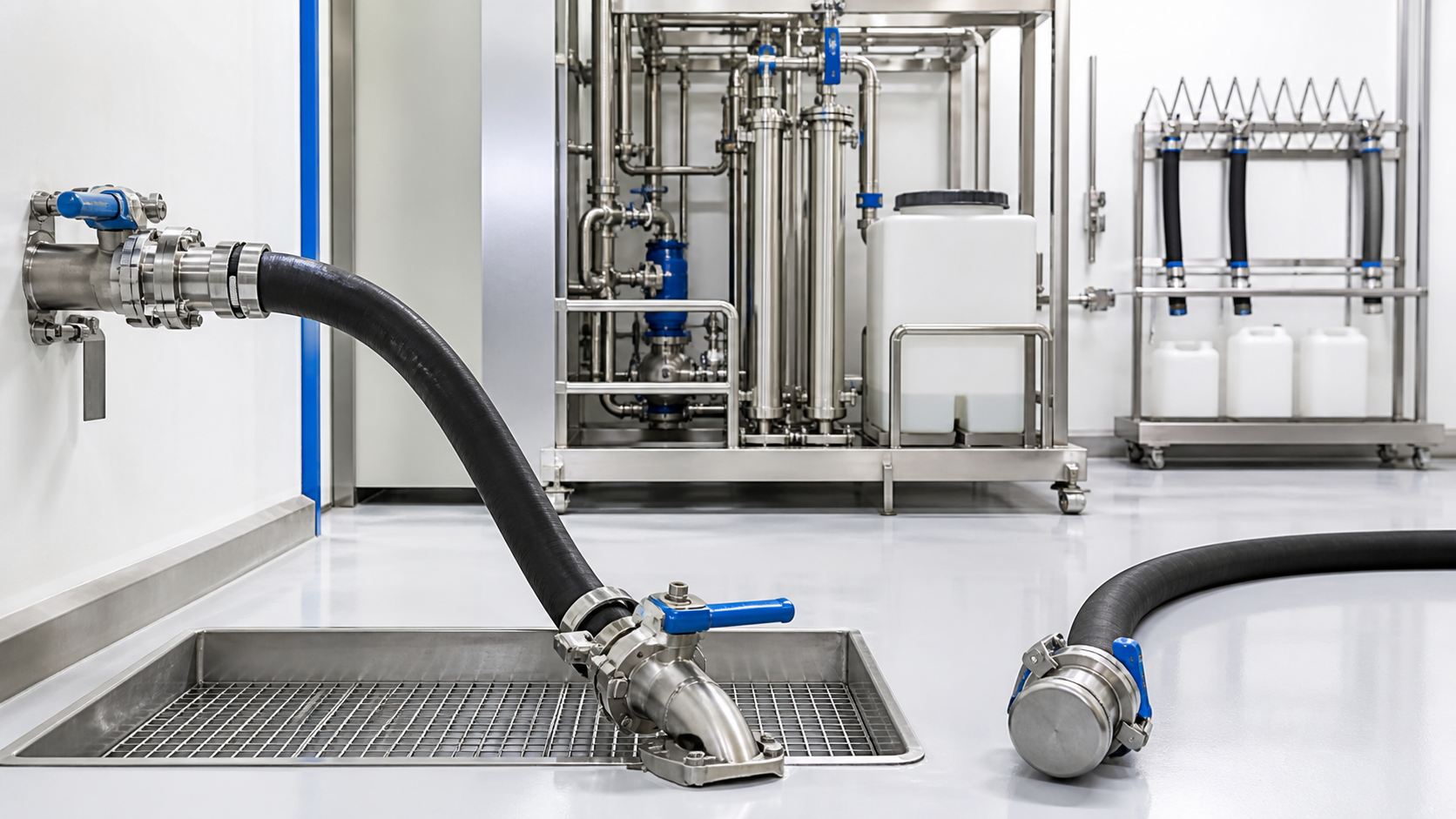
Once a product moves into full production, consistency becomes the priority. OEMs need confidence that hose assemblies delivered in month twelve of production match the same specifications and performance as those delivered in month one — which depends on the supplier’s internal quality control and manufacturing process consistency.
Scalable Capacity for Volume Production
A supplier’s ability to scale production volume reliably, without compromising lead times or quality, becomes critical as OEM order volumes grow. This is often where the difference between a transactional supplier and a true development partner becomes most apparent.
Supporting Design Revisions and Product Updates
Products evolve after launch — new model variants, engineering updates, or market-specific modifications often require hose specification changes. Suppliers who retain design history and can quickly implement approved changes help OEMs manage these updates without starting the sourcing process from scratch each time.
Stage 5: Field Support and Continuous Improvement
Warranty and Failure Analysis Support
When field failures do occur, a technically capable supplier can assist with root cause analysis — helping determine whether an issue stems from the hose or fitting itself, installation practices, or an application condition that wasn’t fully accounted for during original specification. This feedback loop is valuable for both immediate problem resolution and long-term product improvement, and connects directly to the failure patterns discussed in our article on why hydraulic hoses fail at fittings.
Aftermarket and Replacement Parts Support
Long-service-life equipment requires ongoing access to correctly specified replacement hose assemblies, sometimes for a decade or more after initial production. Suppliers who maintain long-term specification records and consistent part availability support both OEM aftermarket programs and end-user maintenance needs.
What OEMs Should Look for in a Development-Stage Hose Supplier
When evaluating hose suppliers for a new product development program, OEMs benefit from looking beyond price and lead time to assess:
- Technical engineering support available during the design and prototyping stages, not just order fulfillment
- Flexibility for small-batch and custom prototype orders without excessive minimum order quantities
- Testing capabilities or data to support design validation, particularly for impulse and pressure performance
- Documented quality control processes to ensure consistency from prototype through full production volume
- Long-term supply reliability to support both initial production ramp-up and years of aftermarket demand
Building a Long-Term Development Partnership
The strongest OEM-supplier relationships in hydraulic hose sourcing tend to look less like transactional purchasing and more like ongoing engineering partnerships — with suppliers involved from early concept discussions through years of production supply and field support. This approach reduces development risk, shortens time to market, and supports the kind of long-term product reliability that protects an OEM’s reputation with its end customers.
At Kingdaflex, we work with OEMs across the full product development cycle — from early application consultation and prototype assembly support through scaled production and long-term aftermarket supply. Our engineering team can help specify, test, and refine hydraulic hose and fitting solutions tailored to your product’s real-world performance requirements.
Frequently Asked Questions
When should OEMs involve a hydraulic hose supplier in product development?
Ideally as early as the concept and mechanical design stage, since early supplier input on routing, bend radius, and component selection can prevent costly redesigns later in development.
Can hose suppliers help with prototype testing?
Many suppliers with in-house testing capabilities can support pressure, burst, and impulse testing during prototype validation, or provide relevant test data to support an OEM’s own validation program.
Why does production consistency matter for hydraulic hose suppliers?
OEMs need assurance that hose assemblies delivered throughout a multi-year production run maintain consistent specifications and performance, which depends on the supplier’s internal quality control processes.
How do hose suppliers support OEMs after a product launches?
Beyond ongoing production supply, suppliers can assist with field failure analysis, aftermarket replacement part availability, and specification updates as products evolve over their lifecycle.