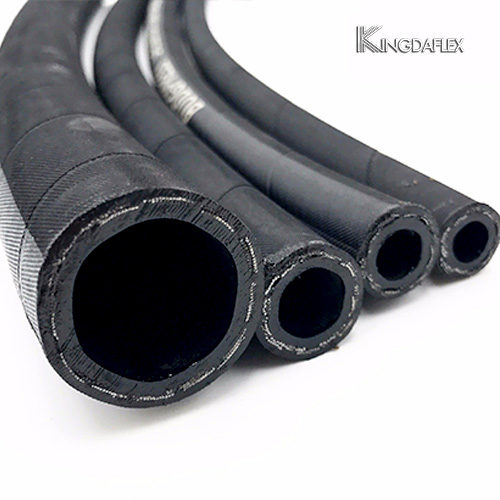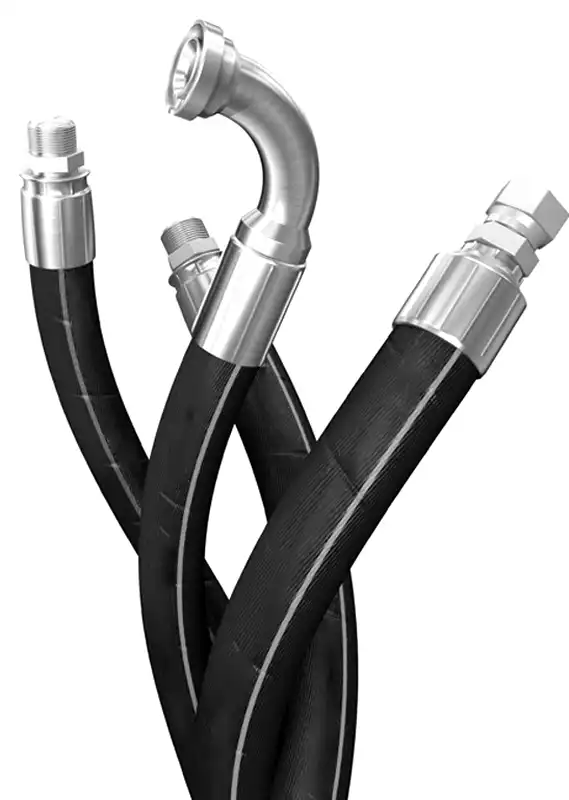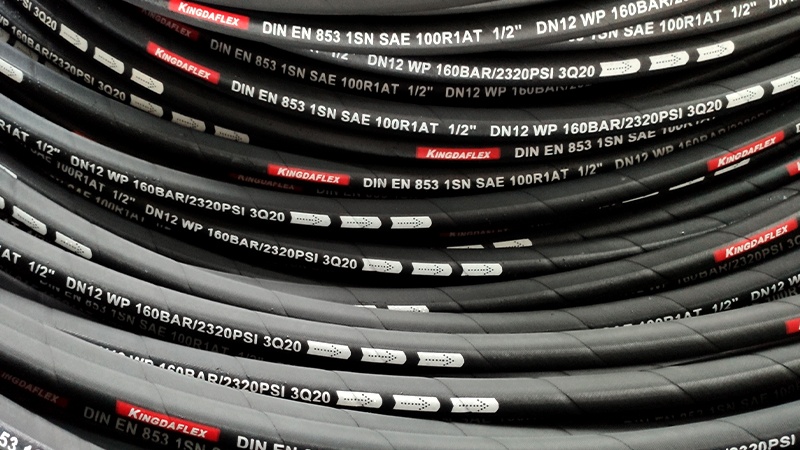
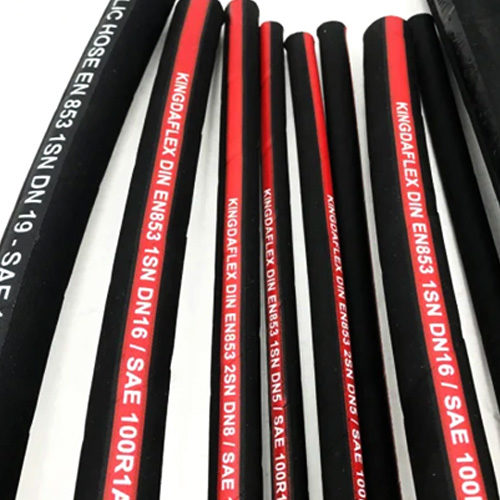
Importing hydraulic hoses from China is a strategic choice for businesses seeking cost-effective, high-quality solutions. China is home to numerous manufacturers offering a wide range of hydraulic hoses designed to meet international standards, making it an ideal sourcing hub for industries worldwide.
Understanding the import process is key to success. From finding reliable suppliers and negotiating contracts to ensuring compliance with customs regulations, every step matters. With proper planning and the right partner, importing hydraulic hoses from China can significantly reduce costs while maintaining performance and reliability.
Hydraulic Hose Market Trend

Hydraulic hoses are seeing steady global growth thanks to rising infrastructure investment, industrial automation, and demand in construction and agriculture. Innovations around material performance, sustainability, and smart monitoring are reshaping product offerings. Manufacturers are under pressure to deliver durability, compliance, and cost efficiency.
- Market Size & Growth Rate: The global hydraulic hose market is projected to reach about US$ 7.7 billion by 2028, growing at a CAGR of ~4.3% during 2023-2028.
- Segment Trends by Reinforcement & Pressure: Wired-braided hoses dominate in medium and high pressure uses; spiral-wired segments are rapidly growing for very high pressure applications.
- Material Innovation & Eco-friendly Features: Thermoplastics, synthetic rubbers, bio-based materials and recyclable composites are increasingly used to improve abrasion, chemical resistance and environmental profiles.
- Smart / Condition Monitoring: Demand is rising for hoses with built-in sensors, RFID tags, or other embedded tech that can monitor wear, pressure, or leaks and reduce maintenance downtime.
- Regional Growth Patterns: Asia-Pacific leads in production and demand, especially China and India, driven by infrastructure projects, industrialization, and agriculture. North America & Europe increasingly demand high spec hoses and innovation.
Resource Links / Reports for Hydraulic Hose Market Data
- “Hydraulic Hose Market is Forecasted to Reach US$ 7.7 Billion in 2028” – Stratview Research GlobeNewswire
- “Hydraulic Hose and Fittings Market Size” (GlobalGrowth Insights)
- “Hydraulic Hoses Market Size, Share | CAGR of 5.0%” – Market.us Market.us
How to Import Hydraulic Hose from China?
Importing hydraulic hoses from China requires planning, supplier research, and careful execution. From product selection to final delivery, each stage impacts cost, quality, and compliance. Following a structured process ensures smooth transactions and long-term success in hydraulic hose procurement.
Step 1: Define Your Requirements
Start by identifying the specifications of hydraulic hoses you need, such as pressure rating, size, material, and surface type. Clear requirements help narrow down potential suppliers and ensure the products meet your industry’s performance and safety standards.
Detailed specifications also prevent miscommunication and delays. By preparing technical drawings or datasheets, buyers can request precise quotations. Clear requirements allow manufacturers to match production capabilities, minimizing risks of product mismatches, costly reorders, or non-compliance with international quality standards.
Step 2: Research Reliable Suppliers
Look for hydraulic hose manufacturers with proven experience and certifications. Checking supplier directories, trade shows, and industry forums provides insight into reliability, product range, and specialization. Verified suppliers reduce risks in quality, communication, and delivery reliability.
Evaluating reviews, case studies, and references further strengthens supplier assessment. Comparing multiple manufacturers helps identify competitive pricing and quality assurance practices. This ensures selected suppliers align with your project’s requirements, reducing the likelihood of production delays or substandard hoses.
Step 3: Request Samples and Test Quality
Always ask for product samples before finalizing orders. Testing samples allows you to evaluate hose durability, pressure performance, and compatibility with hydraulic systems. This step builds confidence in product reliability and ensures hoses meet your operational standards.
Testing also provides practical evidence of manufacturer claims. Pressure tests, flexibility checks, and abrasion resistance evaluations highlight product strengths and weaknesses. By testing early, you prevent importing defective hoses, avoiding potential downtime and unexpected replacement costs.
Step 4: Negotiate Terms and Pricing
Discuss pricing, payment terms, and delivery schedules with shortlisted suppliers. Clear agreements reduce misunderstandings and help create cost-effective, mutually beneficial relationships. Negotiating bulk discounts and payment schedules ensures a smooth purchasing process.
Transparency in terms reduces disputes and increases trust. Buyers should compare offers from multiple suppliers to ensure competitive rates. Documenting agreed terms in written contracts safeguards both parties and provides legal clarity in case of disagreements or delivery problems.
Step 5: Ensure Certifications and Compliance
Confirm suppliers meet international standards such as ISO, SAE, or CE. Certification ensures hoses comply with safety and industry requirements, which is critical for avoiding costly rejections during customs clearance or end-user operations.
Buyers should verify documentation directly with certifying bodies if possible. Compliance not only guarantees performance but also builds trust with customers. Proper certification reduces liability risks, ensuring hydraulic hoses can be legally sold in local or global markets.
Step 6: Arrange Logistics and Shipping
Choose suitable shipping methods like sea freight for bulk orders or air freight for urgent needs. Reliable freight forwarders help manage customs paperwork and streamline shipping arrangements. Proper logistics planning minimizes delays and unexpected expenses.
Packaging quality also matters during transport. Hydraulic hoses should be protected from moisture, pressure, and mechanical damage. Coordinating with experienced logistics partners reduces risks of shipment damage and ensures orders arrive safely and on time.
Step 7: Understand Customs Regulations
Research your country’s import tariffs, duties, and documentation requirements. Preparing proper paperwork, including invoices, packing lists, and certificates, prevents customs delays and fines. Understanding regulations saves money and avoids unnecessary complications.
Working with customs brokers simplifies clearance. Brokers provide guidance on local regulations, ensuring all documents are correct. This step helps importers focus on operations instead of complex bureaucracy, streamlining the entire importing process.
Step 8: Monitor Production and Quality Control
Regular updates during production are essential. Request progress reports and conduct inspections through third-party agencies if necessary. Monitoring ensures hoses are manufactured according to agreed specifications.
Third-party inspections catch issues early, preventing large-scale defects. Tracking production also builds trust with suppliers, ensuring accountability. Quality control reduces risks of receiving faulty or unsafe hydraulic hoses, protecting long-term business reputation.
Step 9: Manage Payment and Documentation
Secure payment methods such as letters of credit or escrow reduce risks. Proper documentation ensures smoother transactions, protecting both buyer and seller. Maintaining organized records helps track costs and compliance.
Payments should be scheduled according to agreed milestones, such as deposit before production and balance after inspection. Clear documentation minimizes financial disputes, ensuring trust and confidence in the importing relationship.
Step 10: Plan After-Sales Support and Reorders
Establish communication channels for technical support, warranty claims, or replacement parts. A reliable supplier should offer ongoing assistance, helping resolve issues quickly and efficiently.
Planning reorders ensures uninterrupted supply for future projects. Building long-term partnerships with suppliers creates better terms, consistent quality, and priority service, making imports more sustainable and profitable.
Profitable Hydraulic Hose Types
-
SAE 100R14 / Teflon Hose(Inner Corrugated Tube) -
SAE 100R15 | Hydraulic Hose -
SAE 100R13 | Hydraulic Hose -
SAE 100R12 | 4 Wire Spiral Hydraulic Hose -
SAE 100R9 | Hydraulic Hose -
SAE 100R8 | Thermoplastic Hydraulic Hose -
SAE 100R7 | Thermoplastic Hydraulic Hose -
SAE 100R4 | Hydraulic Suction Hose -
SAE 100R3 Textile Fiber Reinforced Hydraulic Hose -
SAE 100R5 | Fabric Covered Hydraulic Hose -
SAE 100R17 | Hydraulic Hose -
SAE 100R16 | Hydraulic Hose -
SAE 100R2A / DIN EN853 2ST -
SAE 100R1A/DIN EN853 1ST -
SAE 100R2AT / DIN EN853 2SN -
SAE 100R1AT/ DIN EN853 1SN
Profitable hydraulic hose types are in high demand across industries due to their durability, versatility, and essential role in fluid power systems. Choosing the right types ensures better performance, lower maintenance, and higher business profitability, making them excellent investments for distributors and suppliers.
- High-Pressure Hydraulic Hoses – These hoses handle extreme pressure in heavy-duty machinery. They are widely used in construction, mining, and agriculture, making them profitable for suppliers due to consistent demand and long-term replacement needs in high-wear environments.
- Wire-Braided Hydraulic Hoses – Known for strength and flexibility, wire-braided hoses are ideal for medium- to high-pressure systems. Their versatility across industries like transportation and logistics ensures strong profitability for businesses looking to serve a wide range of customers.
- Wire-Spiral Hydraulic Hoses – Designed for ultra-high pressure and rugged conditions, these hoses excel in mining, drilling, and heavy equipment. Their robust construction and specialized applications allow suppliers to command higher margins while ensuring consistent demand from industrial buyers.
- Thermoplastic Hydraulic Hoses – Lightweight and resistant to chemicals, these hoses serve applications where rubber may degrade. They are particularly profitable in niche sectors like aerospace, medical, and chemical industries, where reliability and specialty products fetch higher prices.
- Flexible Rubber Hydraulic Hoses – Popular for their balance of affordability, flexibility, and strength, rubber hoses are in constant demand. Their broad usage in automotive, manufacturing, and agricultural equipment makes them one of the most profitable options for wholesalers and distributors.
- Compact Hydraulic Hoses – These hoses are smaller in diameter but highly efficient, saving space without compromising performance. Their growing demand in modern, compact machinery creates new profitability opportunities for suppliers catering to industries prioritizing efficiency and lightweight designs.
- Non-Conductive Hydraulic Hoses – Essential for electrical equipment and machinery, non-conductive hoses prevent accidents caused by electrical currents. Their safety applications make them a profitable niche, serving industries like utilities, maintenance, and high-voltage machinery operations where safety regulations are strict.
Hydraulic Hose Business Startup

Starting a hydraulic hose business requires planning, investment, and strong supplier connections. With rising demand in construction, agriculture, and manufacturing, entrepreneurs can build a profitable venture by following a step-by-step approach, from research and setup to marketing and customer service.
Step 1: Research Market Demand
Analyze industries using hydraulic hoses, including construction, mining, agriculture, and transportation. Researching demand helps identify opportunities and target markets. A clear understanding of customer needs provides a foundation for building a sustainable and profitable business.
Studying competitors is equally vital. Knowing who dominates the market, their pricing strategies, and product ranges allows new businesses to differentiate themselves. Offering unique value, such as better service or niche hoses, helps secure a competitive edge from the start.
Step 2: Create a Business Plan
A strong business plan outlines goals, investment requirements, and growth strategies. It acts as a roadmap, guiding decision-making and attracting investors or partners who can provide financial support for launching and scaling the hydraulic hose business.
The plan should cover product offerings, target industries, distribution channels, and financial forecasts. Including operational strategies ensures efficiency and helps prepare for challenges. A well-structured plan provides confidence for long-term sustainability and market competitiveness.
Step 3: Choose a Reliable Hydraulic Hose Supplier
Finding reliable suppliers ensures consistent product quality and availability. Importing hydraulic hoses from trusted manufacturers, especially in China, allows businesses to access cost-effective solutions that meet international standards and customer expectations.
Evaluating certifications, production capacity, and customer reviews helps narrow supplier choices. Establishing long-term partnerships with dependable manufacturers supports continuous supply, competitive pricing, and confidence in product performance. This step builds the foundation for sustainable growth.
Step 4: Register Your Hydraulic Hose Business
Legal registration is essential for legitimacy. Choosing the right business structure, obtaining licenses, and meeting compliance requirements ensures smooth operations and builds trust with customers, suppliers, and financial institutions.
Registering also enables tax compliance and brand protection. With official recognition, your business can access financing, government support, and contracts, creating opportunities for expansion and credibility in competitive markets.
Step 5: Set Up Inventory and Equipment
Stocking hydraulic hoses in various sizes and specifications helps meet customer demand quickly. A proper inventory system prevents shortages, reduces delays, and ensures businesses can serve diverse industries effectively.
Equipping workshops with crimping machines, cutting tools, and testing equipment enhances service offerings. Providing hose assembly or repair services adds value and attracts loyal customers while generating additional revenue streams.
Step 6: Build a Skilled Team
Hiring skilled technicians and sales staff is critical for business success. Employees should have technical knowledge of hydraulic hoses and the ability to deliver excellent customer service. Training ensures consistent quality and safety in daily operations.
A strong team improves customer satisfaction and supports long-term relationships. Skilled technicians handle repairs and assembly, while sales teams generate leads. Together, they create a professional image that attracts repeat clients and new opportunities.
Step 7: Develop Marketing Strategies
Effective marketing introduces your brand to the right audience. Online promotion, trade fairs, and partnerships with distributors spread awareness about your hydraulic hose products and services. Marketing creates visibility and builds credibility in the marketplace.
Digital platforms like websites, social media, and online ads expand reach. Sharing technical knowledge through blogs or videos establishes authority. A strong marketing strategy ensures steady customer engagement and consistent sales growth.
Step 8: Offer Value-Added Services
Providing hose assembly, repair, or on-site maintenance adds value beyond product sales. Customers appreciate convenience, reliability, and expertise, leading to stronger relationships and repeat business.
Value-added services also boost profitability. By offering tailored solutions, businesses can differentiate themselves from competitors, increasing customer loyalty and overall revenue potential in competitive hydraulic markets.
Step 9: Manage Finances Carefully
Tracking expenses, profits, and cash flow keeps businesses stable. Proper accounting systems prevent losses and ensure funds are available for growth investments like inventory, staff, or marketing.
Financial management also involves pricing strategies. Setting competitive yet profitable prices builds trust while sustaining margins. Smart financial planning ensures resilience and long-term success.
Step 10: Focus on Customer Service
Customer satisfaction is vital for growth. Quick response times, technical support, and after-sales service create trust and encourage repeat purchases. Happy customers also spread positive word-of-mouth, attracting more business.
Listening to feedback helps refine products and services. Addressing issues promptly builds loyalty and improves brand reputation. A customer-focused approach drives continuous improvement and competitive advantage in the hydraulic hose market.
Conclusion
Importing hydraulic hoses from China provides businesses with access to competitive pricing, diverse product options, and consistent quality. By working with trusted suppliers, companies can streamline procurement and reduce risks, ensuring smooth operations across industrial and automotive applications.
Kingdaflex is your reliable partner for wholesale hydraulic hoses from China. We manufacture durable hoses that meet global standards, offering solutions tailored to diverse industries. With our experience and commitment to quality, we help businesses secure cost-effective products without compromising safety or efficiency.
For wholesale hydraulic hoses, choose Kingdaflex as your trusted supplier. Our wide product range, competitive prices, and reliable delivery ensure long-term value. Contact us today to simplify your import process and get the best hydraulic hoses for your business needs.