
Hook and loop velcro sleeves for hose protection, cable management, and wire bundling. Designed for easy installation, repeated opening and closing, and reliable abrasion protection. Custom sizes, materials, colors, and OEM supply are available for industrial and commercial applications.
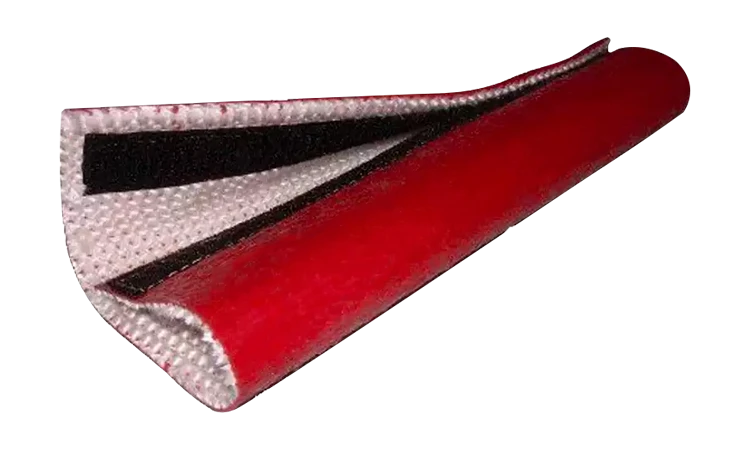
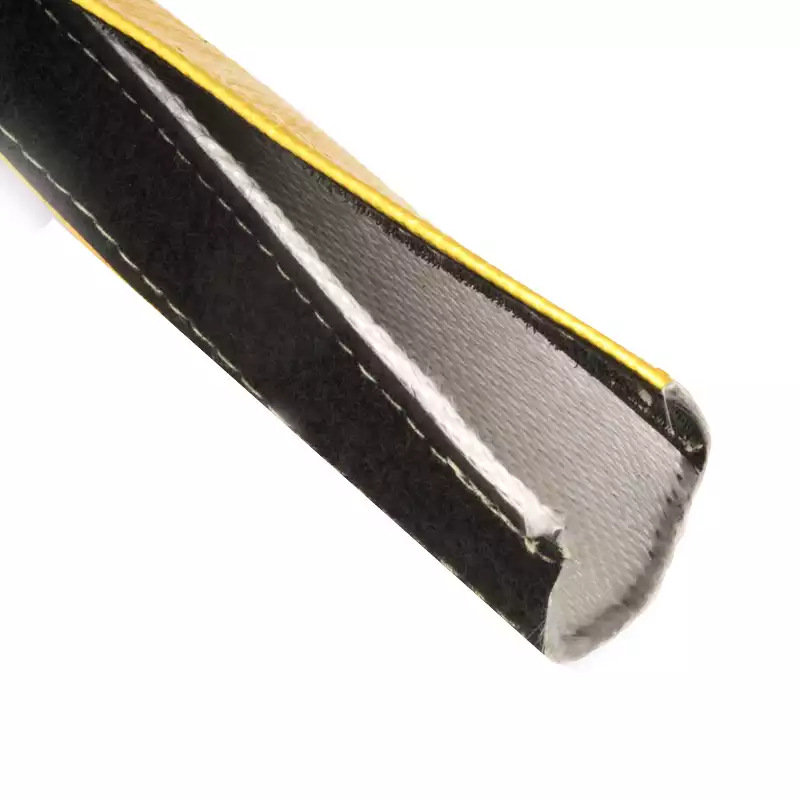
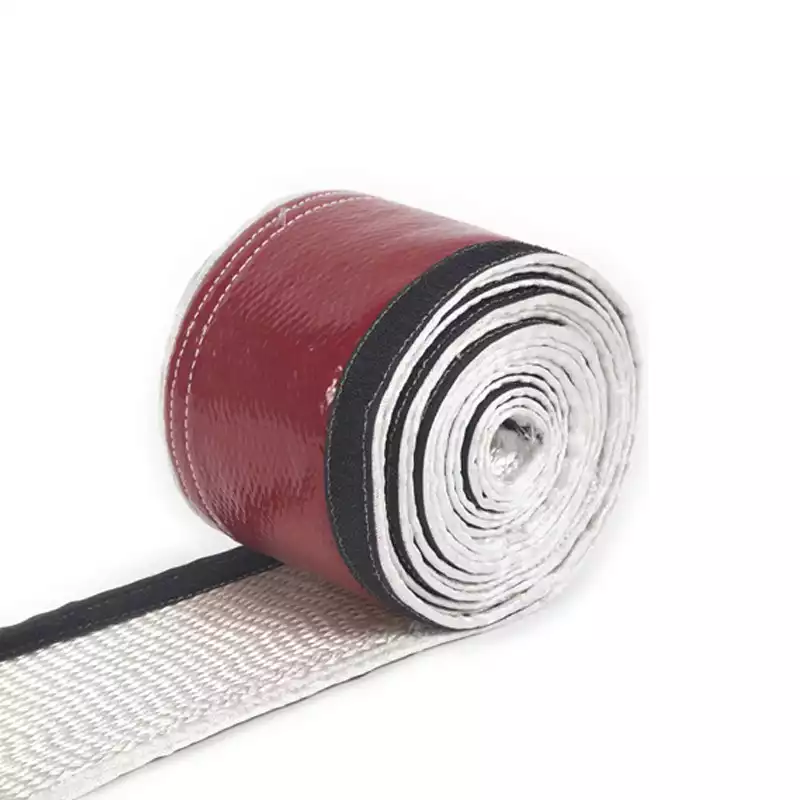
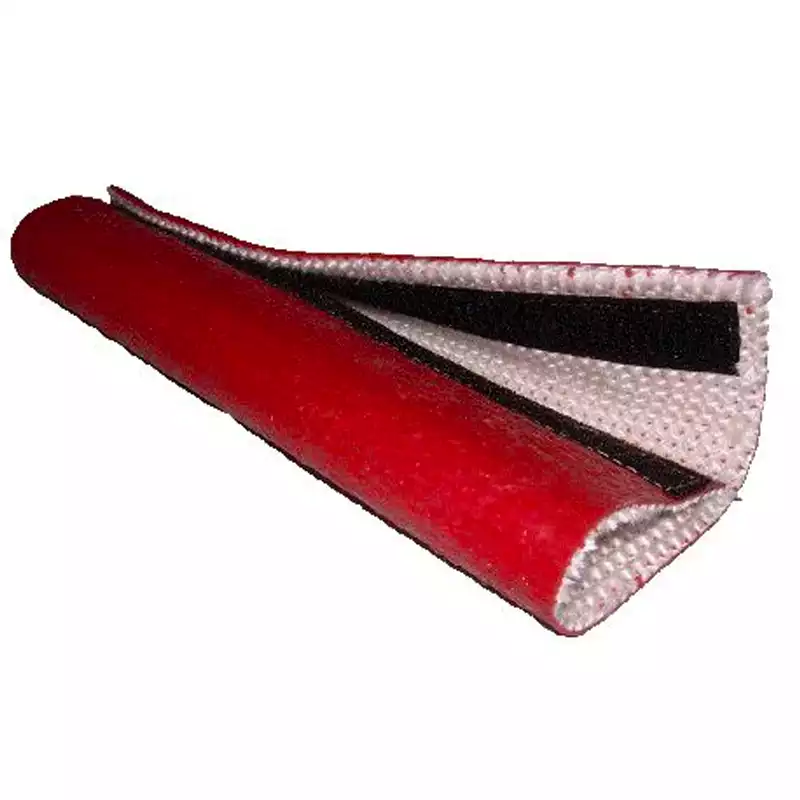
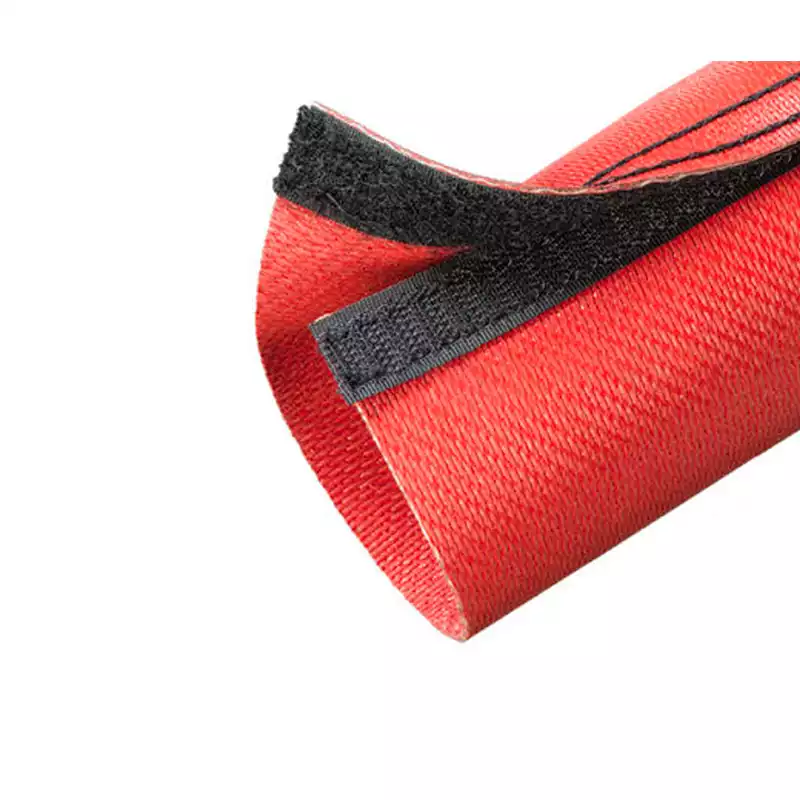
Velcro sleeve is a protective wrap with a hook and loop closure, designed for organizing and protecting cables, wire harnesses, hydraulic hoses, and other bundled components. Unlike closed sleeves, it can be installed or removed quickly without disconnecting fittings or disassembling equipment, making it a practical choice for systems that require frequent inspection, maintenance, or later modifications.
Hook and loop velcro sleeve helps improve cable and hose management while providing added abrasion protection in daily use. It is widely used in industrial equipment, hydraulic systems, electrical installations, commercial spaces, and other applications where flexibility, convenience, and easy access are important.
Wraps around hoses or cables quickly without disconnecting fittings or removing existing assemblies.
Hook and loop closure allows repeated opening, closing, adjustment, and easier routine maintenance.
Helps reduce surface wear caused by friction, movement, and contact in demanding working environments.
Keeps hoses organized for cleaner routing and better system management.
Available in standard, abrasion-resistant, and heat-resistant materials for different application requirements.
Custom sizes, colors, materials, and packaging options support OEM projects and bulk industrial supply.
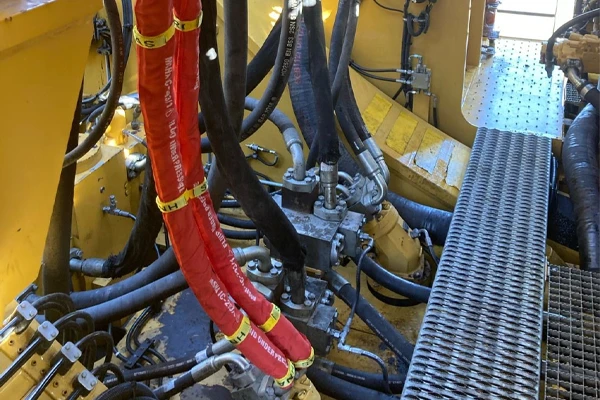
Used to wrap hydraulic hoses for better abrasion protection, cleaner bundling, and easier maintenance in equipment exposed to friction, movement, and demanding working conditions.
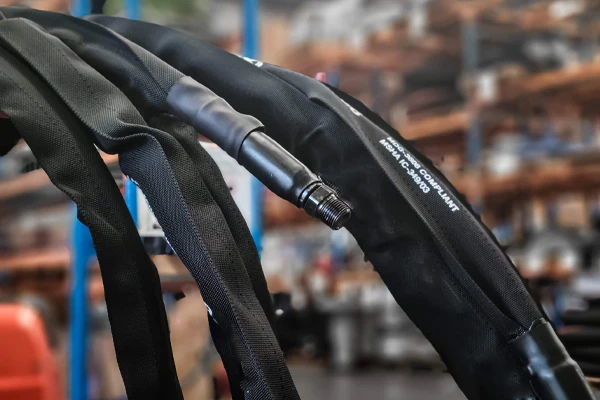
Ideal for machinery, factory systems, and mechanical equipment that require quick sleeve installation, hose protection, and easier inspection during routine service.
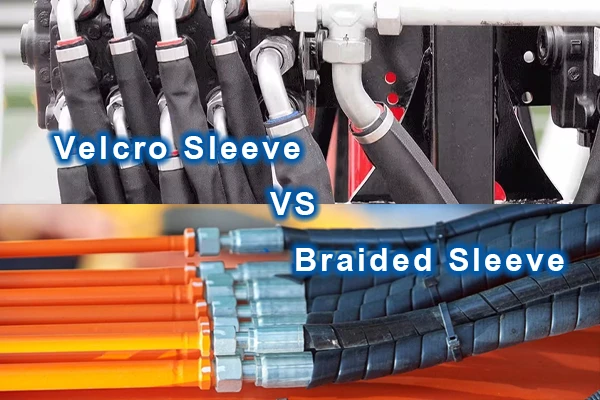
Velcro sleeve and braided sleeve are both used for hose protection, but they are designed for different installation and maintenance needs. Velcro sleeve is better for applications that require quick installation, repeated opening and closing, and easy access for inspection or replacement. Braided sleeve is more suitable when a tighter, cleaner, and more permanent covering is preferred for hose assemblies. Choosing the right type depends on whether your project values maintenance convenience or a more compact overall appearance.
| Item | Velcro Sleeve | Braided Sleeve |
|---|---|---|
| Installation | Wrap-around design for fast installation without disconnecting fittings or cables | Usually installed by feeding cables or hoses through the sleeve |
| Reusability | Easy to open, close, and reuse multiple times | Less convenient for repeated removal and reinstallation |
| Maintenance Access | Allows quick access for inspection, repair, or cable changes | More suitable for stable assemblies with less frequent maintenance |
| Protection Style | Flexible outer wrap for bundling and surface protection | Close-fitting sleeve for neat and compact coverage |
| Best Use Scenario | Best for hydraulic hoses, cable management, and systems needing easy maintenance | Best for wire bundles and assemblies requiring a tighter finished appearance |
Custom sleeve widths and lengths are available to match different hose sizes, and installation requirements.
Different material options can be arranged for standard use, abrasion resistance, or higher temperature working environments.
We support private label supply with custom branding, logo printing, and product presentation for your own market line.
Packaging can be adjusted based on retail, wholesale, export, or project delivery requirements for easier handling and display.
Velcro sleeve is mainly used for hose protection, hose bundling, and easier maintenance access in hydraulic and industrial systems. With its hook and loop closure design, it can be wrapped directly around the outside of hoses without removing fittings or disconnecting the assembly. This makes it especially practical for equipment that needs regular inspection, service, or hose replacement.
In daily use, velcro sleeve helps keep multiple hoses organized, reduces rubbing between hose lines, and provides an extra layer of outer surface protection against abrasion and wear. For customers working with hydraulic hose assemblies, it is often chosen because installation is faster and more convenient than closed protective sleeves.
The main difference is in installation method, maintenance convenience, and application purpose. Velcro sleeve has a wrap-around structure with hook and loop closure, so it can be installed quickly on existing hose assemblies without disconnection. This is useful when hoses are already mounted on equipment or when regular inspection is required.
Braided sleeve, by comparison, is usually a closed tubular structure that the hose must pass through during assembly. It gives a tighter and cleaner overall covering, but it is less convenient when the hose needs to be removed, replaced, or checked frequently.
For hydraulic hose protection, velcro sleeve is often the better choice when easy installation and service access are important, while braided sleeve is more suitable for fixed assemblies where a close-fitting protective cover is preferred.
Yes. Velcro sleeve is a practical solution for hydraulic hose protection, especially in systems where hoses are exposed to friction, movement, or contact with nearby components. It can be wrapped around single hoses or grouped hose lines to improve organization and reduce surface wear caused by rubbing during operation.
Because it does not require removing hose fittings, it is particularly useful for retrofitting protection onto existing hydraulic systems. In many industrial, construction, and mobile equipment applications, velcro sleeve is used to improve hose management and add abrasion protection in areas where hoses move or vibrate during service. It is not intended to replace the pressure-bearing hose structure itself, but it does provide valuable external protection and easier maintenance handling.
Yes. One of the biggest advantages of velcro sleeve is its reusable closure design. The hook and loop structure allows the sleeve to be opened, adjusted, and closed again multiple times, which makes it suitable for equipment that requires regular maintenance, hose inspection, or replacement work. If the routing of the hose assembly changes, the sleeve can also be repositioned more easily than many closed protective covers. This saves installation time and reduces waste during servicing.
For distributors and end users, reusability is also an important practical benefit because the sleeve can continue to be used even after routine system adjustments or part replacement, as long as the sleeve remains in good working condition.
Yes. We can provide customization for width, length, and color based on different hose sizes, protection requirements, and market preferences. Custom width helps match different hose diameters or hose bundles, while custom length supports both short protective sections and longer wrap applications.
Color customization can also be useful for product identification, market positioning, or project-based requirements. In addition to size and color, OEM projects may also involve material selection, packaging adjustments, and private label support.
This kind of flexibility is valuable for distributors, equipment manufacturers, and project buyers who need products that fit their own technical standards or branding needs rather than only standard stock specifications.
Yes. Heat-resistant velcro sleeve is available for hose protection in higher-temperature environments. This type of sleeve is designed for applications where hoses may be exposed to elevated external heat, radiant heat, or more demanding operating conditions than standard abrasion-only protection can handle.
It is commonly considered for hydraulic hose routing near engines, hot machinery, or industrial equipment where added thermal shielding is helpful.
Its main purpose is to help protect the outer surface of hoses in hotter working areas while still keeping the benefits of wrap-around installation and convenient maintenance access. For specific projects, the suitable material and temperature level should be confirmed according to the actual application conditions.