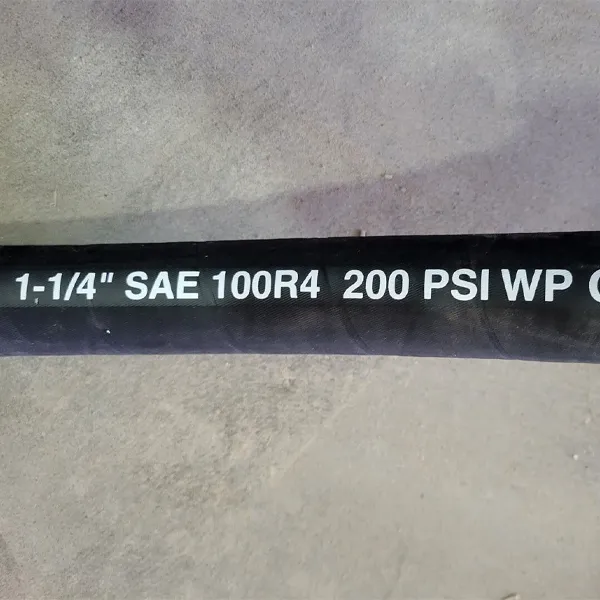
Chemical hoses play a critical role in industrial fluid transfer, ensuring the safe and efficient handling of corrosive, abrasive, and hazardous substances. From chemical processing plants to pharmaceuticals and manufacturing facilities, choosing the right hose material directly impacts operational safety, system reliability, and long-term costs.
Among the most commonly used options, XLPE and PVC chemical hoses stand out for their versatility and availability. However, while they may appear similar at first glance, their performance characteristics differ significantly in terms of temperature resistance, pressure capability, chemical compatibility, and service life.
Understanding XLPE Chemical Hoses
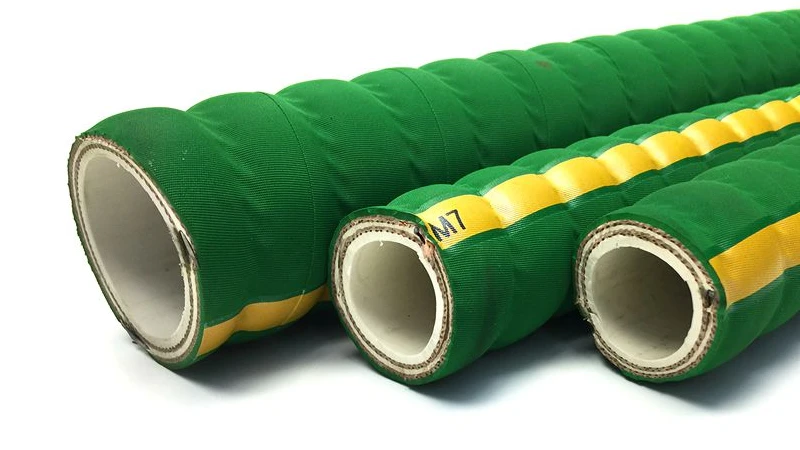
What is XLPE?
XLPE stands for Cross-Linked Polyethylene, a thermoset polymer created by chemically bonding polyethylene molecules into a three-dimensional network. This cross-linking process significantly enhances the material’s mechanical strength, thermal stability, and chemical resistance compared to standard thermoplastics.
In chemical hose manufacturing, XLPE is widely used as an inner tube material because it maintains its structural integrity under high temperatures, elevated pressures, and aggressive chemical exposure. Unlike conventional plastics, XLPE does not soften or deform easily when exposed to heat, making it highly reliable for continuous industrial fluid transfer applications.
Key Benefits of XLPE Chemical Hoses
One of the primary advantages of XLPE chemical hoses is their excellent temperature resistance, typically ranging from -40°C to 95°C, with higher short-term tolerance depending on hose construction. This makes them suitable for handling hot chemicals and temperature-sensitive processes.
XLPE also offers outstanding chemical resistance, performing well against strong acids, alkalis, solvents, and hydrocarbons. Its low permeability helps prevent chemical absorption and contamination.
In addition, XLPE chemical hoses are designed to handle medium to high working pressures, especially when reinforced with textile or steel wire layers. Combined with superior aging resistance, this results in a long service life and reduced maintenance requirements, even in demanding industrial environments.
Understanding PVC Chemical Hoses
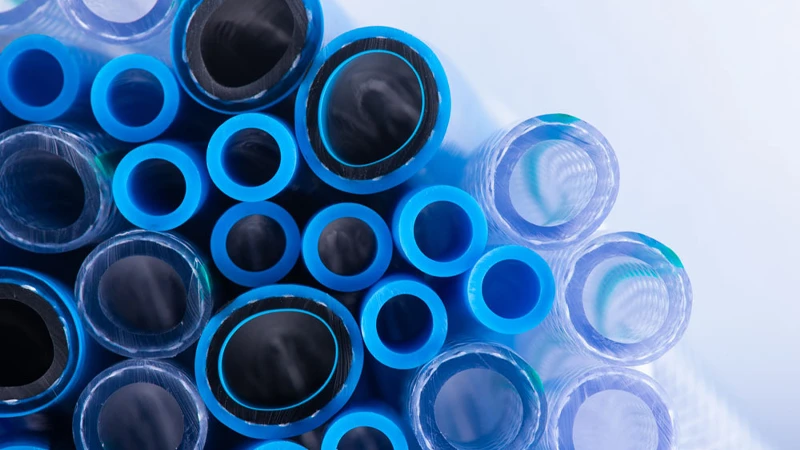
What is PVC Chemical Hose?
PVC chemical hoses are manufactured using polyvinyl chloride (PVC) as the primary inner tube material. PVC is a thermoplastic polymer known for its flexibility, lightweight structure, and ease of processing, which makes it one of the most widely used materials for general-purpose chemical hose applications.
Due to its inherent softness and adaptability, PVC can be easily reinforced with textile yarns or spiral wires to improve pressure performance. PVC chemical hoses are commonly used for transferring water-based chemicals, diluted acids, and non-aggressive fluids. Their lightweight nature also makes them suitable for portable systems and applications where frequent handling or repositioning is required.
However, as a thermoplastic material, PVC is sensitive to heat and may soften or lose strength when exposed to elevated temperatures for extended periods.
Key Benefits of PVC Chemical Hoses
One of the main advantages of PVC chemical hoses is their cost-effectiveness. Compared to rubber-based hoses such as XLPE, PVC hoses offer a lower initial investment, making them ideal for budget-sensitive or short-term projects.
PVC hoses also provide adequate resistance to mild acids and alkalis, which is sufficient for many light industrial and commercial applications. Their lightweight construction allows for easy installation, transportation, and handling, reducing labor effort during setup and operation.
That said, PVC chemical hoses have clear limitations in temperature and pressure resistance. They are best suited for low-pressure systems and moderate operating conditions where extreme heat or aggressive chemicals are not present.
XLPE vs PVC – Side-by-Side Comparison
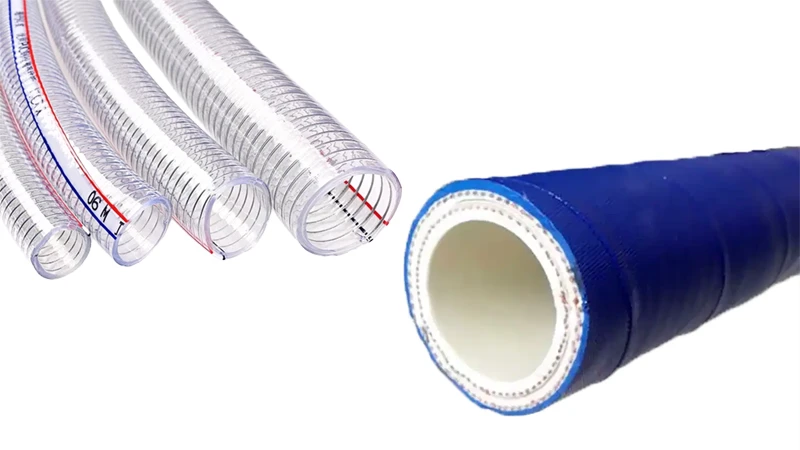
While both XLPE and PVC chemical hoses are widely used in industrial fluid transfer, their performance differs significantly under demanding operating conditions. Understanding these differences is essential for selecting the right hose for safety, efficiency, and long-term cost control.
Temperature Resistance
XLPE chemical hoses are designed to perform reliably across a wide temperature range, typically from -40°C to 95°C, with higher short-term tolerance depending on hose construction. The cross-linked molecular structure prevents softening or deformation, even when transferring hot chemicals or exposed to elevated ambient temperatures.
PVC chemical hoses, by contrast, have a much narrower temperature range. As a thermoplastic material, PVC begins to soften when exposed to heat, which can lead to deformation, reduced pressure capacity, and premature failure. For applications involving sustained heat, PVC is generally not recommended.
Pressure Handling
XLPE hoses are well-suited for medium to high-pressure applications, especially when reinforced with textile cords or steel wire. Their structural stability allows them to maintain performance under fluctuating pressures and continuous industrial operation.
PVC chemical hoses are typically used in low-pressure systems. Although reinforcement can improve strength, PVC hoses remain more vulnerable to pressure spikes, mechanical stress, and external impact.
Chemical Resistance
XLPE offers excellent chemical compatibility, resisting a wide range of aggressive media including strong acids, alkalis, solvents, and hydrocarbons. This makes it a preferred choice for chemical processing, petrochemical, and industrial transfer applications.
PVC hoses perform adequately with mild acids, alkalis, and water-based chemicals, but prolonged exposure to aggressive or concentrated chemicals may cause swelling, hardening, or material degradation.
Durability and Lifespan
Thanks to its resistance to aging, UV exposure, and chemical permeation, XLPE chemical hoses deliver a longer service life with reduced maintenance requirements.
PVC hoses are more prone to aging and environmental damage, particularly in outdoor, high-temperature, or chemically aggressive environments.
Cost Considerations
PVC hoses have a lower initial purchase cost, making them suitable for light-duty or short-term use. XLPE hoses require a higher upfront investment, but their durability and reliability often result in lower total lifecycle costs over time.
Practical Applications – Which Hose Should You Choose?
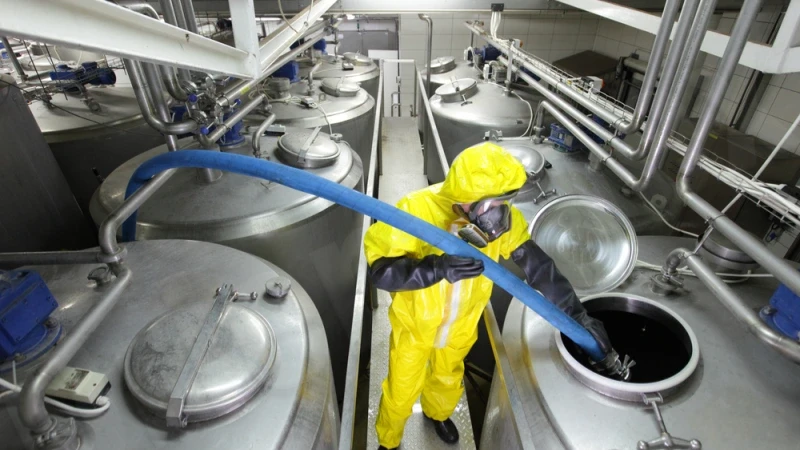
Choosing between XLPE and PVC chemical hoses ultimately depends on the operating conditions, chemical media, and performance expectations of your application. Each material is designed to solve different industrial challenges.
When to Choose XLPE Hoses
XLPE chemical hoses are the preferred solution for high-temperature, high-pressure, and highly corrosive environments. They are commonly used in chemical processing plants, petrochemical facilities, and pharmaceutical manufacturing, where safety and reliability are critical.
If your application involves transferring concentrated acids, alkalis, solvents, or hydrocarbons, XLPE provides superior chemical resistance and low permeability, reducing the risk of hose failure or contamination. XLPE hoses are also ideal for continuous operation, elevated ambient temperatures, and outdoor installations where long service life and resistance to aging are required.
In short, XLPE hoses are best suited for demanding industrial applications where performance, durability, and long-term cost efficiency are more important than initial purchase price.
When to Choose PVC Hoses
PVC chemical hoses are well-suited for low-pressure, low-temperature, and mildly corrosive applications. They are widely used in food processing, light industrial operations, and laboratory environments where chemicals are less aggressive and operating conditions are controlled.
Their lightweight construction makes PVC hoses easy to handle and install, especially in portable or short-term setups. For applications involving water-based fluids, diluted acids, or non-hazardous chemicals, PVC offers a cost-effective and practical solution.
PVC hoses are ideal when flexibility, ease of use, and budget considerations take priority over extreme performance requirements.
Maintenance and Safety Tips for Chemical Hoses
Proper maintenance and safe operation are essential to maximizing the service life of both XLPE and PVC chemical hoses, while minimizing the risk of leakage or failure.
Regular inspections should be carried out to check for cracks, swelling, discoloration, or surface wear, especially around fittings and high-stress areas. Any signs of chemical attack or mechanical damage should be addressed immediately.
Always ensure the hose is operated within its rated temperature and pressure limits. Exceeding these limits—particularly with PVC hoses—can significantly reduce hose lifespan and compromise safety. Avoid sharp bending, twisting, or dragging hoses across abrasive surfaces during use.
After operation, hoses should be properly drained and cleaned to prevent chemical residue buildup. Store hoses in a cool, dry environment away from direct sunlight or ozone sources to reduce aging. Following these basic maintenance practices helps ensure safe operation and long-term performance in chemical transfer applications.
Conclusion – Making the Right Choice
Choosing between XLPE and PVC chemical hoses is not simply a matter of cost—it is a decision that directly affects safety, performance, and long-term operating efficiency.
XLPE chemical hoses are the optimal choice for high-temperature, high-pressure, and chemically aggressive environments, offering superior durability, chemical resistance, and service life. They are best suited for demanding industrial applications where reliability and safety are critical.
PVC chemical hoses, on the other hand, provide a cost-effective and lightweight solution for low-pressure, low-temperature, and mildly corrosive applications. When used within their design limits, they deliver practical performance for light-duty operations.
By carefully evaluating your operating conditions, chemical media, and performance requirements, you can select the hose material that delivers the best balance between upfront cost and long-term value. Working with Kingdaflex can further ensure the right solution for your specific application.