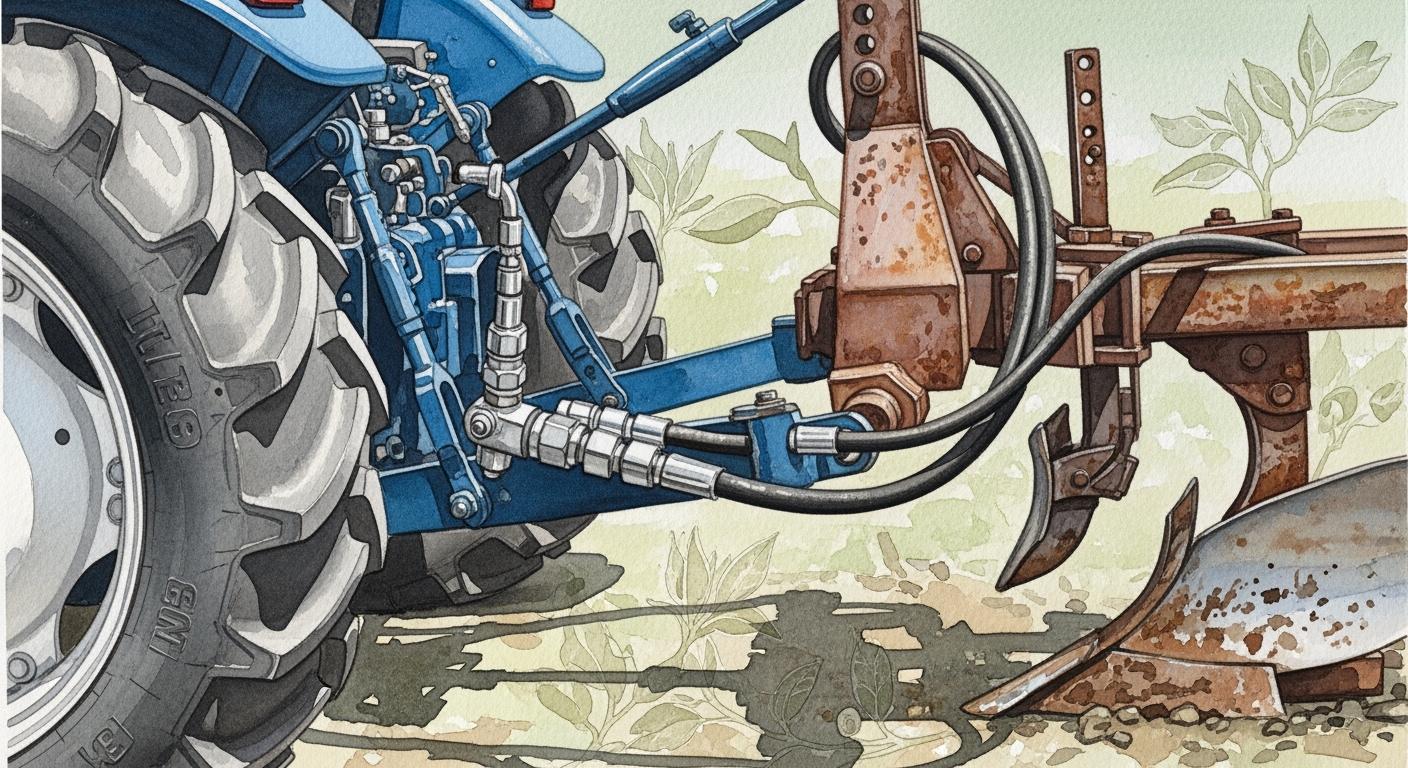
In hydraulic systems, not every hose is designed to transmit high-pressure power. Some hoses are responsible for something more precise and equally important: control. A pilot hose, also known as a hydraulic pilot hose or pilot line hose, is a small-bore hose used to transmit low-pressure control signals within hydraulic circuits. While it does not carry the main working flow that drives actuators, it plays a critical role in controlling valves, pumps, and directional systems.
Understanding how pilot hoses function, how they differ from standard hydraulic hoses, and how to select the correct type is essential for engineers, equipment manufacturers, and maintenance professionals working with mobile and industrial hydraulic systems.
What Is a Pilot Hose in Hydraulic Systems?
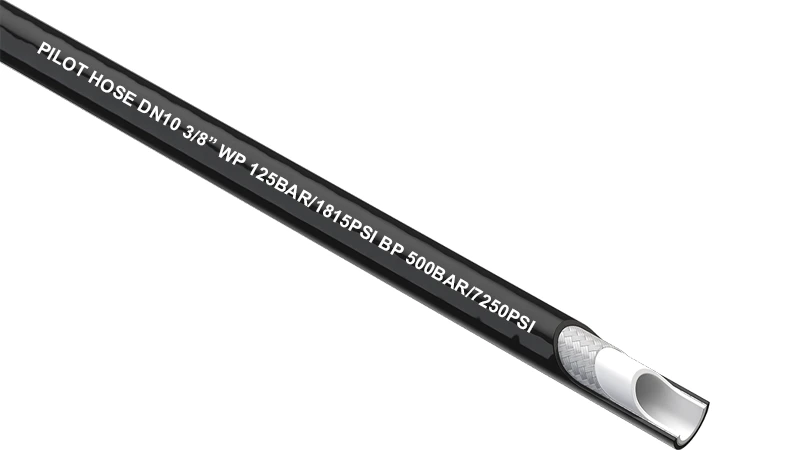
A pilot hose is a low-pressure hydraulic hose designed to carry control pressure rather than main hydraulic power. In a typical hydraulic system, high-pressure hoses deliver fluid to cylinders or motors to generate force and motion. By contrast, pilot hoses transmit smaller volumes of pressurized fluid to operate control valves or pilot-operated components.
Because pilot lines control the opening, closing, or modulation of valves, their reliability directly affects system responsiveness and safety. If a pilot hose fails or leaks, the hydraulic system may lose control accuracy or become unstable.
Hydraulic pilot hoses are commonly used in excavators, loaders, cranes, drilling rigs, and other mobile equipment where precise valve control is required. They are also found in industrial machinery where pilot-operated pressure reducing valves, relief valves, and proportional control systems are installed.
How Does Pilot Pressure Work in Hydraulics?
Pilot pressure refers to a controlled, relatively low hydraulic pressure used to operate a valve or control device. Instead of manually shifting a large directional valve with mechanical force, hydraulic systems often use pilot pressure to assist or fully control valve movement.
In a pilot-operated system, a small amount of fluid at a lower pressure is directed to a control chamber. This pressure acts on a piston or spool, enabling the main valve to open or close with significantly less manual or mechanical effort. Typical pilot pressure ranges vary depending on system design, but they are generally much lower than main line pressure.
For example, in heavy construction equipment, the main hydraulic system may operate at pressures exceeding 200 bar, while pilot lines function at much lower control pressures. Despite the lower pressure, stability and consistency are critical. Fluctuations in pilot pressure can result in delayed response, unstable movement, or improper valve positioning.
This is why the design and integrity of hydraulic pilot hoses are essential for accurate control performance.
Pilot Hose Structure and Materials
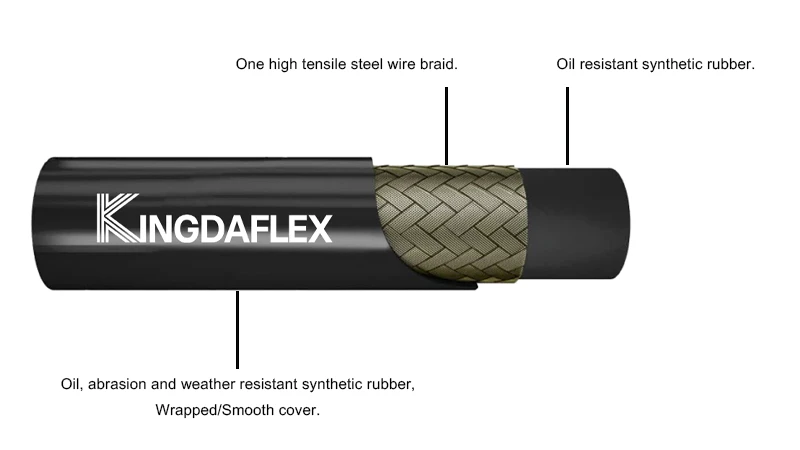
Although pilot hoses handle lower pressures than main hydraulic hoses, they are engineered for durability and reliability. Their structure typically consists of an inner tube, reinforcement layer, and outer cover, similar in principle to other hydraulic hoses but optimized for flexibility and small diameters.
Inner Tube Materials
The inner tube is commonly made from thermoplastic materials such as nylon or specialized synthetic rubber compounds. Thermoplastic pilot hoses are popular due to their lightweight construction, smooth internal surface, and chemical resistance. Rubber-based pilot hoses may be preferred in applications requiring enhanced flexibility or specific fluid compatibility.
Reinforcement Types
Reinforcement is generally achieved using textile braid or fiber reinforcement rather than steel wire braid. Because pilot hoses are not intended for high-pressure transmission, heavy steel reinforcement is unnecessary. Instead, textile reinforcement provides sufficient strength while maintaining flexibility and compact dimensions.
Outer Cover
The outer cover is designed to resist abrasion, UV exposure, oil contact, and environmental wear. In mobile machinery where hoses are routed through confined spaces, abrasion resistance becomes especially important. Even though pilot hoses are small in diameter, they are often exposed to vibration, bending, and movement.
Pilot Hose vs Hydraulic Hose: What’s the Difference?
Understanding the distinction between a pilot hose and a main hydraulic hose is critical in system design. Although both are components of hydraulic circuits, their purpose, pressure capacity, and structural design differ significantly.
| Feature | Pilot Hose | Main Hydraulic Hose |
|---|---|---|
| Primary Function | Transmits control pressure signals | Transmits high-pressure hydraulic power |
| Typical Pressure | Low pressure control circuit | High-pressure working line |
| Flow Volume | Small signal flow | Large working flow |
| Reinforcement | Textile or fiber braid | Steel wire braid or spiral |
| Diameter | Small bore | Medium to large bore |
| Application | Control valves, pilot-operated systems | Cylinders, motors, actuators |
| Flexibility | High flexibility | Depends on reinforcement type |
A pilot hose carries low-volume hydraulic fluid used to shift spools and activate pilot-operated valves. In contrast, a standard hydraulic hose must withstand significantly higher internal pressure to deliver force to mechanical components. Because of these differences, pilot hoses are lighter, smaller, and more flexible.
Using a pilot hose in a high-pressure circuit is unsafe and can result in burst failure. Likewise, using a heavy high-pressure hose for pilot control lines may reduce system responsiveness and increase installation complexity.
Common Applications of Pilot Hoses
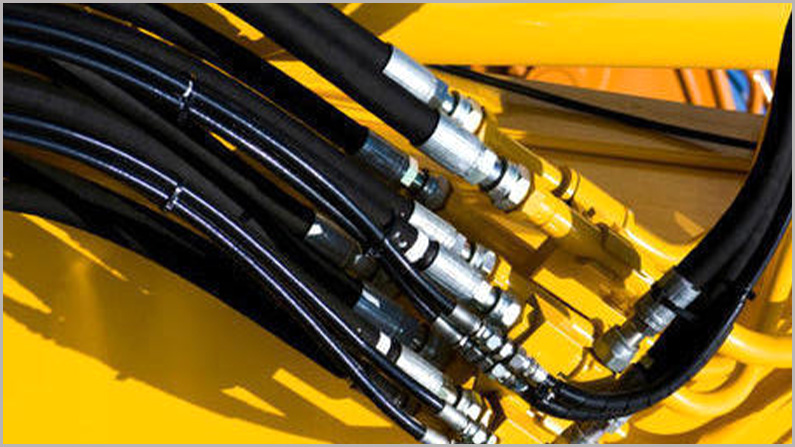
Hydraulic pilot hoses are widely used in mobile construction equipment. In excavators and loaders, pilot lines control directional valves that regulate boom, arm, and bucket movement. The operator’s joystick inputs are translated into pilot pressure signals that activate the main hydraulic system.
In cranes and lifting equipment, pilot hoses enable precise load positioning by controlling proportional valves. The responsiveness of the machine depends heavily on stable pilot pressure transmission.
Industrial hydraulic systems also rely on pilot hoses in pressure-reducing valves, relief valves, and sequence valves. These control circuits ensure smooth operation, protect components from overload, and maintain system efficiency.
In agricultural machinery, pilot hoses assist in steering systems, implement control circuits, and hydraulic attachment functions. Because these machines operate in outdoor and harsh environments, durability and abrasion resistance are essential considerations.
How to Choose the Right Hydraulic Pilot Hose
Selecting the appropriate hydraulic pilot hose requires careful evaluation of several operating factors. Even though pilot lines operate at lower pressure, incorrect selection can still result in premature failure.
Working pressure must always exceed the system’s pilot pressure requirements with an appropriate safety margin. Temperature range is equally important. Pilot hoses may be exposed to both ambient environmental temperatures and heated hydraulic fluid.
Flexibility and minimum bend radius should be evaluated based on installation routing. Tight bends or improper clamping can lead to internal stress and early cracking. Chemical compatibility with hydraulic fluids must also be confirmed to prevent degradation of the inner tube.
In mobile applications, abrasion resistance and vibration durability become key selection criteria. Hoses routed near metal structures or moving components require protective routing or reinforced outer covers.
FAQs About Pilot Hoses
What pressure does a pilot hose handle?
Pilot hoses are designed to handle low to moderate control pressures rather than high working pressures found in main hydraulic transmission lines. The exact pressure rating depends on hose construction, internal diameter, and reinforcement type. In most hydraulic systems, pilot pressure is significantly lower than the primary system pressure. However, despite operating at lower pressures, pilot hoses must still maintain structural integrity and stable pressure transmission.
Selecting a hose with adequate safety factor is essential to prevent deformation, leakage, or premature failure. Always verify manufacturer specifications for working pressure and burst pressure ratings before installation.
Can pilot hose be used as hydraulic hose?
No, a pilot hose should not be used as a substitute for a high-pressure hydraulic hose. Pilot hoses are engineered for signal transmission within control circuits, not for power transmission. They lack the heavy steel wire reinforcement required to withstand high working pressures. Using a pilot hose in a main hydraulic line can result in burst failure, safety hazards, and equipment damage.
Hydraulic system design depends on correct hose classification, and substituting hose types compromises reliability and operational safety.
What size is pilot hose?
Hydraulic pilot hoses are typically manufactured in small-bore sizes to match control line requirements. Because pilot circuits transmit low flow volumes, internal diameters are smaller than those of standard hydraulic hoses. Sizes are selected based on required flow rate, response time, and fitting compatibility.
Many manufacturers offer metric and inch-based dimensions, along with custom-length assemblies for equipment manufacturers. Selecting the correct size ensures proper signal transmission without pressure lag or instability in control valves.
Are pilot hoses made from thermoplastic or rubber?
Pilot hoses can be manufactured using thermoplastic materials, synthetic rubber compounds, or nylon-based constructions. Thermoplastic pilot hoses are widely used due to their lightweight structure, smooth internal surface, and strong chemical resistance. Rubber pilot hoses may provide enhanced flexibility in specific routing conditions.
Material selection depends on temperature range, environmental exposure, and fluid compatibility. In mobile equipment applications, abrasion resistance and flexibility are often key deciding factors.
What causes pilot hose failure?
Pilot hose failure is often caused by abrasion, improper routing, excessive bending, or vibration fatigue. Even though pilot circuits operate at lower pressure, continuous mechanical stress can weaken the hose structure over time. Exposure to incompatible hydraulic fluids or extreme environmental conditions may also degrade materials. Regular inspection and correct installation practices significantly reduce the risk of premature failure and ensure stable hydraulic control performance.
Conclusion
A pilot hose may appear small compared to high-pressure hydraulic hoses, but its role in hydraulic control systems is critical. By transmitting stable and accurate pilot pressure signals, hydraulic pilot hoses enable precise valve control and ensure safe, responsive equipment operation.
Understanding pilot pressure, hose structure, application requirements, and selection criteria helps engineers and equipment manufacturers optimize performance and reduce failure risk. Whether used in construction machinery, industrial hydraulic systems, or agricultural equipment, properly specified pilot hoses contribute directly to the efficiency and reliability of the entire hydraulic system.