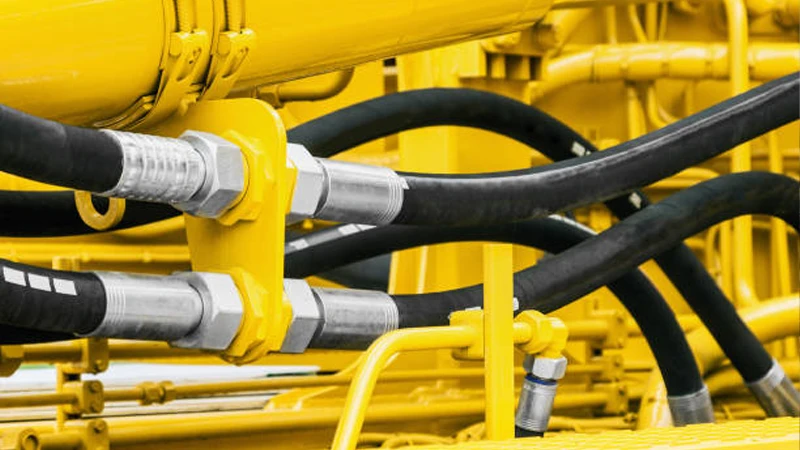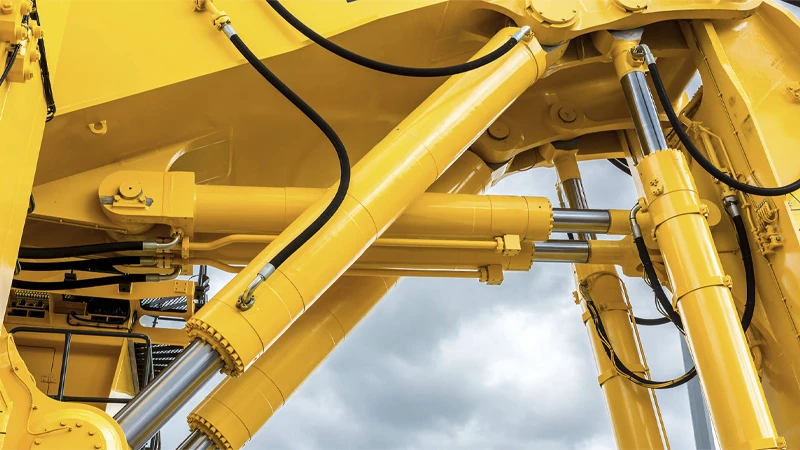
When you want the best hydraulic hoses for tractors and farm tools, three brands are important: Parker Hannifin, Gates, and Eaton. Parker Hannifin has 12% of the world’s hydraulic hose market. This means it is a strong company. You can trust these brands because they last long, handle high pressure, and fit your machines well. Picking the right hose is important. Good hoses and regular care can lower downtime by 45%. They can also stop 75% of breakdowns. The right hose keeps your tractor safe and helps it work better in the field.
Best Hydraulic Hoses for Tractors
Top Brands Overview
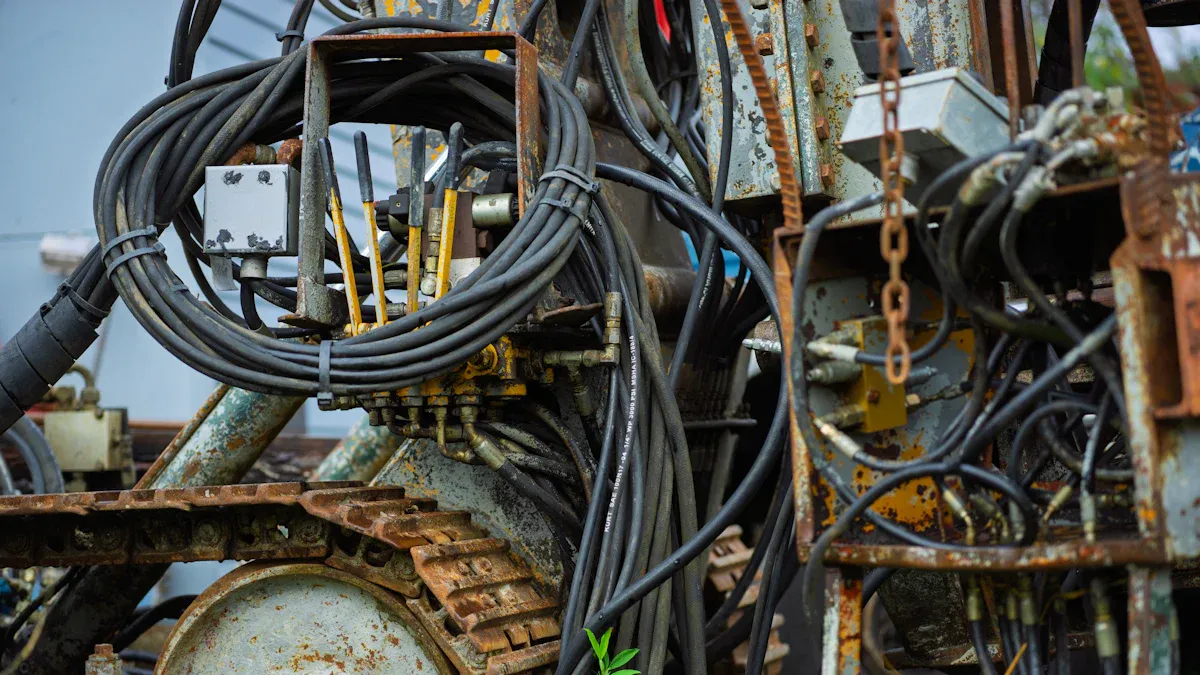
When you look for the best hydraulic hoses for your tractor, you want brands you can trust. Parker Hannifin, Gates, and Eaton lead the way in this field. These companies have built strong reputations for making hoses that last a long time and work well under tough conditions. You will find their products in many farm supply stores and equipment shops.
Parker Hannifin stands out because it offers a wide range of hoses for different machines. Gates is known for its focus on safety and innovation. Eaton brings reliable performance and easy access to replacement parts. All three brands offer strong customer support. If you have questions or need help, you can reach out to their teams for technical advice or training. This support helps you keep your equipment running safely and smoothly.
Recommended Models
You want the best hydraulic hoses for your tractor and farm implements. Here are some top models from each brand:
Brand | Model Example | Pressure Range | Notable Feature |
|---|---|---|---|
Parker Hannifin | 451TC | Up to 3,000 psi | Tough cover, flexible |
Gates | M2T MegaFlex | Up to 4,000 psi | High abrasion resistance |
Eaton | GH781 | Up to 4,000 psi | Compact, easy routing |
These models work well for most tractors and farm tools. You can use them for loaders, plows, and other hydraulic systems. You will find that these hoses fit many types of fittings and fluids. This makes them a smart choice for busy farms.
Tip: If you use your tractor every day, check your hoses often. Some users say their hoses last 25-30 years. Others have hoses that work for over 40 years if they take care of them. If you use your equipment for heavy jobs like landscaping, you might need to replace hoses more often.
Key Advantages
You get several benefits when you choose the best hydraulic hoses from these brands:
Strong abrasion resistance keeps your hoses safe from cuts and scrapes.
Wide pressure range means you can use them for many jobs, from light work to heavy lifting.
Easy to find at local stores or online, so you do not wait long for repairs.
Good after-sales support. If you have a problem, you can get help fast. Parker Hannifin, Gates, and Eaton all offer technical support and training. This makes your work safer and gives you peace of mind.
You want hoses that last. Many farmers report that their hoses last decades if they do not abuse them. If you pick the right hose and check it often, you can avoid most breakdowns. The best hydraulic hoses help your tractor work better and keep you safe in the field.
Hydraulic Hose Features for Tractors
Durability and Materials
You want your hydraulic hoses to last a long time. This is important if you use your tractor every day. The hose material matters a lot. Some hoses are made from rubber. Others use thermoplastic, Teflon, or stainless steel. Each material has its own good points. Look at this table to see how they are different:
Material | Properties |
|---|---|
Rubber | Good flexibility, strong, resists abrasion, oil, and weather. |
Thermoplastic | Lightweight, flexible, resists chemicals very well. |
Teflon | Resists chemicals, works in hot and cold. |
Stainless Steel | Handles high heat, resists rust. |
If you pick a hose that does not kink or twist, it lasts longer. It can last over 150% more. You will spend less time fixing hoses. You will have more time to work.
Flexibility and Installation
You need hoses that bend easily. They should not break when you bend them. Flexible hoses are easier to install. They fit into tight spaces on your tractor. Here is a table showing how much each hose can bend:
Hose Type | Minimum Bend Radius |
|---|---|
100R1 | 3 in. |
100R2 | 25 in. or more |
100R17 | 1.5 in. or less |
A hose that bends well will not kink or crack. It stays strong even when you move your equipment a lot.
Pressure Ratings
You must pick a hose with the right pressure rating. It should match your system. The hose also needs to handle sudden pressure jumps without breaking.
Make sure your hose can handle the highest pressure.
Do not use fittings with lower pressure than your hose.
Bigger hoses sometimes have lower pressure ratings.
If you want the Best Hydraulic Hoses, check the pressure rating before you buy.
Compatibility and Sizing
Your hoses and fittings must match in size. If you use the wrong size, you may get leaks. You could lose pressure or break your system. Here is what can happen:
Leaks and wasted fluid
Pressure drops that stop your tools
Extra wear and tear on your system
Overheating and damage to your tractor
Most tractors use SAE sizing standards. If you follow these, you will avoid most problems. Your equipment will stay safe.
Choosing the Right Hydraulic Hose
Application Assessment
You need a hydraulic hose that fits your tractor’s needs. First, think about how you use your tractor. Does your tractor work in hot or cold places? Do you use special fluids? Do you need a hose that bends a lot? Here are some things to check:
Pressure ratings
Temperature ranges
Fluid compatibility
Hose size
Material composition
Fittings
Industry standards
Picking the right hydraulic hose is not just about what is available. It is important for safety and how well your tractor works.
Temperature and fluid type are very important. If you choose the wrong hose, it can break quickly. Always make sure the hose material can handle the chemicals and heat you use. This keeps your system strong and stops leaks.
Aspect | Description |
|---|---|
Ambient Temperature | The air temperature where your hose will be used. |
Media Temperature | The temperature of the fluid inside the hose. |
Material Resistance | The hose must handle both air and fluid temperatures. |
Low Temperature | Can make hoses stiff or brittle. |
High Temperature | Can make hoses age and crack faster. |
Hose Types and Markings
Every hydraulic hose has markings on it. These markings show the model, size, pressure, temperature range, and standards. For example, a hose marked “SAE 100R2AT – 1/2″ – 350 bar – -40°C to +100°C” is a high-pressure hose. It also shows the safe temperature range. Always check these markings before you buy. Using the wrong hose can cause leaks or dangerous problems.
Sizing is very important. If you use a hose that is too small, it cannot handle the fluid flow. If you use a hose above its maximum pressure, it can burst. Always match the hose to your tractor’s needs.
International standards like SAE or ISO help you pick safe hoses. These standards check for pressure, temperature, and how well the hose works. They also make sure the hose lasts a long time.
Where to Buy
You can find hydraulic hoses at local farm supply stores or online. Look for suppliers who focus on farm machines and have good service. Here is a quick look at some supplier strengths:
Supplier Name | Strengths | Certifications | Industry Focus |
|---|---|---|---|
Supplier A | High pressure solutions | ISO 9001:2015 | Agricultural machinery |
Supplier B | Quick turnaround | ISO 9001:2015 | Mining equipment |
Supplier C | Excellent service | ISO 9001:2015 | Industrial equipment |
Places with newer farm equipment have more hose choices. If you live where there are new tractors and tools, you will find hoses easily. If your area is growing, you may see more options soon.
Hydraulic Hose Maintenance Tips
Inspection and Replacement
You want your hydraulic hoses to last as long as possible. Regular checks help you spot problems early. Most experts suggest you inspect your hoses and fittings every 600 hours of use or every three months. If you use your tractor in tough conditions, check even more often.
Look for these signs of trouble:
Leaking hydraulic fluid—even small drips mean damage.
Stiff or hardened hose sections.
Bulging or ballooning when under pressure.
Kinks or flattened spots.
Discolored or dirty fluid.
Drops in system performance or pressure.
Old hoses—heavy use can wear them out in 1-2 years.
Rusty or loose fittings.
Strange noises or vibrations.
If you see any of these, replace the hose right away. Most hoses last 5-10 years, but heat, pressure, and rough use can shorten their life. Always use the right tools and follow safety steps when changing hoses.
Tip: Write down the date and hours when you install a new hose. This helps you track its age and plan for future checks.
Cleaning and Storage
Clean hoses work better and last longer. Before you store a hose, wipe off dirt and oil. Cap the ends to keep out dust and bugs. Store hoses in a cool, dry place with good airflow. Keep them off the floor and out of sunlight. Try to keep the temperature between 50°F and 70°F.
Coil hoses in a figure-eight or spiral shape to prevent kinks.
Rotate your stock so you use the oldest hoses first.
Avoid sharp bends and heavy objects on top of hoses.
Improper storage can cause kinks, weak spots, and even cracks. Sunlight and heat break down rubber. Moisture can cause rust and mold. Dust and dirt can get inside and damage your tractor’s hydraulic system.
Common Mistakes
Many people make the same mistakes with hydraulic hoses. Here are some to watch out for:
Mistake | What Happens |
|---|---|
Skipping regular inspections | Small problems turn into big failures |
Poor installation | Hoses get too tight, misaligned, or stressed |
Letting hoses rub on surfaces | Abrasion weakens the hose and causes leaks |
Storing hoses in bad places | Heat, sun, or moisture cause early hose failure |
Check your hoses often, install them with care, and store them right. These simple steps help you avoid costly breakdowns and keep your tractor running strong.
You want your tractor to run strong and safe. The best hoses from Parker Hannifin, Gates, and Eaton give you long life, high pressure, and easy fit. When you pick the right hose and check it often, you cut breakdowns and save money. Here’s what experts suggest:
Minimize bends and keep the right bend radius.
Use clamps to stop movement and vibration.
Add covers to protect hoses from damage.
Check hoses often and keep them easy to reach.
If you review and upgrade your hoses, you double their lifespan, reduce failures, and boost safety. Now is a great time to check your hoses and make your tractor ready for the next job.