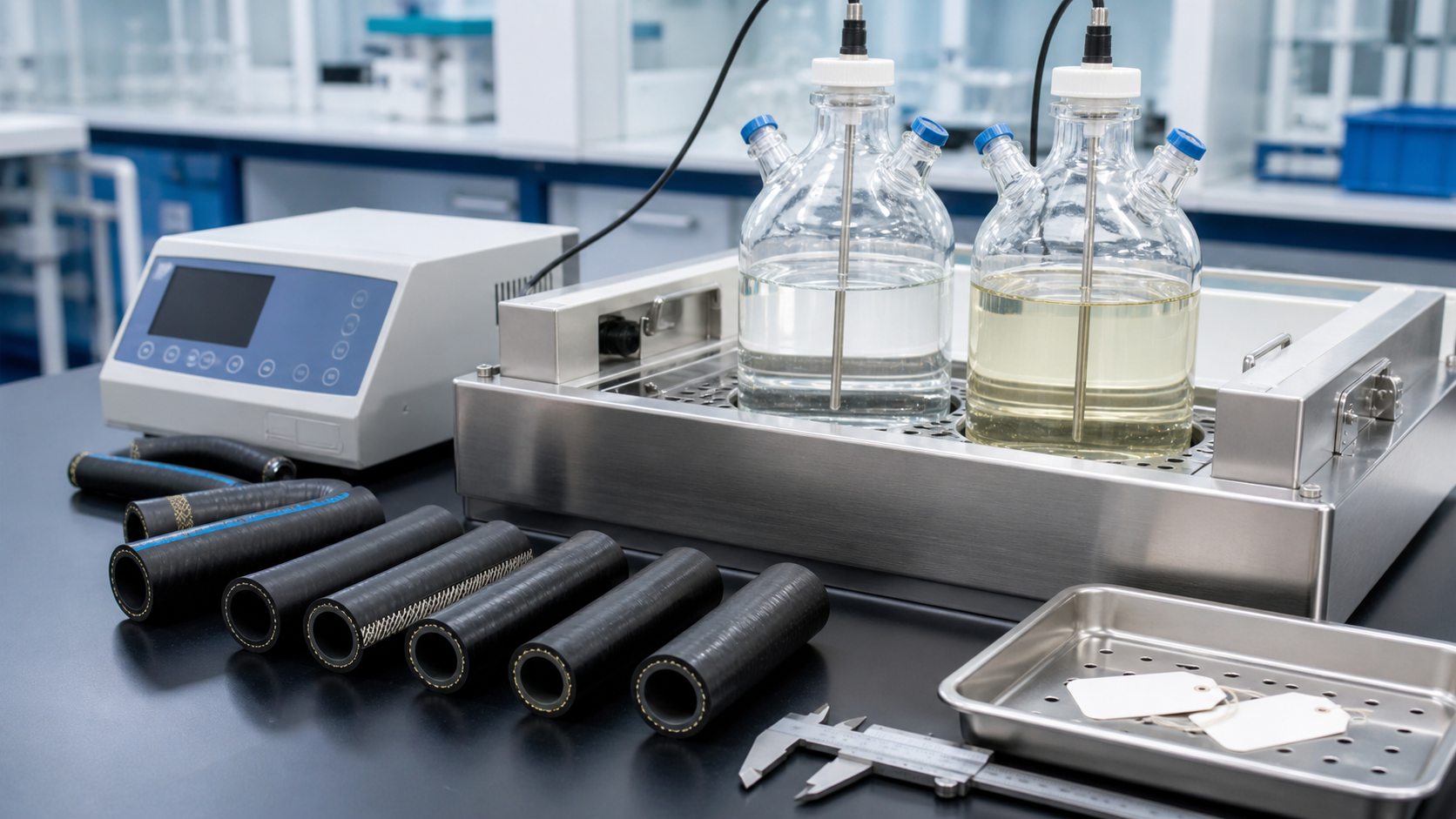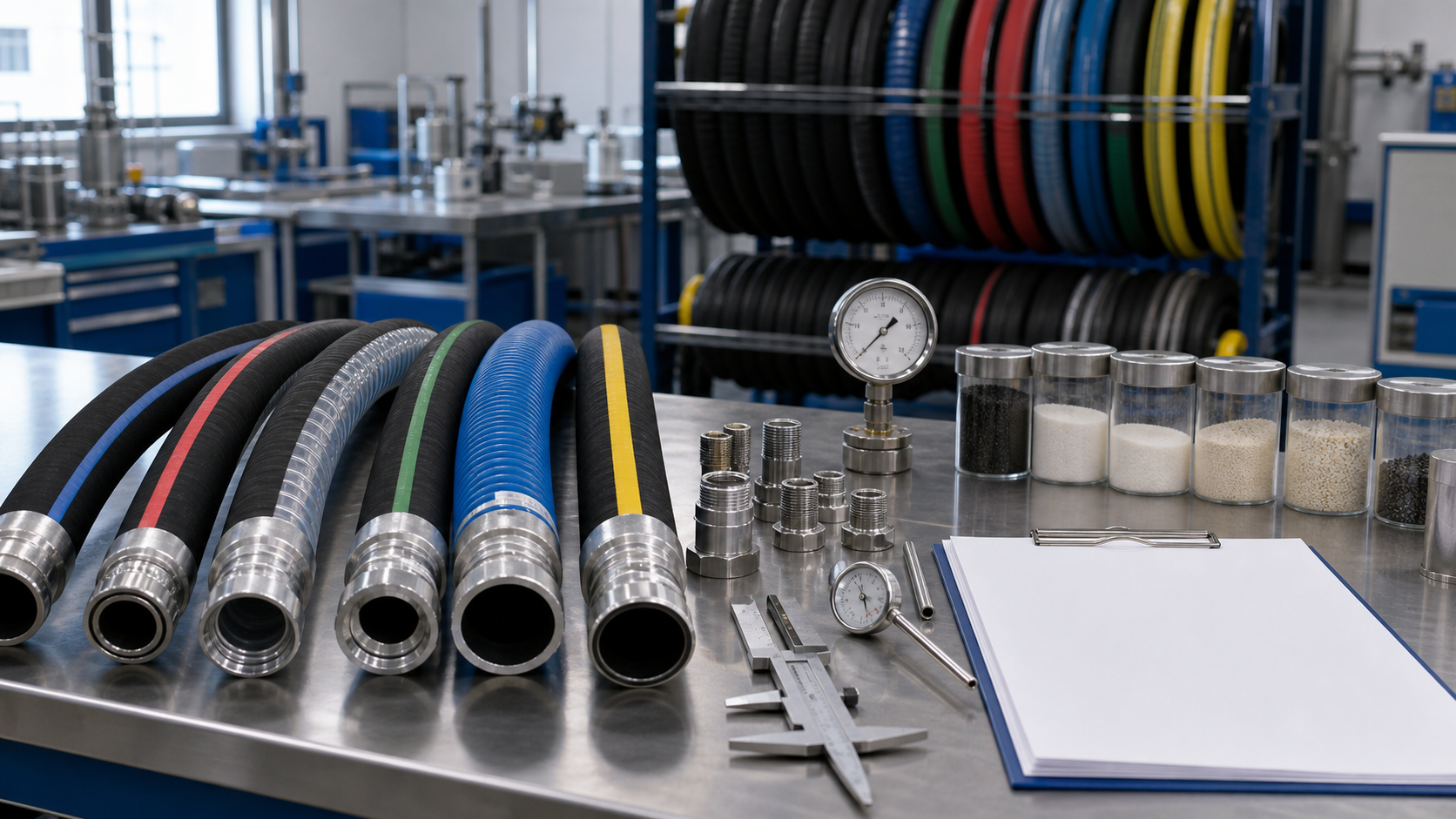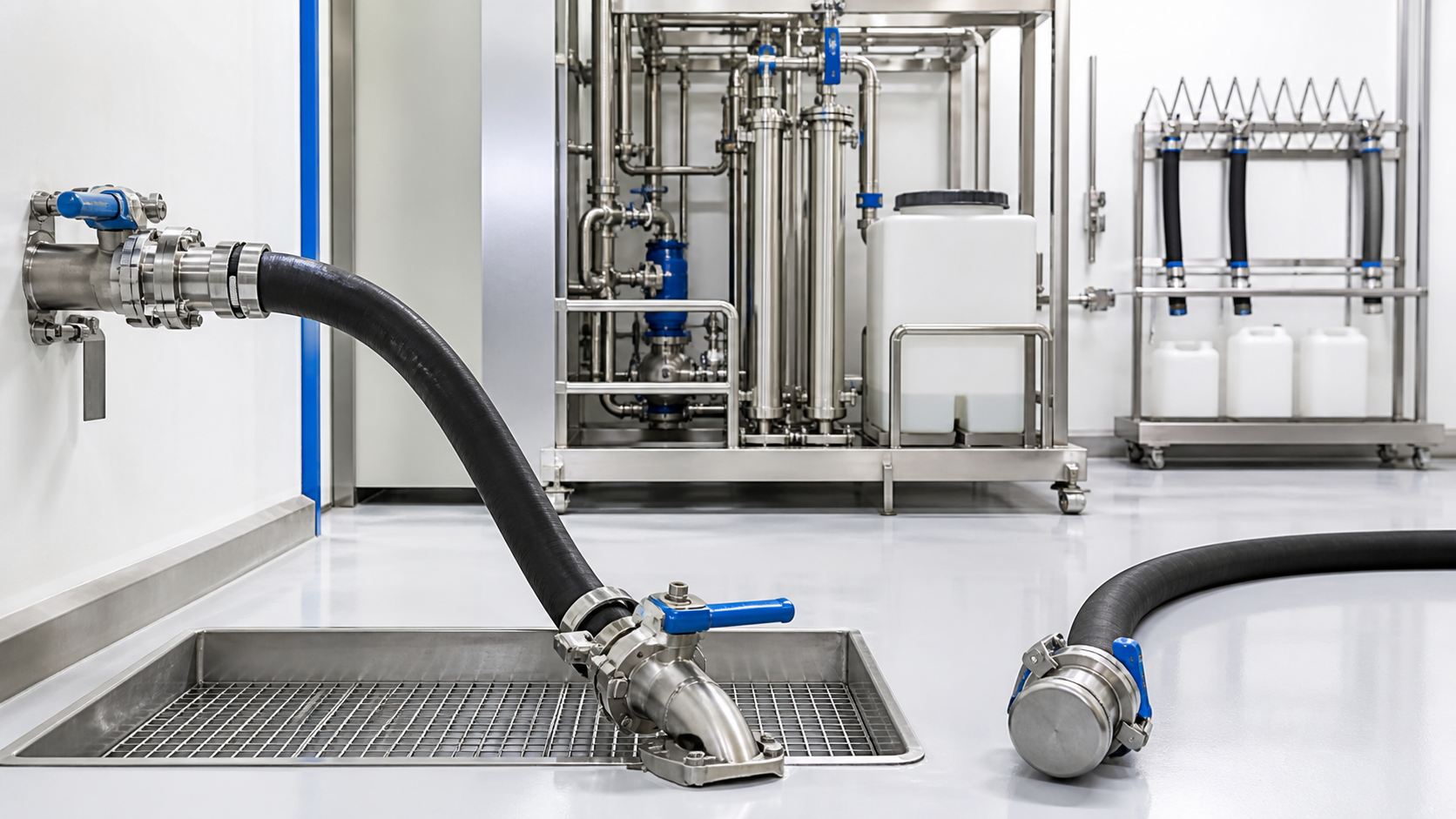
FKM rubber is a high-performance fluoroelastomer used in demanding environments where standard rubber materials fail. It is widely selected for seals, hoses, and molded rubber parts exposed to heat, oil, fuel, and aggressive chemicals. In industrial and automotive applications, FKM is valued because it can maintain sealing performance under conditions that quickly age or swell many conventional elastomers.
What Does FKM Mean?
FKM is the ASTM D1418 designation for a family of fluorocarbon-based elastomers. In some markets and standards, you may also see the abbreviation FPM, which refers to the same general material family under ISO/DIN naming conventions. Rather than being one single formulation, FKM includes multiple polymer types and compound systems, so actual performance depends on the specific grade, fluorine content, and cure system used.
Is FKM the Same as Viton?
Not exactly. FKM is the material family name, while Viton™ is a well-known brand of fluoroelastomer. Many buyers use the two names interchangeably, but from a technical and sourcing perspective, it is better to say that Viton is one brand within the broader FKM category. This distinction matters because different FKM families and brands can vary in fuel resistance, chemical resistance, low-temperature flexibility, and cost.
Why Is FKM Rubber Used in Demanding Applications?

FKM is chosen when the application involves a combination of high temperature, aggressive fluids, and long-term sealing reliability. Compared with many general-purpose elastomers, FKM offers excellent resistance to oils, fuels, ozone, weathering, and a broad range of chemicals. It also has strong compression-set performance and good permeation resistance, which helps seals and hose components maintain function over time instead of hardening, swelling, or leaking too early.
What Temperature Can FKM Handle?
A typical FKM operating range is about -20°C to 200°C, with short-term exposure sometimes reaching around 230°C depending on the compound. Some specialty low-temperature grades can perform below the standard range, but low-temperature flexibility is generally one of FKM’s trade-offs. As fluorine content rises, fluid resistance often improves, while low-temperature flexibility tends to decrease. That is why material selection should always match the real service conditions rather than relying on the word “FKM” alone.
Common Uses of FKM Rubber

FKM rubber is commonly used in automotive fuel systems, engine compartments, oil seals, O-rings, gaskets, pumps, injectors, and various industrial sealing applications. In fluid-handling systems, it is often selected for parts that must withstand hot oil, fuel vapors, aggressive media, or elevated under-hood temperatures. It is also widely used in chemical processing and aerospace applications where thermal stability and media compatibility are critical to safety and service life.
Where FKM Rubber Does Not Perform Well
FKM is not the best choice for every environment. Conventional FKM grades are commonly not recommended for hot water, steam, amines, ketones, and some low-molecular-weight esters and ethers. In addition, standard grades are not ideal for very low-temperature applications unless a specialty formulation is selected. Some advanced peroxide-cured or specialty FKM types improve resistance in certain aggressive environments, but buyers should not assume that all FKM grades behave the same way.
FKM vs NBR vs EPDM
If your main concern is heat, fuel, and oil resistance, FKM is usually the premium option. If cost is the priority and the fluid is mainly petroleum-based oil, NBR may be sufficient. If the application involves water, steam, weather exposure, or many outdoor conditions, EPDM is often the more suitable choice. In practical engineering selection, the right material depends less on brand familiarity and more on the exact combination of temperature, fluid, pressure, and service interval.
How to Choose the Right FKM Material
When selecting FKM for hoses, seals, or molded rubber parts, check five points first: operating temperature, fluid type, pressure conditions, minimum service temperature, and required service life. Then confirm whether the application needs standard FKM, low-temperature FKM, fuel-resistant grades, or more chemically resistant specialty types. This is especially important in hose and sealing projects, because a material that performs well with hot oil may still fail prematurely in steam, strong bases, or ketone-based fluids.
Conclusion
FKM rubber is a premium elastomer for applications that demand reliable performance against heat, oil, fuel, ozone, and many chemicals. It is an excellent choice for many hose, sealing, and fluid-transfer systems, but it is not a universal solution. The best results come from matching the specific FKM grade to the actual media and temperature range instead of choosing the material by name alone. For buyers comparing hose materials, this is the key difference between a component that lasts and one that fails early in service.
FAQs about FKM Rubber
What does FKM stand for?
FKM is the ASTM designation for a family of fluorocarbon-based fluoroelastomers used in high-performance sealing and rubber applications. In some standards and markets, the same material family is also referred to as FPM.
Is FKM the same as Viton?
No. FKM is the material family, while Viton™ is a brand name for certain fluoroelastomer products. Saying “FKM” is more technically accurate when discussing the general material category
What temperature range can FKM handle?
Typical FKM service temperature is around -20°C to 200°C, with short-term exposure sometimes reaching about 230°C, depending on the compound. Specialty grades can improve low-temperature performance.
Is FKM better than NBR?
For high heat, fuels, and aggressive oils, FKM is generally superior. For lower-cost oil-resistant applications at less demanding temperatures, NBR may be the more economical option.
Can FKM be used for steam?
Standard FKM is usually not the first choice for hot water and steam service. Some specialty formulations can improve performance, but steam applications should always be checked carefully by compound grade rather than by generic material name.