Drilling rigs and water well equipment operate at the intersection of extremely high hydraulic loads, harsh field environments, and remote job sites where a hose failure can mean hours — or even days — of costly downtime waiting for a replacement part. From rotary and top-drive drilling rigs to portable water well drilling units, hydraulic systems power nearly every critical function: hoisting, rotation, mud pumping, and mast/derrick movement. Understanding the specific demands these systems place on hydraulic hose is essential for OEMs and drilling contractors alike.
This article covers the major hydraulic circuits found in drilling rigs and water well equipment, the operating conditions that make hose selection especially critical in this industry, and what OEMs and field maintenance teams should prioritize.
Why Drilling Equipment Places Extreme Demands on Hydraulic Hose
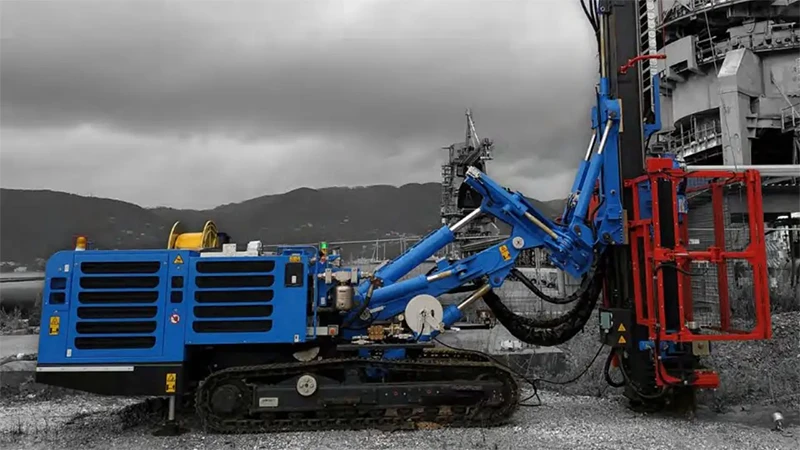
Several factors combine to make drilling rig hydraulics particularly demanding compared to many other mobile or industrial equipment categories:
- Very high pressure requirements — drilling and hoisting circuits often operate at the upper end of standard hydraulic pressure ranges to generate the force needed for downhole operations
- Remote job site locations — a hose failure in the field frequently means significant downtime, since replacement parts and service technicians may not be readily available on short notice
- Abrasive and contaminated environments — drilling sites expose hoses to dirt, rock cuttings, and drilling mud, all of which accelerate abrasion wear
- Continuous, high-load operation — drilling operations often run extended shifts with sustained high hydraulic loads, unlike equipment with more intermittent duty cycles
- Exposure to drilling fluids and additives — hoses near mud systems may contact drilling fluid chemicals that can degrade unprotected hose covers over time
Key Hydraulic Circuits in Drilling Rigs
Hoisting and Drawworks Systems
The hoisting system — responsible for raising and lowering the drill string — is typically one of the highest-load hydraulic circuits on a rig. Hoses feeding hoisting cylinders or hydraulic drawworks motors must handle sustained high pressure under heavy load, often for extended periods during trip operations.
Rotary and Top-Drive Systems
Rotary tables and top-drive units use hydraulic power to rotate the drill string during drilling operations. These circuits combine high torque demands with continuous operation throughout active drilling, placing sustained thermal and pressure load on the hydraulic hoses feeding rotary drive motors.
Mud Pump and Circulation Systems
Drilling mud circulation systems rely on hydraulic power for pump operation and, in many rig designs, for auxiliary mud handling equipment. Hoses in this area face the added challenge of proximity to abrasive and sometimes corrosive drilling fluid, even when not directly carrying the mud itself.
Mast and Derrick Raising Systems
Hydraulic cylinders raise and lower the mast or derrick structure during rig-up and rig-down operations. While these cycles are less frequent than drilling or hoisting circuits, they involve very high force requirements and structural safety implications, making hose and fitting reliability critical.
Pipe Handling and Racking Systems
Modern rigs increasingly use hydraulically powered pipe handling systems to move drill pipe and casing during connections. These circuits cycle frequently throughout a drilling operation and require consistent, responsive hydraulic performance for safe and efficient pipe handling.
Water Well Drilling Rig Systems
Smaller-scale water well drilling rigs share many of the same hydraulic demands as larger oil and gas drilling equipment — hoisting, rotation, and mast raising — often in a more compact, mobile package. These rigs frequently operate in remote or rural locations, making hose reliability and field serviceability especially important.
Operating Conditions That Drive Hose Selection
High Working Pressure and Impulse Demands
Drilling rig hydraulic systems frequently operate at higher working pressures than typical construction or agricultural equipment, and circuits like hoisting and rotary drive experience significant pressure cycling during active operation. This makes impulse-rated hose and fitting assemblies particularly important — a topic covered in more depth in our article on hydraulic hose impulse rating.
Abrasion from Drilling Site Conditions
Rock cuttings, drilling mud residue, and general job site debris create a highly abrasive environment for any hose routed near ground level or drilling equipment. Abrasion-resistant hose covers, and in high-exposure areas, protective sleeving, help extend service life in these conditions.
Remote Location Downtime Risk
Because drilling operations frequently take place far from service centers or parts suppliers, hose failures carry a disproportionately high downtime cost compared to equipment operating closer to established service infrastructure. This makes hose reliability — and carrying appropriate spare hose assemblies on-site — a meaningful operational priority rather than just a maintenance detail.
Chemical Exposure from Drilling Fluids
Drilling mud formulations can include a range of chemical additives, and hoses positioned near circulation systems may experience splash or residue exposure over time. Hose covers with adequate chemical resistance help prevent premature degradation in these areas.
Extreme Temperature Ranges
Drilling operations take place across a wide range of climates, from extreme desert heat to cold-weather winter drilling programs. Hose selection needs to account for the full temperature range the equipment will realistically encounter, since both extreme heat and cold affect hose flexibility, sealing performance, and long-term durability.
Vibration and Mechanical Shock
Drilling operations generate substantial vibration from rotary drive systems, mud pumps, and engine operation, all of which contribute to fatigue at hose fittings over time — a factor explored further in our article on why hydraulic hoses fail at fittings.
Recommended Hose Types for Drilling Applications
Given the combination of high pressure, abrasion, and remote operating conditions, hose specifications for drilling rigs and water well equipment typically include:
- Spiral-wire reinforced hoses for high-pressure hoisting, rotary drive, and mast raising circuits
- Abrasion-resistant covers for hoses routed near ground level, drilling floor equipment, or mud handling systems
- Impulse-rated assemblies for circuits subject to frequent pressure cycling during active drilling operations
- Chemical-resistant covers for hoses positioned near mud circulation and drilling fluid systems
- Wide operating temperature range hoses for rigs operating across varied climates and seasonal conditions
Maintenance Considerations for Drilling Contractors
Given the remote operating environment and high cost of unplanned downtime, drilling contractors benefit from a proactive approach to hydraulic hose maintenance:
- Carry critical spare hose assemblies on-site, particularly for high-load circuits like hoisting and rotary drive, to minimize downtime if a failure occurs in the field
- Inspect high-cycle circuits frequently, especially hoisting and pipe handling systems that see significant use throughout a drilling program
- Watch for early signs of abrasion damage, particularly on hoses routed near the drilling floor or ground-level equipment
- Document hose replacement intervals by usage, not just calendar time, since drilling operations can vary significantly in duty cycle between projects
- Standardize hose specifications across rig fleets where practical, to simplify spare parts logistics for contractors operating multiple rigs across different sites
Partnering with a Hydraulic Hose Manufacturer for Drilling Equipment
Drilling rigs and water well equipment combine some of the highest hydraulic pressure demands in mobile equipment with remote operating conditions that make hose reliability a direct operational and financial priority. OEMs and drilling contractors need hose specifications built for sustained high pressure, abrasive job sites, and the reality that field replacement isn’t always immediately available.
At Kingdaflex, we manufacture spiral-wire reinforced, impulse-rated hydraulic hoses with abrasion- and chemical-resistant cover options suited to the demanding conditions of drilling rig and water well equipment. Our team can help OEMs and contractors specify hose and fitting combinations built to reduce failure risk and downtime across remote drilling operations.
Frequently Asked Questions
What type of hydraulic hose is best for drilling rig hoisting systems?
Spiral-wire reinforced hose rated for high pressure and high-impulse conditions is typically recommended for hoisting circuits, given the sustained high loads these systems experience during trip operations.
Why is hose reliability especially important for drilling equipment?
Drilling operations frequently take place in remote locations where replacement parts and service technicians aren’t immediately available, making unplanned hose failures far more costly in downtime than similar failures on equipment closer to established service infrastructure.
Do drilling rig hydraulic hoses need special abrasion protection?
Hoses routed near the drilling floor, mud handling systems, or ground-level equipment benefit from abrasion-resistant covers or protective sleeving, given the exposure to rock cuttings and general job site debris.
How often should hydraulic hoses on drilling rigs be inspected?
High-load circuits like hoisting and rotary drive systems should be inspected more frequently than standard intervals, particularly for contractors running rigs continuously across multiple drilling programs.