To cut ptfe hose, first mark where you want to cut. Then wrap tape around that spot. Use a sharp tool to cut straight and clean.
Using the right way stops the hose from fraying. It also keeps the liner safe.
Cut PTFE Hose: Tools & Preparation
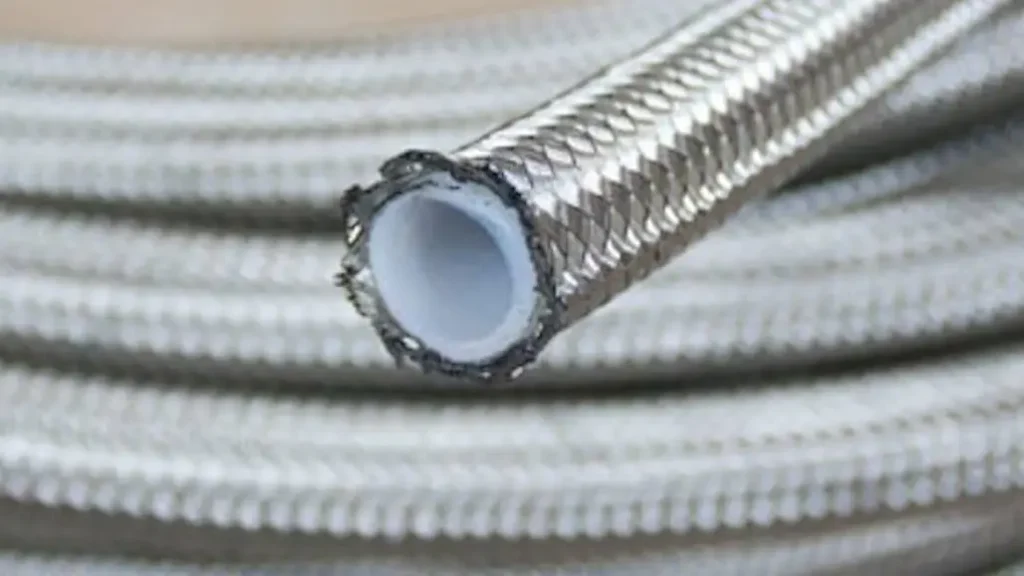
PTFE Hose Structure
PTFE’s low rigidity, high thermal expansion coefficient, and extremely deformable structure make it very sensitive to cutting methods and the environment. You must understand these features before you start. PTFE hose stands out because it resists heat and chemicals. This makes it different from other hoses and means you need special tools for the job.
Choosing Cutting Tools
Kingdaflex recommends using only high-quality tools that meet strict standards. You should avoid regular scissors or shears because they can crush or fray the hose. Instead, use tools designed for PTFE hose. The table below shows common professional tools:
| Tool Type | Description |
|---|---|
| PTFE cutting fixture | Holds the PTFE hose securely during cutting. |
| Box-shaped knife | Has a thin blade for precise cuts. |
| 60° countersink | Makes a smooth edge on the hose after cutting. |
| Utility knife | Works for careful, small cuts, but always use with caution. |
You can also use a cutting machine, a saw with a grinding wheel, or a chopper saw with a built-in fixture. These tools help you get a clean, straight cut without damaging the hose. Hydraulic hose saw blades are another good choice. They are made for tough materials like PTFE hose and last a long time.
Marking & Securing Hose
Always mark the spot where you want to cut. Wrap tape tightly around the area to keep the braid from fraying. Secure the PTFE hose in a vise or a PTFE cutting fixture. This step is important.
Not securing PTFE hose properly before cutting can lead to frayed ends that prevent proper sealing, resulting in leaks and safety risks in high-pressure environments. An uneven cut complicates the insertion into fittings, causing loose connections that may fail under pressure.
Take your time with this step. Good preparation leads to a safe and leak-free hose.
Cutting PTFE Hose: Step-by-Step
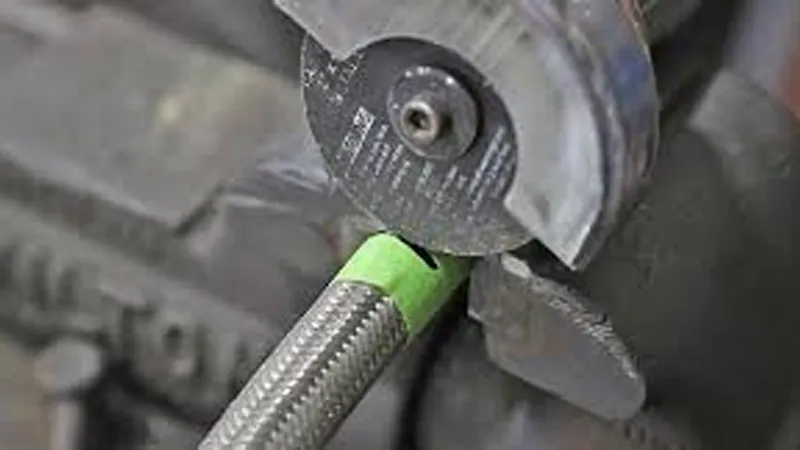
Wrapping & Marking
You need to start by measuring the length of ptfe hose you want to cut. Use a measuring tape or a straight edge for accuracy. Mark the spot with a pen or marker. Always leave a little extra length for fittings and bends.
Next, wrap the marked area with 2–3 layers of tape. This step holds the stainless braid and nylon jacket in place. The tape stops the hose from fraying during cutting. It also helps you make a straight, clean cut.
Tip: Use masking tape or electrical tape. Wrap it tightly so the tape does not slip when you cut.
Cutting Techniques
Now you are ready for the main step. Secure the ptfe hose in a vise or a cutting fixture. Make sure the hose stays stable but do not crush it. Choose the right tool for the job. Kingdaflex recommends ptfe hose shears for the best results. These shears give you a square, clean cut without crushing the liner.
Follow these steps for a perfect cut:
- Hold the shears perpendicular to the hose.
- Apply slow, even pressure as you cut through the tape and hose.
- Try to make the cut in one smooth motion. Do not twist or saw back and forth.
- After cutting, peel back a little tape to check the edge of the liner.
A clean, perpendicular cut keeps the hose strong and leak-free. Kingdaflex uses precision-engineered tools and strict quality control to make sure every hose meets high standards.
Deburring & Cleaning
After cutting, you need to inspect the end of the ptfe hose. Look for any rough edges or small burrs. Use a deburring tool or fine sandpaper to smooth the cut edge. This step removes sharp pieces that could damage fittings or cause leaks.
Clean the hose end to remove dust, debris, or oil. You can use a clean cloth or a solvent if needed. Make sure the inside and outside of the hose are free from particles. A clean hose end helps you get a tight, leak-free seal during assembly.
Note: Never skip the deburring and cleaning steps. Even small bits of debris can cause problems in high-pressure systems.
By following these steps, you can achieve a professional result every time. Kingdaflex’s process ensures your ptfe hose is ready for safe and reliable use.
PTFE Hose Assembly & Inspection
Preparing Hose Ends
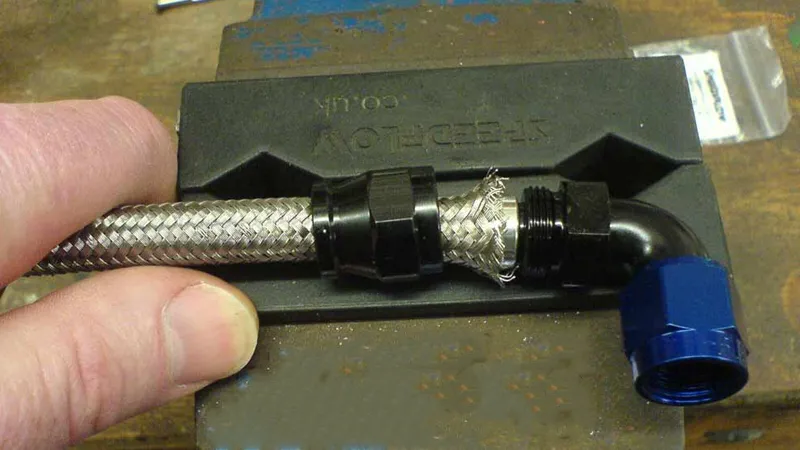
You need to prepare the ends of your braided hose before installing fittings. Trim any loose wires or fraying from the outer braid. This step keeps the hose safe and ready for assembly. Apply a thin layer of oil to the hose end body. Cover the threads and nipple, but do not use grease. This helps the fitting slide on smoothly and protects the braided hose from damage.
Fitting Installation
Start by sliding the collar up to the tip of the braided hose. Insert the hose end body’s barb into the hose-ferrule assembly. Thread it by hand. If you feel any binding, stop and check the alignment. Make sure the hose end body sits within about 1/16 inch of the socket. This ensures a tight seal. Clean the assembly with a solvent to remove extra oil. Kingdaflex uses high flow hose end fittings and replacement PTFE hose end couplings. These parts have a swivel mechanism for easy alignment and a secure, leak-free connection.
Leak Testing
You must test your braided hose assembly for leaks. Start with a visual inspection. Look for cracks, abrasions, or damage on the outer braid and inner tube. Next, perform a pressure test. Hydrostatic testing uses water and is safer. Pneumatic testing uses gas and works faster. You can also use a soap solution or ultrasonic leak detector to find small leaks. Kingdaflex recommends regular inspection and cleaning to keep your ptfe hose safe and reliable.
Mistakes & Safety in Cutting
Common Cutting Errors
When you work with PTFE hose, you can make mistakes if you do not follow the right steps. Here are some common errors you should avoid:
- Crushing the liner by using too much force or the wrong tool during cutting.
- Skipping tape wrapping, which leads to fraying of the braid.
- Using dull blades instead of sharp shears, which causes rough edges.
- Making angled cuts instead of straight ones, which prevents proper sealing.
- Leaving debris or rubber flaps inside the hose after cutting.
- Cutting the firesleeve too short, which reduces fire protection.
- Not screwing the nut and nipple assembly fully, which creates unsafe gaps.
- Turning the socket too far or backing it out, which can strip the hose cover.
- Failing to pressure test after assembly, which can lead to leaks or failures.
- Collapsing the inner tube by using too much friction or an undersized mandrel.
You can avoid these mistakes by using the right tools and following each step carefully.
Safety Precautions
You must protect yourself when cutting PTFE hose. Always wear eye protection to shield your eyes from flying particles. Gloves keep your hands safe from sharp wires and blades. Secure the hose in a vise or fixture before cutting. This keeps the hose steady and prevents slips. Avoid using heat to cut, as it can damage the PTFE liner. Use only sharp shears or cutting machines designed for PTFE hose. Kingdaflex always puts safety first and uses strict quality checks to protect you and your equipment.
Quick Fixes
If you spot a mistake during cutting, you can fix it quickly. If the cut is not straight, trim the end again with sharp shears. If you see fraying, wrap more tape and recut. Remove any debris with a clean cloth or compressed air. If you crush the liner, cut off the damaged section and start over. Always check your work before moving to the next step. Careful cutting and inspection help you get a leak-free, safe hose every time.
You can cut PTFE hose well if you use sharp tools. Wrap tape around the spot you want to cut. Make sure your cut is straight and neat. Always look at your hose and test it before you put it together. Use this table to help you check for bends, color changes, and leaks:
| Inspection Step | What to Look For |
|---|---|
| Kinks | Bends or twists |
| Discoloration | Color changes |
| Fittings | Damage or corrosion |
| Leak Check | Use leak solution and pressure |