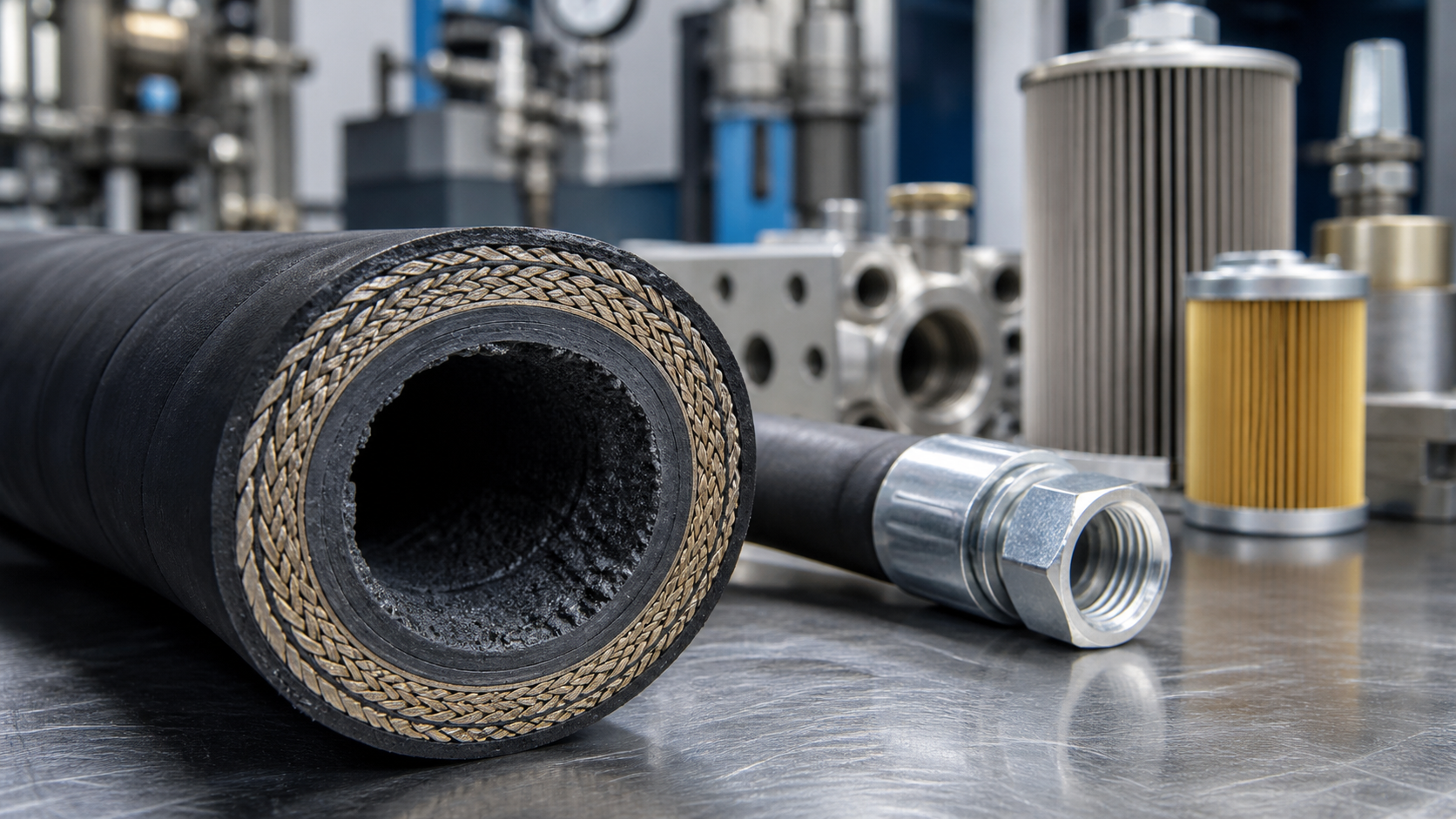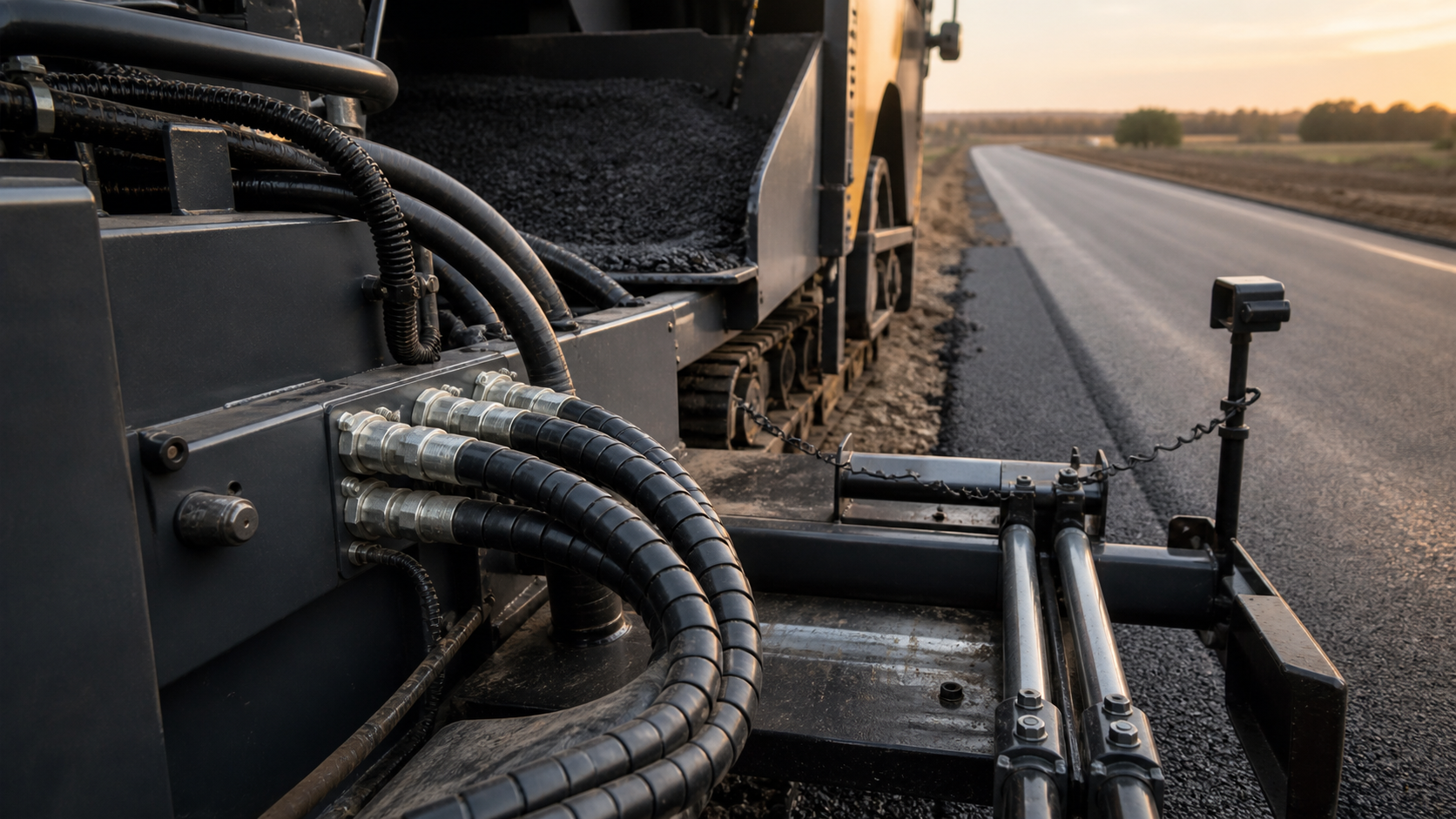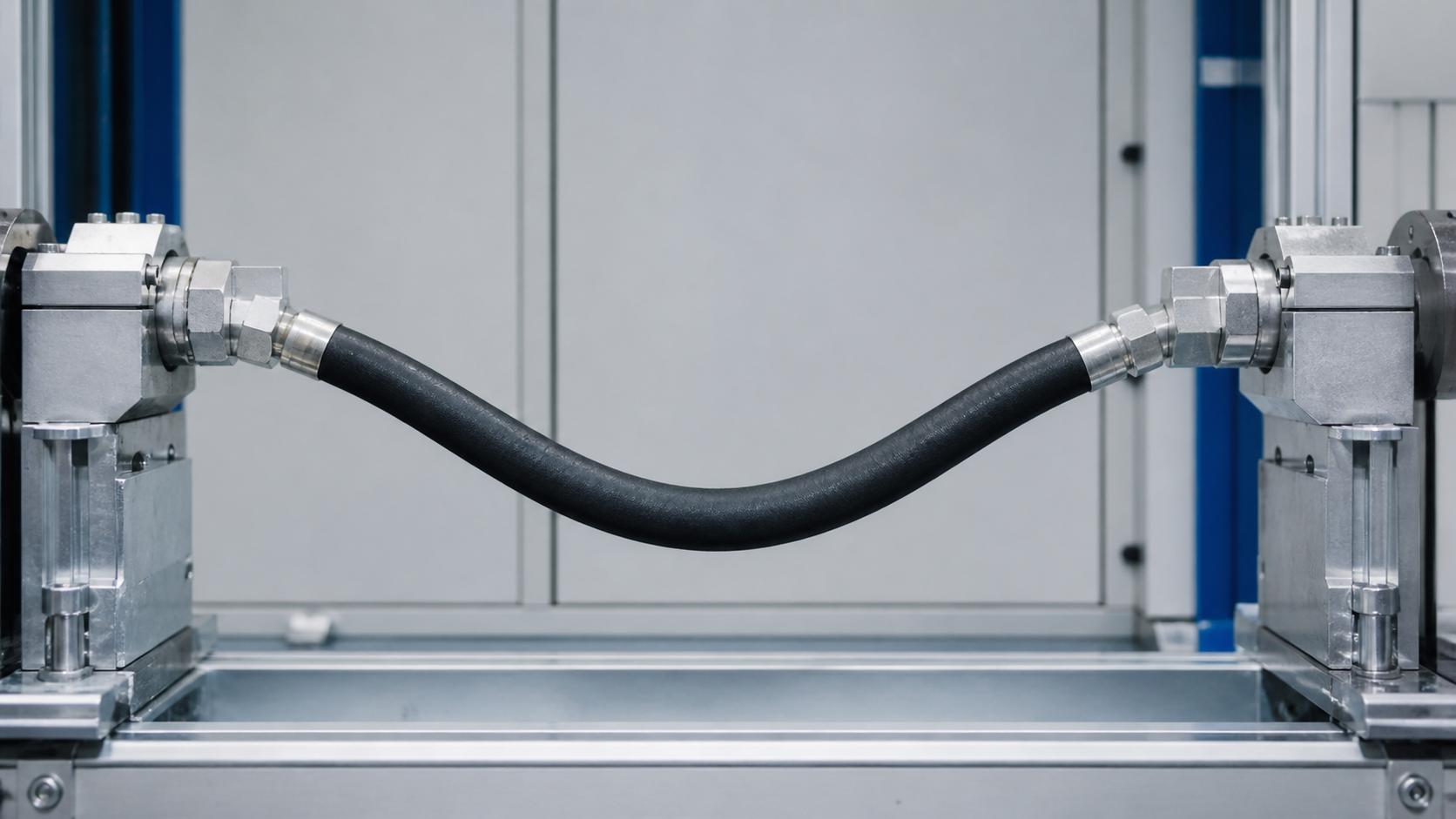
Precision manufacturing equipment demands hydraulic systems fundamentally different from those used in mining, construction, or agricultural machinery. Injection molding machines and industrial presses operate under extreme time constraints, requiring rapid response, precise pressure control, and exceptional reliability. A manufacturing facility where presses or injection molding machines experience unplanned downtime loses thousands of dollars per hour in lost production. These machines also demand hydraulic fluid cleanliness levels orders of magnitude higher than heavy equipment, and temperature control precision that separates successful production runs from defective output.
The hydraulic hoses powering injection molding machines and industrial presses must deliver both performance and reliability under conditions far more demanding than general industrial applications. The systems operate with rapid pressure cycling, strict temperature windows, and extreme fluid cleanliness requirements. Understanding the specific demands of each hydraulic circuit within these precision machines enables equipment manufacturers and facility managers to specify systems that deliver the reliability, precision, and uptime that competitive manufacturing demands.
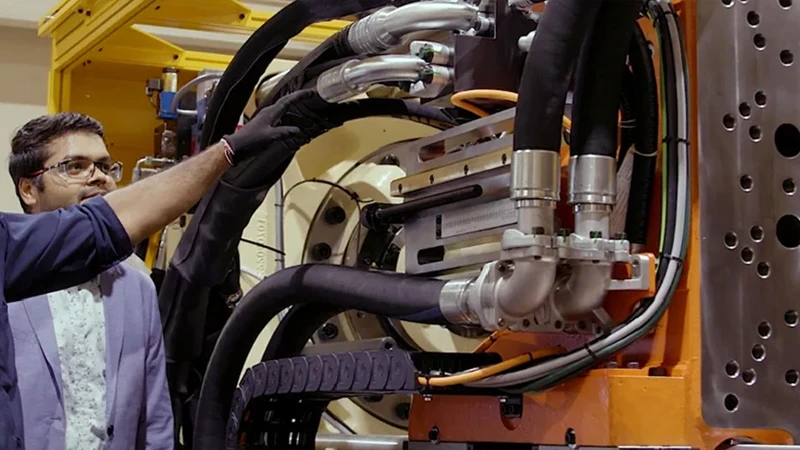
Injection Molding Machine Hydraulic Circuits: Speed and Precision
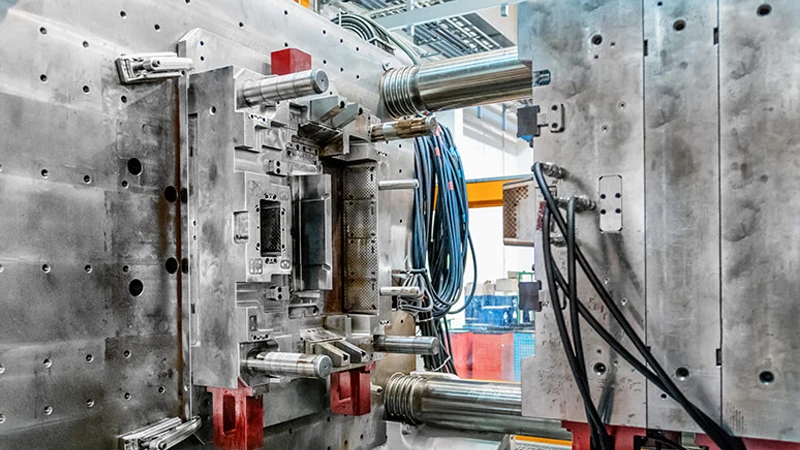
Injection molding machines incorporate multiple independent hydraulic circuits, each with distinct pressure, flow, and temperature requirements. The injection circuit propels molten plastic into the mold cavity at precisely controlled speeds and pressures. This circuit typically operates at 1,500 to 3,000 PSI, with rapid pressure cycling as molten plastic fills the cavity then holds pressure as the material cools and solidifies.
The mold clamping circuit applies and releases enormous clamping force holding the mold halves together during injection. Mold sizes range from compact precision molds to massive cavities requiring hundreds of tons of clamping force. Clamping pressure typically reaches 2,000 to 4,000 PSI, with rapid pressure cycling matching the injection cycle timing. The clamping circuit must maintain pressure stability within extremely tight tolerances—any pressure deviation changes cavity fill pattern and produces defective parts.
Temperature control circuits circulate heated or cooled fluid through mold cavities, precisely managing the mold surface temperature. This temperature management directly affects product quality. Optimal mold temperatures enable proper plastic flow and cooling, while suboptimal temperatures produce surface defects, warping, or incomplete fill. Temperature control circuits operate at moderate pressures (500 to 1,500 PSI) but demand exceptional temperature stability, often within ±2°C of setpoint.
Return and circulation circuits remove fluid from working circuits, filter contamination, cool excess heat, and redistribute cleaned fluid back to working circuits. These low-pressure circuits (typically below 500 PSI) nevertheless demand extreme fluid cleanliness and temperature control. Contaminated return fluid degrades seal performance in precision control valves, reducing system responsiveness and accuracy.
Industrial Press Systems: Force, Precision, and Repeatability
Industrial presses apply controlled force to shape, form, or compress materials. The main pressing circuit supplies hydraulic pressure to actuators that apply the forming force. Press circuits typically operate at higher pressures than injection molding systems—2,500 to 5,000 PSI depending on press class—with long dwell times where pressure holds steady at maximum value as materials deform.
Unlike rapid-cycling injection molding machines, presses operate with slower cycle times and longer pressure-hold phases. A stamping press might hold forming pressure for several seconds per cycle. This sustained high-pressure operation demands hoses designed for long-term pressure resistance rather than rapid pressure cycling capability. The hoses must maintain structural integrity across thousands of press cycles without developing internal cracks from fatigue.
Press positioning and draw circuits enable precision control of actuator stroke length and positioning. These moderate-pressure circuits (1,500 to 3,000 PSI) require precise flow control and pressure response, enabling manufacturers to maintain tight tolerances on formed parts. Any sluggish response or pressure ripple in positioning circuits translates to out-of-tolerance parts and production waste.
Cushioning and safety circuits provide controlled deceleration at end-of-stroke and emergency load-lowering capability. These circuits operate at moderate pressures but must maintain absolute reliability. A cushioning circuit that fails to function properly allows ram collision with fixed stops, damaging expensive dies and equipment. Emergency circuits must function flawlessly even after extended dormant periods.
Cleanliness and Contamination Management: The Critical Difference
Injection molding and press hydraulic systems demand fluid cleanliness levels measured in ISO 4406 codes of 15/13/10 or better—meaning fewer than 320 particles larger than 4 micrometers per milliliter of fluid. Heavy equipment like mining trucks operates with cleanliness levels of 18/16/13 or worse without performance degradation. This 100-fold difference in particle count tolerance reflects the precision requirements of manufacturing equipment.
Hose selection directly impacts system cleanliness. Standard industrial hoses designed for heavy equipment shed more internal particles than precision-designed hoses. This particle generation accumulates in the fluid, exceeding cleanliness targets within weeks of system startup. Precision manufacturing equipment demands hoses engineered with internal geometries and material selection that minimize particle generation throughout their service life.
Fluid filtration becomes essential but insufficient alone. Even with aggressive filtration removing particles larger than 3 micrometers, standard hoses exceed contamination budgets through particle shedding. Many manufacturers address this through dual strategies: using precision hoses that minimize particle generation combined with advanced filtration maintaining ISO 15/13/10 or better cleanliness.
Return line flushing during system commissioning removes manufacturing debris and hose break-in particles before hoses stabilize. This critical commissioning step prevents the system from accumulating cleanliness violations before reaching steady-state operation. Many manufacturing facilities attribute premature component failures to inadequate commissioning rather than hose defects—the hoses are shedding normal break-in particles into a system without proper flush cycles.
Temperature Precision in Manufacturing Hydraulics
Injection molding machine performance is exquisitely sensitive to temperature. Optimal mold temperatures typically fall within narrow windows—often ±5°C—where plastic flows properly and cool-down times match cycle timing. Temperature deviation outside this window produces immediate quality problems: incomplete fill, surface defects, warping, or extended cycle times.
Temperature control in manufacturing hydraulics differs fundamentally from cooling in heavy equipment. Rather than simply removing excess heat, manufacturing systems must maintain precise setpoint temperatures. This requires heat exchangers with accurate temperature control, often incorporating proportional or on-off solenoid valves that adjust cooling or heating flow to maintain setpoint ±2–3°C.
Hose material selection becomes critical in precision temperature control. Hoses with poor thermal properties create temperature gradients where outer hose surfaces reach different temperatures than the internal fluid. This thermal gradient affects elastomer properties, changing pressure-flow relationships unpredictably. We recommend PTFE-lined hoses for high-temperature applications where tight temperature control is essential. PTFE’s superior thermal conductivity enables more uniform temperature distribution across the hose wall, improving temperature control precision.
Hose length in temperature control circuits affects response time. Longer circuits have greater thermal mass, taking longer to reach setpoint temperature after heating or cooling adjustments. Optimizing hose routing to minimize circuit volume—while maintaining necessary flexibility—improves temperature control responsiveness.
Pressure Cycling and Fatigue Resistance
Injection molding machines subject hydraulic hoses to rapid pressure cycling. A typical injection molding cycle might repeat every 20-60 seconds, with pressure rising from near-zero to 3,000 PSI within seconds, holding briefly, then dropping back to near-zero. A machine running 24 hours daily completes 1,440 to 4,320 cycles per day—over 500,000 cycles per year.
This extreme cycling rate stresses hoses differently than sustained high-pressure operation. While the peak pressure (3,000 PSI) falls well within the rating of standard industrial hoses, the rapid cycling creates fatigue conditions. Each pressure cycle generates micro-stress in hose reinforcement fibers. After millions of cycles, cumulative micro-stress develops internal cracks that eventually rupture.
Hoses engineered specifically for rapid-cycling applications incorporate reinforcement designs optimized for fatigue resistance. SAE 100R2AT hose with spiral reinforcement demonstrates excellent fatigue resistance compared to straight-braid designs, maintaining structural integrity across millions of pressure cycles. For critical circuits like mold clamping that must sustain production schedules without interruption, fatigue-optimized hose selection significantly extends service life.
Material and Fluid Compatibility: Specialized Requirements
Injection molding and press systems frequently use specialty hydraulic fluids beyond standard ISO 46 mineral oil. High-temperature heat transfer fluids based on synthetic ester or polyol ester chemistry enable precise mold temperature control. Fire-resistant fluids required in some facilities demand elastomer compatibility different from mineral oil. Water-based fluids used for specific applications require entirely different hose internal materials.
Standard hoses designed for mineral oil compatibility may swell, soften, or degrade when exposed to specialty fluids. Fluid incompatibility develops gradually, reducing hose structural integrity until catastrophic failure occurs. Manufacturers must specify hoses certified for exact fluid compatibility with the fluids used in their systems.
We recommend high-pressure hydraulic hose with documented fluid compatibility across multiple fluid types. This enables equipment manufacturers to supply systems compatible with customer facility requirements without requiring different hose specifications for each fluid type.
Comparative Analysis: Hydraulic Circuit Requirements in Precision Manufacturing
| Circuit Function | Typical Pressure | Flow Rate | Temperature | Cleanliness Requirement | Fatigue Resistance Need | Hose Type |
|---|---|---|---|---|---|---|
| Injection/Molding | 1,500–3,000 PSI | Moderate (30–80 GPM) | 50–80°C | ISO 15/13/10 | Very High | SAE 100R2AT |
| Mold Clamping | 2,000–4,000 PSI | High (50–120 GPM) | 45–70°C | ISO 15/13/10 | Very High | SAE 100R2AT+ |
| Temperature Control | 500–1,500 PSI | Moderate (40–100 GPM) | Precisely controlled ±3°C | ISO 16/14/11 | Low | PTFE or regulated |
| Press Main Force | 2,500–5,000 PSI | Variable (20–150 GPM) | 40–60°C | ISO 16/14/11 | Medium | High-pressure 4+ spiral |
| Positioning/Draw | 1,500–3,000 PSI | Low–Moderate (10–50 GPM) | 40–60°C | ISO 16/14/11 | Medium | SAE 100R2AT |
| Return/Circulation | < 500 PSI | High (100–300 GPM) | Controlled, variable | ISO 15/13/10 | Low | Large-diameter industrial |
System Design Strategies for Precision Manufacturing
Accumulator sizing in rapid-cycling systems reduces pressure ripple that amplifies fatigue stress on hoses. Properly sized accumulators absorb pressure spikes from rapid pump strokes, smoothing out pressure oscillations. This simple design improvement significantly extends hose service life in high-cycle applications.
Relief valve tuning establishes appropriate pressure setpoints and prevents excessive pressure spikes. Over-aggressive relief valve settings create pressure transients that stress hoses beyond their nominal ratings. Properly tuned relief valves protect system components while enabling full utilization of pump capacity.
Proportional valve implementation enables smooth pressure ramps rather than abrupt pressure steps. Abrupt pressure changes create pressure shock that propagates through hoses as pressure spikes. Proportional valves controlling pressure gradually reduce shock and extend hose fatigue life.
Fluid condition monitoring through regular sampling enables early detection of system problems. Rising particle counts indicate developing component wear. Fluid oxidation levels indicate excessive temperature or aeration. Acid numbers reveal fluid degradation requiring replacement. These diagnostics enable preventive maintenance preventing catastrophic component failures.
Maintenance Protocols for Manufacturing Equipment Reliability
Establish baseline fluid cleanliness specifications during system commissioning. After proper flushing, test cleanliness and establish target ISO cleanliness code. Quarterly fluid sampling monitors whether the system maintains target cleanliness. Rising particle counts indicate developing problems requiring investigation before failure occurs.
Hose replacement on fixed intervals prevents degradation from progressing to failure in production equipment. Manufacturing equipment cannot tolerate unscheduled maintenance. Rather than waiting for hoses to fail, schedule replacement during planned maintenance windows. A hose appearing adequate after 3-4 years of production cycling may fail catastrophically in month 5—proactive replacement prevents this risk.
Temperature monitoring through data logging reveals whether systems maintain temperature setpoints. Deviations indicating control system degradation enable technicians to adjust setpoints or inspect heating/cooling circuits before product quality suffers. Many quality problems trace to subtle temperature deviations invisible without temperature monitoring.
Pressure spike monitoring through transient pressure recording identifies problems like cavitation in pump suction lines or excessive relief valve chatter. These conditions accelerate hose fatigue beyond normal cycling stress. Correcting underlying problems extends hose life and improves system reliability.
Troubleshooting Common Manufacturing Hydraulic Problems
Erratic machine operation often traces to cleanliness problems rather than mechanical failures. Contamination causing control valve stiction or pilot pressure loss creates inconsistent pressure response. Before replacing expensive valves, verify system cleanliness meets specifications and perform thorough fluid flushing.
Product quality variation may indicate temperature control problems rather than mold defects. Temperature monitoring reveals whether mold temperatures maintain setpoint. If temperatures drift beyond control, heat exchanger performance degradation or fluid flow blockage may be the underlying cause requiring investigation.
Hose failures in high-cycle applications typically indicate inadequate fatigue design rather than component defects. If replacements fail at intervals shorter than design expectations, the underlying cause is likely pressure cycling stress exceeding hose fatigue rating. This requires either selecting higher-fatigue-rated hoses or investigating system design to reduce pressure cycling stress.
Conclusion: Precision Manufacturing Demands Precision Hydraulic Systems
Injection molding machines and industrial presses represent the upper tier of manufacturing equipment performance demands. These systems require hydraulic components engineered for rapid cycling, precise pressure control, exceptional temperature stability, and extreme fluid cleanliness. Standard industrial hoses designed for lower-performance applications prove inadequate for precision manufacturing requirements.
Equipment manufacturers and facility managers that invest in precision-grade hydraulic hoses, proper system design, and disciplined maintenance programs achieve the reliability and uptime that competitive manufacturing requires. Conversely, facilities that treat manufacturing hydraulic systems with standard industrial specifications experience chronic failures and quality problems.
Kingdaflex supplies hydraulic hose systems specifically engineered for injection molding machines, industrial presses, and other precision manufacturing equipment. Our complete range of hose solutions includes fatigue-optimized designs, PTFE-lined thermal management hoses, and precision-cleanliness-certified products meeting the exacting demands of manufacturing applications.
The next time your injection molding machine or industrial press experiences unexpected downtime, examine the hydraulic system context—not just the failed component. Are hoses specified for rapid-cycling fatigue resistance? Does the system maintain cleanliness targets? Is temperature control precise? Often, these system-level factors hold the key to preventing recurring failures and achieving the uptime your manufacturing schedule demands.