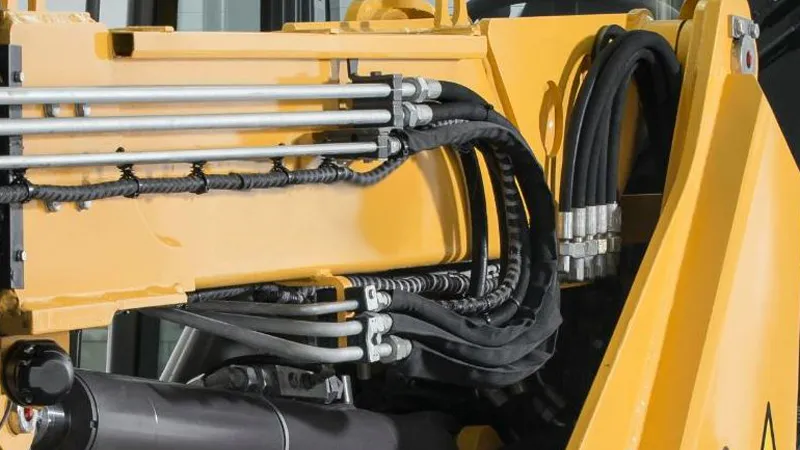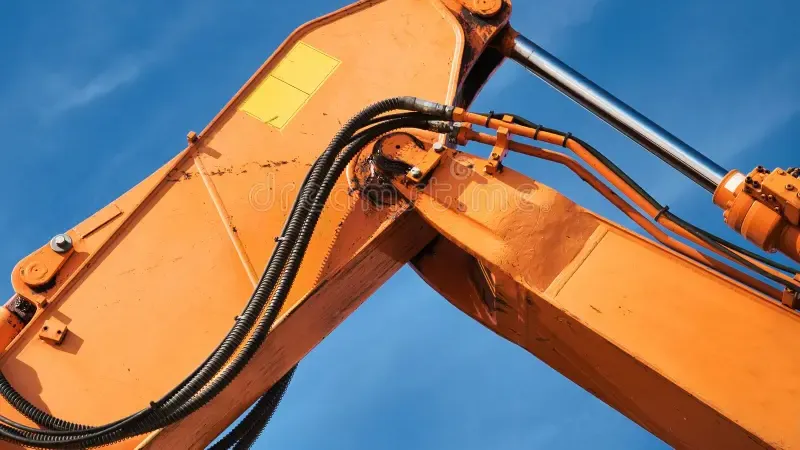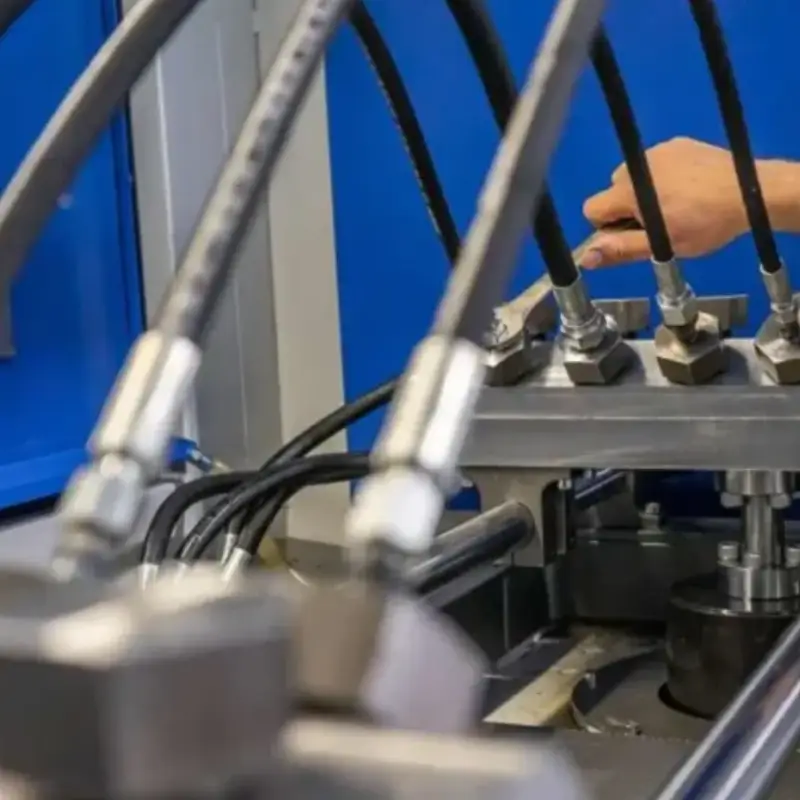
The global hydraulic hose market is dominated by Chinese manufacturers who offer competitive pricing, fast lead times, and large-volume production capacity. Yet for every reputable factory, there are suppliers cutting corners on raw materials, skipping pressure tests, or overstating their certifications.
Whether you’re a distributor, equipment manufacturer, or procurement manager, knowing what to look for can mean the difference between a reliable supply chain and costly downtime. Here’s exactly what you need to verify.
7 Checkpoints for OEM Hydraulic Hose Sourcing
1. Verify SAE and DIN Certification Compliance
Any serious hydraulic hose manufacturer should comply with internationally recognized standards — primarily SAE J517 and DIN EN 853/856. Ask for test reports and certificates that specify individual hose models (e.g., SAE 100R2AT, EN856 4SP). Be cautious of suppliers who claim blanket compliance without model-specific documentation.
2. Inspect Raw Material Sourcing
The inner tube, reinforcement wire, and outer cover determine the hose’s lifespan. Ask whether the supplier uses high-tensile steel wire meeting ASTM or equivalent standards, and verify the rubber compound’s compatibility with hydraulic fluids, heat, and ozone. Low-grade recycled rubber is a common cost-cutting shortcut that leads to premature failure.
3. Check In-House Testing Capabilities
A reliable OEM supplier should conduct proof pressure testing (typically 200% of working pressure) and impulse testing on high-pressure spiral hoses. Ask specifically: Does your factory operate its own lab? Can you provide impulse test reports showing cycle counts? Leading manufacturers test spiral hoses up to 400,000 pressure cycles, far exceeding minimum SAE J517 requirements.
4. Evaluate Production Equipment and Capacity
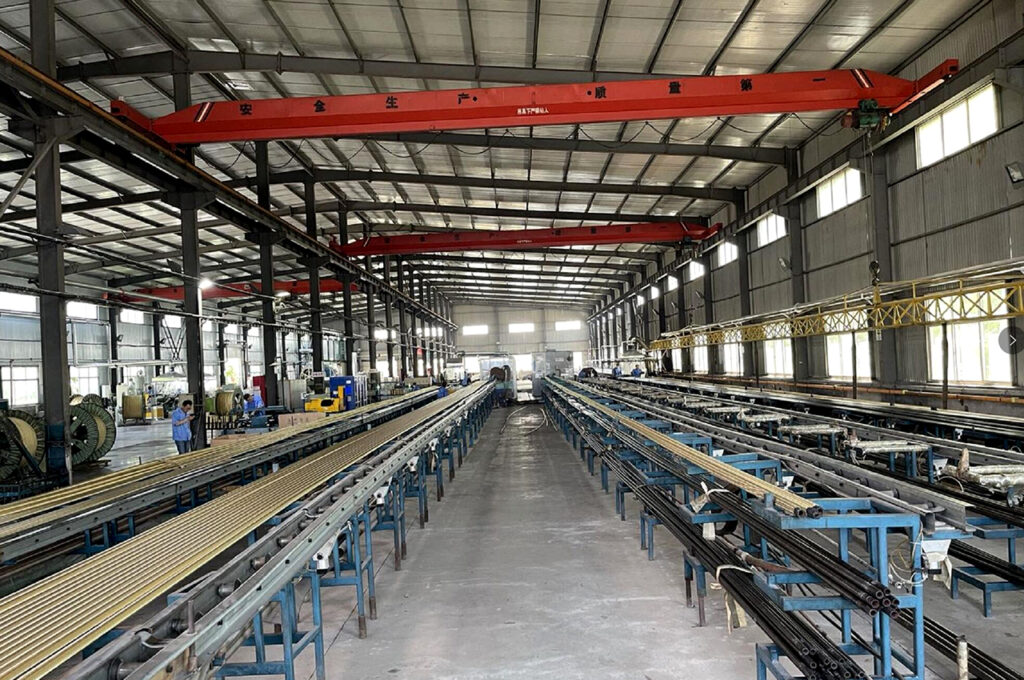
Modern braiding and spiraling machines directly affect consistency across large orders. Ask for factory photos or video of the production line. Reputable manufacturers invest in multi-head braiding machines and precision laser measurement systems. Outdated or poorly maintained equipment is a leading cause of dimensional inconsistency in bulk orders.
5. Confirm Customization and OEM Capabilities
For OEM buyers, your specific requirements may include custom hose lengths, non-standard inner diameters, private-label printing, or proprietary fitting compatibility. Confirm the supplier can handle your exact specifications before committing. Ask for a sample order (MOQ) to validate quality against your technical drawings before full production begins.
6. Review Export Experience and Documentation
Experienced exporters understand the paperwork required for smooth customs clearance — including material test certificates (MTC), country-of-origin documents, and SGS/BV inspection reports when required. A supplier with proven export history to your region is a significantly lower-risk partner than one entering new markets for the first time.
7. Assess After-Sales Support and Lead Times
Reliable OEM partnerships go beyond the first shipment. Confirm response times for technical queries, the supplier’s policy on defective batches, and their ability to meet repeat orders with consistent quality. A dedicated account manager and transparent communication channels are non-negotiable for a stable long-term supply relationship.
Why Material Quality Is Non-Negotiable
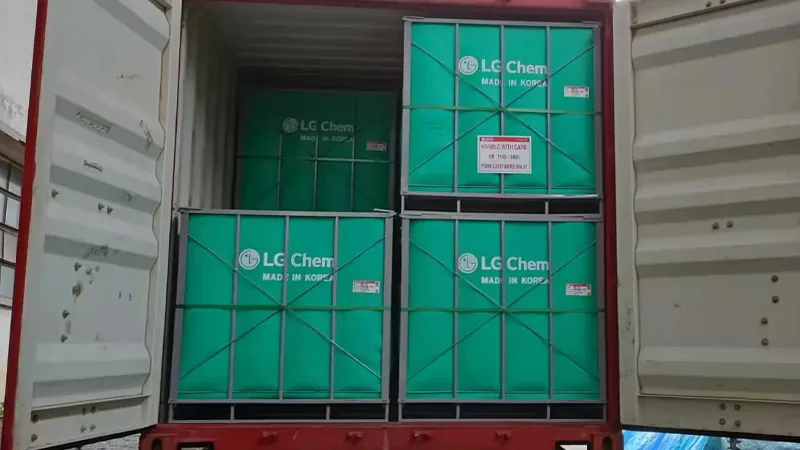
One of the most common mistakes buyers make is focusing exclusively on price without specifying material standards. A hydraulic hose operating at 3,000 PSI in a mining excavator or offshore drilling rig is a safety-critical component. Failure doesn’t just mean downtime — it can mean injury, equipment damage, and significant liability.
When evaluating suppliers, always request the following for your target hose models:
- Inner tube rubber compound specification (NBR, PTFE, or EPDM depending on fluid type)
- Steel wire tensile strength (minimum 2750 N/mm² for high-pressure applications)
- Outer cover hardness and abrasion resistance rating
- Temperature range rating (-40°C to +100°C is standard; specialty hoses may differ)
Pro Tip for Procurement Teams
Request a pre-shipment inspection (PSI) from a third-party agency (SGS, Bureau Veritas, or Intertek) for your first container order. The cost — typically USD $300–500 — is minimal compared to the risk of receiving an entire shipment of non-conforming product. Once you’ve validated a supplier’s consistency across 2–3 orders, you can reduce inspection frequency.
The Difference Between a Trader and a Factory
Many listings on B2B platforms represent trading companies, not manufacturers. This isn’t inherently problematic, but it does mean you have less visibility into production quality and fewer options for customization. When possible, work directly with the manufacturing source.
Key indicators that you’re dealing with an actual factory include: a fixed production address that matches on Google Maps, visible machinery in factory photos, an in-house quality control team, and the ability to provide original material certificates (not copies of copies).
Kingdaflex: A Verified OEM Hydraulic Hose Manufacturer
At Kingdaflex, we manufacture hydraulic hoses in strict compliance with SAE J517 and DIN EN 853/856 standards. Our production facility operates 16 high-speed braiding machines and 4 spiral machines, with an in-house laboratory for impulse testing up to 400,000 cycles. All high-pressure hoses undergo 200% proof pressure testing before shipment.
We support full OEM customization — including private-label printing, custom lengths, and non-standard specifications — for distributors and equipment manufacturers worldwide. Our export team handles complete documentation for all major import markets.
If you’re evaluating hydraulic hose suppliers for your next OEM project, we welcome the opportunity to send product samples and factory documentation for your review.
Ready to Source OEM Hydraulic Hoses?
Get samples, technical datasheets, and a factory audit package — no commitment required.