When buyers compare hydraulic hoses, the first specification they usually notice is working pressure. It is clear, easy to quote, and simple to compare across different hose types. But in real hydraulic systems, working pressure is only one part of the selection process.
If the goal is longer service life, fewer failures, and better reliability, pulse life often tells you more about how the hose will actually perform in the field. SAE J343 itself is built around testing and evaluating the performance of SAE 100R series hydraulic hose and hose assemblies, which shows how important performance testing is in hose qualification.
Why Working Pressure Alone Does Not Tell the Whole Story
Hydraulic systems rarely operate under perfectly steady pressure. In actual use, pressure rises and falls as pumps respond, valves shift, cylinders extend, and machine loads change. Parker’s technical literature notes that “true working pressure” often includes surges, peaks, spikes, vibration, and other short, rapid pressure events that standard gauges may not fully capture. That means a hose can appear acceptable on paper while still being exposed to much harsher conditions in operation.
This is why some hoses fail even though their nominal working pressure seems to match the machine requirement. The issue is not always the steady-state pressure. The issue is repeated dynamic stress. A hose that survives a catalog pressure number is not always a hose that survives the application.
What Is Working Pressure?
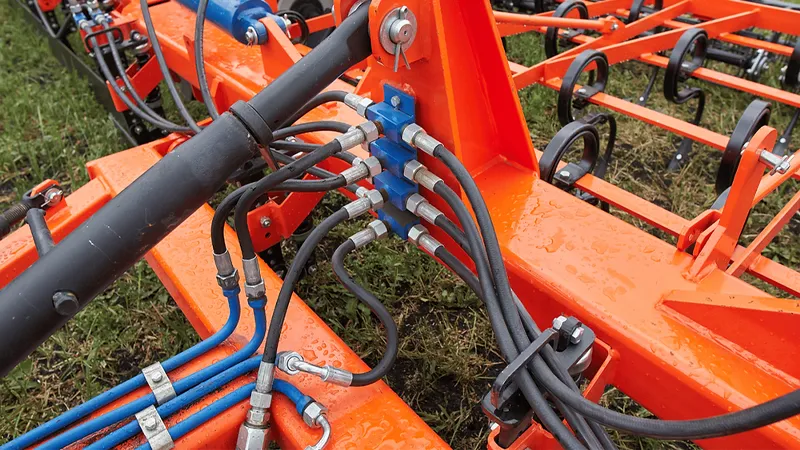
Working pressure is the maximum pressure a hose or hose assembly is designed to handle continuously in service. It is the baseline safety requirement for hose selection. In practical terms, the hose’s published working pressure must cover not only normal system pressure but also any surge or transient pressure the system may generate. Parker also notes that the maximum working pressure of an assembly is limited by the lowest-rated component in that assembly, including the hose and the fittings.
Why It Matters
Working pressure is still essential. If the system pressure, including spikes, exceeds the hose’s rated working pressure, the hose is the wrong choice. No amount of marketing about durability or flexibility can compensate for that basic mismatch.
What Is Pulse Life?
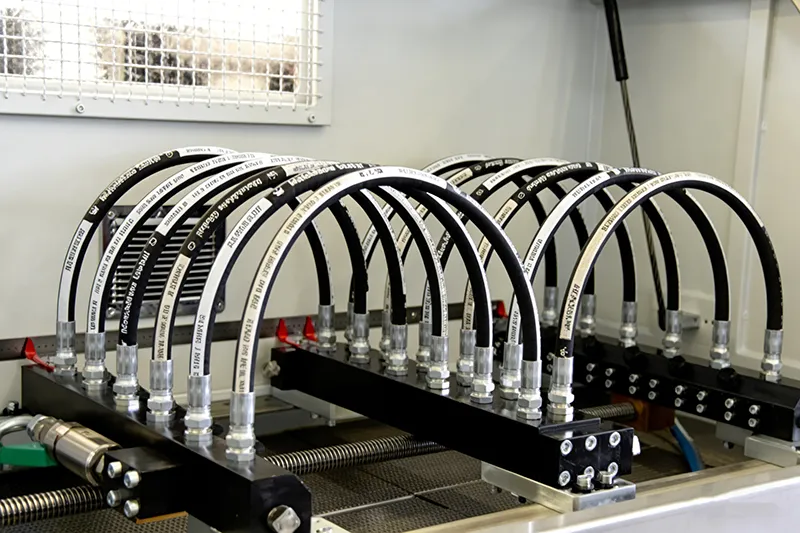
Pulse life, often called impulse life, refers to how many pressure cycles a hose assembly can withstand before it can no longer reliably hold pressure. Gates describes hose impulse life as a core durability indicator, and several of its product lines highlight impulse-cycle performance as a key benefit in demanding hydraulic applications.
Instead of measuring whether a hose can survive one high-pressure moment, pulse life measures whether it can survive repeated pressure events over time. This matters because many field failures are fatigue-related. The hose is not destroyed by a single extreme event. It wears down gradually through hundreds of thousands of pressure cycles combined with heat, flexing, vibration, and assembly stress.
Why Pulse Life Often Matters More in Real Applications
In excavators, loaders, mining equipment, agricultural machinery, and other mobile hydraulic systems, pressure is constantly changing. These are not static conditions. They are dynamic, high-cycle environments. In that kind of service, the better indicator of long-term performance is not only working pressure, but how well the hose endures repeated impulses. Parker and Gates both position high-impulse performance as critical for rugged, heavy-duty applications.
Working Pressure vs. Burst Pressure vs. Pulse Life
These three ratings are often mixed together, but they do not mean the same thing.
Working Pressure
This is the maximum continuous operating pressure the hose assembly is designed to handle safely. It is the first checkpoint in hose selection.
Burst Pressure
Burst pressure is mainly a qualification and manufacturing reference, not a recommended operating level. A hose should not be selected on the assumption that it can run anywhere near its burst pressure. That number is useful for design validation, but it is not the right guide for everyday application decisions.
Pulse Life
Pulse life measures durability under repeated pressure cycling. This is often the better predictor of service life in real hydraulic systems, especially where machines see constant motion, shock loads, and fluctuating demand.
Why Two Hoses with the Same Working Pressure May Perform Very Differently
Two hydraulic hoses may carry the same working pressure rating and still deliver very different results in the field. The difference often comes from reinforcement design, tube-to-reinforcement adhesion, bend performance, crimp stability, and whether the hose and fitting system have been validated to work together under impulse conditions. Parker’s GlobalCore materials emphasize high-impulse testing, and Gates highlights that some hose platforms are engineered specifically for high-impulse operations and longer service life.
This is why price-only comparisons can be misleading. A lower-cost hose may meet the required working pressure, but if its impulse performance is weaker, the total operating cost can end up much higher because of downtime, maintenance, and premature replacement.
The Role of Standards and Testing
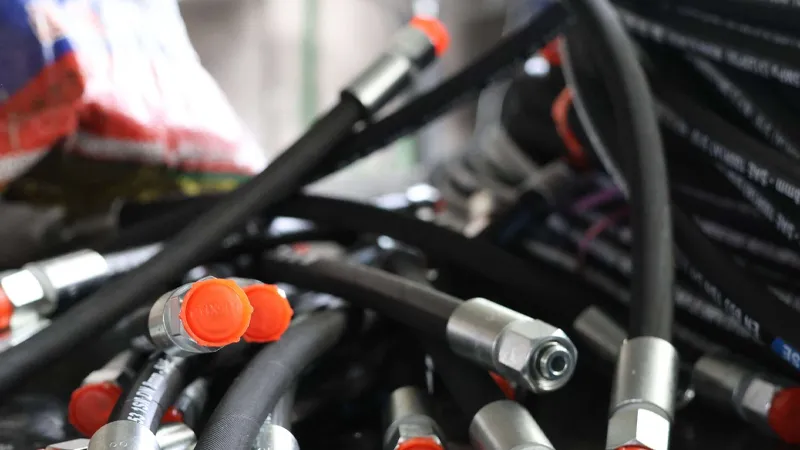
Industry standards help buyers compare hose performance more objectively. SAE J343 provides methods for testing and evaluating SAE 100R series hose and assemblies. SAE J1405 covers optional impulse test procedures for hydraulic hose assemblies under conditions not fully specified in SAE J343. Parker’s materials on ISO 18752 also explain that this standard uses demanding durability and impulse criteria, and some ISO-based product lines are promoted around million-cycle or multi-million-cycle performance.
What Buyers Should Ask Suppliers
Instead of asking only for the working pressure, serious buyers should also ask:
- How was the hose tested for impulse performance?
- Was the hose tested as a complete assembly?
- Are the hose and fittings validated together?
- What type of duty cycle is this hose designed for?
- Is it intended for high-vibration or high-flex applications?
Those questions usually reveal much more about real-world service life than a single pressure number on a datasheet.
So Which Rating Matters More?
The honest answer is that both matter, but they matter in different ways.
Working pressure is the minimum requirement for safe selection. Without it, the hose should not even be considered.
Pulse life is often the better indicator of long-term reliability. It tells you how the hose is likely to perform in the actual operating environment, especially when pressure fluctuates constantly.
For steady, less demanding hydraulic systems, working pressure may be enough to make the decision. For harsh, high-cycle, high-vibration applications, pulse life usually matters more.
Final Takeaway
If you want to choose a hydraulic hose that delivers reliable field performance, do not stop at working pressure. Check whether the hose can handle real pressure cycling, not just a static number. In many demanding applications, the hose that lasts longer is not simply the hose with the highest listed pressure. It is the hose with the better impulse performance, the better assembly design, and the better fit for the machine’s actual duty cycle.
FAQ
What is pulse life in a hydraulic hose?
Pulse life is the number of pressure cycles a hydraulic hose assembly can withstand before it can no longer reliably hold pressure. It is a practical indicator of durability in applications where pressure repeatedly rises and falls.
Is working pressure more important than burst pressure?
Yes. Working pressure is far more important for selection because it reflects the maximum continuous operating pressure the hose is designed to handle safely. Burst pressure is a qualification value, not a recommended operating target.
Why can a hose fail even if the working pressure is correct?
Because real hydraulic systems often include pressure spikes, surges, vibration, and repeated cycling. A hose may meet the nominal pressure requirement but still fail early if its impulse resistance is not suitable for the application.
Does higher working pressure mean longer hose life?
Not necessarily. Two hoses can have the same working pressure but very different impulse life. In dynamic applications, the hose with better pulse performance often lasts longer.
Why should buyers ask about hose assembly testing?
Because hose performance depends on the full assembly, not only the hose tube itself. Hose, fittings, and crimping must work together under real operating stress. A properly validated assembly usually delivers better safety and service life.
What types of machines make pulse life especially important?
Pulse life is especially important in excavators, loaders, mining equipment, agricultural machinery, and other mobile hydraulic systems where pressure changes constantly during operation.