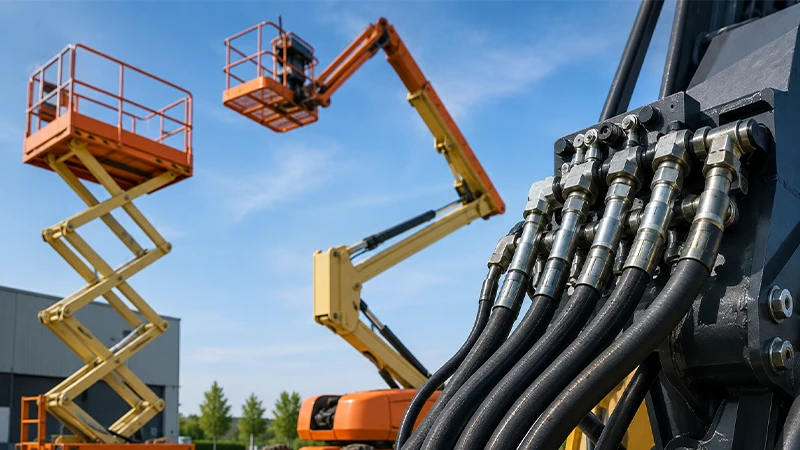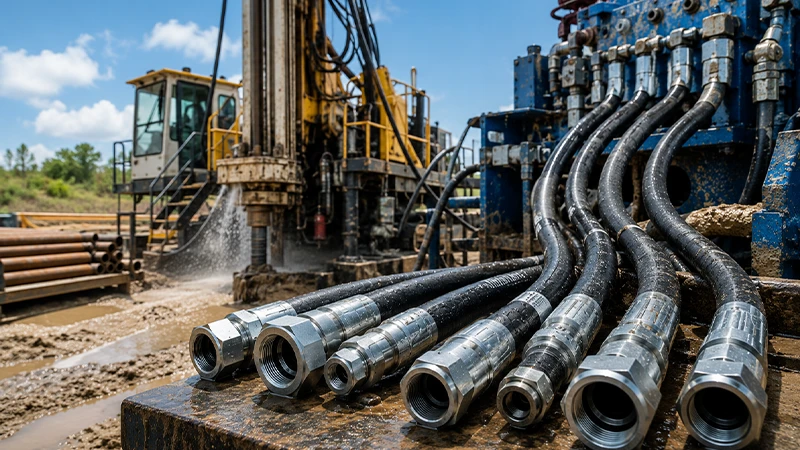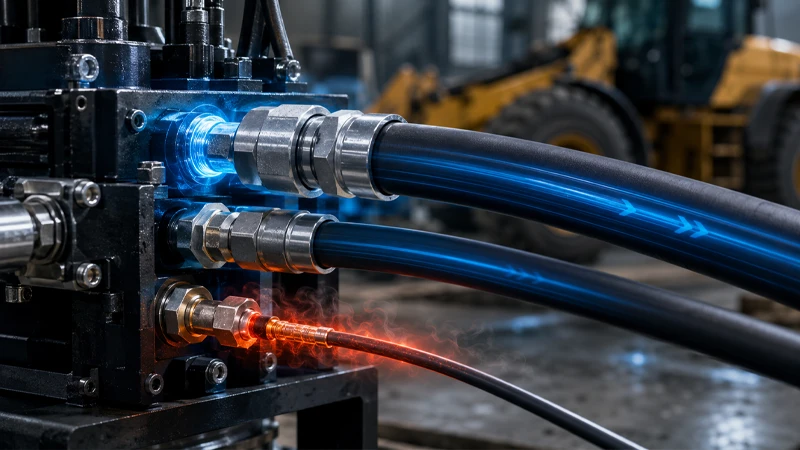
Imagine you use compact construction equipment in a small space. You must move hoses around tight corners and through tiny spaces. The right hose is important for good work and safety. Picking a hose with a smaller bend radius helps you avoid sharp bends. Sharp bends can cause leaks or damage. You should know what a smaller bend radius is and why it is important for your machines.
Understanding Smaller Bend Radius in Hoses

What Is Bend Radius?
You may wonder what bend radius means when you look at hydraulic hoses. The bend radius is the smallest curve you can make with a hose without causing damage. A smaller bend radius means you can bend the hose more tightly. This is important in compact construction equipment because space is limited. The minimum bend radius for each hose appears in the product catalog. You should always follow this value to keep the hose safe and working well.
Industry standards like SAE J517 set the rules for hydraulic hoses. These standards list the minimum bend radius for each hose type. Compact hoses use advanced materials and special construction to achieve a tight bend radius. For example, Kingdaflex hoses use high-tensile steel wire and strong synthetic rubber. This design lets you bend the hose in tight spaces without kinking or breaking.
Tip: Always check the minimum bend radius before installing a hose. This helps you avoid damage and keeps your equipment running smoothly.
Why It Matters in Compact Equipment
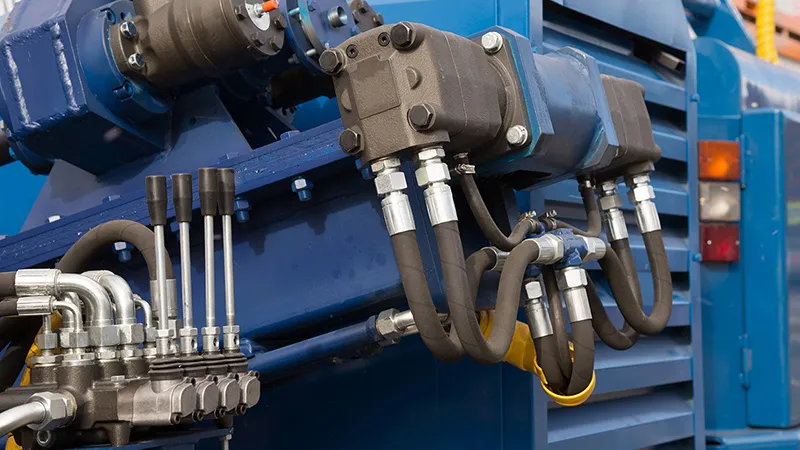
Compact construction equipment often has very little room for hoses. You need to route hoses around engines, pumps, and other parts. A smaller bend radius lets you fit hoses into these tight spaces. This makes installation easier and helps you avoid sharp bends that can cause problems.
When you use hoses with a smaller bend radius, you get several benefits:
You can install hoses in tight spots without forcing them.
You reduce the risk of kinks and leaks.
You keep the hydraulic system working at its best.
Kingdaflex hoses are designed for these tough jobs. The braided construction gives the hose both strength and flexibility. This means you can route the hose through complex paths in your machine. The hose will handle movement and vibration without failing. You get a hose that lasts longer and keeps your equipment safe.
Risks of Exceeding Minimum Bend Radius
If you bend a hose too much, you can cause serious problems. Exceeding the minimum bend radius can lead to:
Kinks that block fluid flow.
Damage to the inner layers of the hose.
Leaks or bursts that can cause injuries or equipment failure.
When a hose bends too tightly, the inside of the hose gets squeezed. This can reduce the flow rate and increase pressure inside the system. Over time, the hose may wear out faster and develop cracks or leaks. In the worst cases, the hose can burst and spray high-pressure fluid. This can hurt people and damage your machine.
Kingdaflex hoses help prevent these risks. The strong braided design resists kinking and bursting. The flexible material lets you bend the hose as needed without going past the safe limit. By choosing hoses with a smaller bend radius, you protect your equipment and your team.
Installation Challenges in Tight Spaces
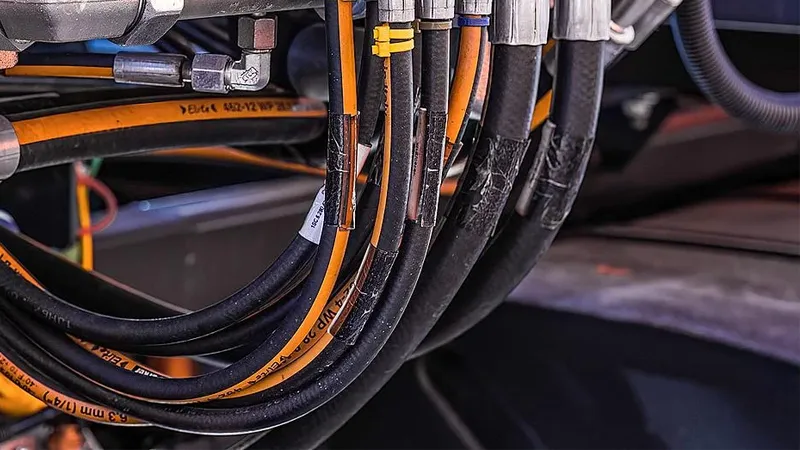
Space Constraints in Compact Machinery
It is hard to install hoses in small machines. There are tight spaces around engines and pumps. You must keep the operator safe and able to see. You also want to make maintenance easy. These problems make fitting hoses tricky. You do not want kinks or damage.
Minimum bend radius for tight spots
Clearance from moving parts
Keeping the operator safe and visible
Easy access for maintenance
You need to plan how you route hoses. If you push a hose too much, it may leak or get blocked. You need hoses that can handle these tough spots.
Benefits of Flexible Hoses for Installation
Flexible hoses help a lot in small spaces. You can bend them tightly without kinks. This lets you fit hoses around corners and through small gaps. You do not need extra parts or supports. This saves time and money.
Flexible hoses make installation faster because they bend easily in tight spaces.
They lower the chance of kinks, so installation goes smoother in small areas.
They absorb vibrations, which helps when parts move, making installation better in tight spots.
The minimum bend radius is very important. It tells you how much you can bend a hose safely. If you bend it too much, you might block flow or cause leaks. Flexible hoses with a smaller bend radius help you avoid these problems and keep your equipment working well.
Kingdaflex Hydraulic Hose Solutions
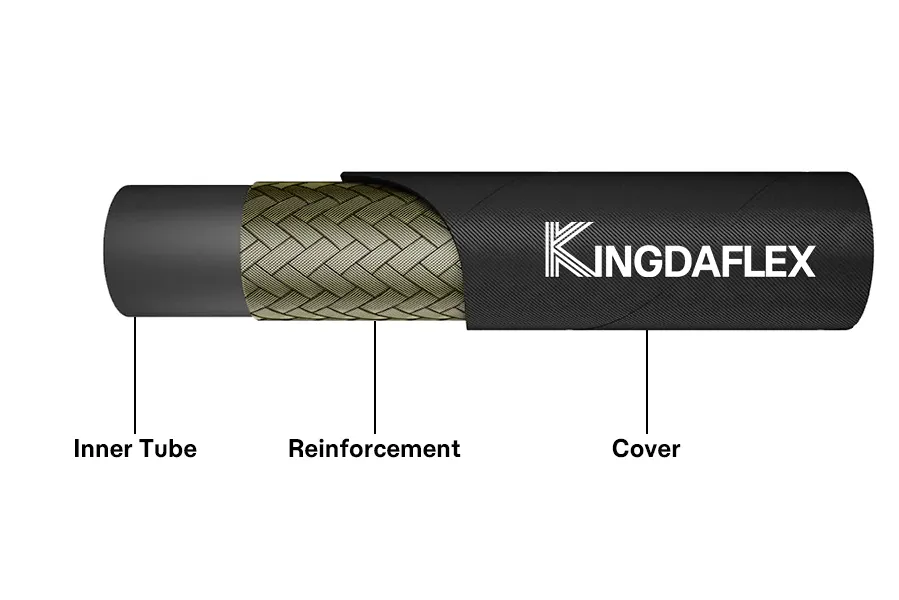
Kingdaflex hydraulic hoses have features that help in small machines. The single-braid design of 1SN hoses gives flexibility and stops kinks. SAE 100R7 hoses bend tighter than regular rubber hoses. You can put these hoses in tight engine spaces more easily.
SC and SK hoses are smaller and bend more. This helps them fit in tight places. 1SN hoses are good for medium-pressure jobs like return lines and pilot lines. SAE 100R7 hoses are strong and made for small spaces. You save time and work because you do not need extra parts or supports. Faster setup means less downtime and more work done.
Tip: Pick hoses with a smaller bend radius and high flexibility for small machines. This makes installation easier and lowers the risk of leaks or failures.
Preventing Hose Failure and Ensuring Longevity
Common Causes of Hose Failure
You want your equipment to work for a long time. It is important to know what makes hoses fail. Many things can hurt a hose and stop your machine. Here are the main reasons:
Rubbing against metal or other parts can wear the hose.
Hot fluids or engine heat can damage the hose.
Putting the hose together wrong can make it fail.
Dirty fluid can wear out the inside of the hose.
Bending the hose too much can break it.
Most of these problems happen if you do not install or use hoses the right way. If you bend a hose too far, it can crack or even burst. Bending too much makes the hose weak and easy to break. Even a small twist can make the hose last much less time. You should always check how hoses are placed and held to keep your machine safe.
Note: Always look for signs of rubbing or heat damage when you check your hoses. Fixing problems early can stop bigger issues later.
How Smaller Bend Radius Hoses Improve Durability
You can make hoses last longer by picking ones with a smaller bend radius. These hoses let you bend them more without hurting them. This helps you fit hoses in small spaces without kinks or cracks. If you follow the minimum bend radius, the hose stays strong and flexible.
Here is how smaller bend radius hoses help you:
You can bend hoses tighter and fit them in small places.
You avoid kinks and rubbing, so the system works well.
You lower the chance of leaks and bursts, so you fix less.
You do not need extra parts, so maintenance is easier.
If you use hoses with the wrong bend radius, you can have many problems. Bending too much can make the hose fail fast, especially in hard jobs. Kinks can block flow and make heat, which breaks the hose early. Just a small twist or bend can make the hose last much less time. Always pick hoses that fit your machine’s needs.
Tip: Pick hoses that resist rubbing if your machine works in rough places. This helps you stop early wear and keeps your machine running longer.
Kingdaflex Quality and Reliability
You want hoses that last and keep people safe. Kingdaflex uses strict rules to make sure every hose works in tough places. The company follows SAE rules like SAE J343 and SAE J2527. These tests check for bursts, leaks, and how hoses handle tough weather. Kingdaflex hoses are tested for sun, heat, and wetness. This means you get hoses that can handle real work.
Here is what you get with Kingdaflex hoses:
Feature | Description |
|---|---|
Durability and Longevity | Made from strong materials, these hoses last longer and do not break easily, so you replace them less. |
Safety and Leak Prevention | Good hoses stop leaks and bursts, so your team stays safe and the system works under high pressure. |
Ease of Maintenance | Good parts make checking and changing hoses easy, so you spend less time fixing and your machine works better. |
Kingdaflex hoses also fight rubbing and scraping. This keeps them safe in tight spots. You can trust these hoses to last and keep your machine working. When you pick Kingdaflex, you get safety, dependability, and less time fixing your machines.
Hydraulic Efficiency and Performance
Maintaining Flow and Pressure
You want your hydraulic systems to work well. How you bend a hose affects how fluid moves. If you bend a hose too much, it can kink or squeeze inside. This makes fluid flow harder and lowers pressure. Using hoses with a smaller bend radius keeps flow smooth. Your equipment stays strong and responds fast.
The bend radius keeps hoses strong and helps hydraulics work well.
Sharp bends cause turbulence and make pressure drop.
Using the right bend radius stops leaks and helps hoses last longer.
If you pick the right hose, you avoid slow movement and weak power. Your machine works better and lasts longer.
Reducing Downtime with Reliable Hoses
Downtime costs a lot of money. When a hose breaks, you must stop work and call for repairs. You might lose business. Reliable hoses help you avoid these problems. Good hoses mean fewer leaks and bursts. You spend less time fixing things.
Cost Component | Typical Range | Impact Duration |
|---|---|---|
Emergency replacement part | $75-150 | Immediate |
Lost productivity | $200-400 | 2-8 hours |
Emergency service call | $150-300 | Same day |
Customer relationship impact | $100-500 | Long-term |
Companies that take care of hoses have up to 75% fewer emergency repairs. This saves money and keeps customers happy. One Kingdaflex client used our hoses for over 30 years. They avoided many failures by checking and replacing hoses before problems started.
Kingdaflex in Construction Applications
You need hoses that handle tough jobs. Kingdaflex hoses use strong steel wire and special rubber. They last longer and bend tighter. A construction company had trouble with hose failures on excavators. The site had high fluid temperatures. They switched to Kingdaflex hoses with four-spiral wire and a cover that resists heat. Failures dropped by 78%. They doubled the time between maintenance.
Kingdaflex hoses give you:
Key Impact | Description |
|---|---|
Extended service life | Lasts longer than standard hoses in tough jobs. |
Reduced downtime | Fewer failures mean more work gets done. |
Application-specific fit | Made for heavy-duty and compact hydraulic systems. |
When you choose the right hose, your hydraulic systems run smoothly. You get better performance, less downtime, and more value from your equipment.
Misconceptions About Hose Flexibility and Strength
Flexibility vs. Durability
Some people think flexible hoses are weak. They believe flexible hoses break fast. This idea is not correct. Many people say only stiff hoses handle high pressure. But flexible hoses can be strong and last long. Stiff hoses often have more steel wire layers. These layers help the hose hold more pressure. But they make the hose harder to bend. For example, 4SP and 4SH hoses have different designs. These designs change how the hose moves and bends. Some operators think burst pressure is the daily limit. Burst pressure is for emergencies only. You must use working pressure for safe use.
Note: Flexible hoses can be strong if made with good materials and construction. Do not judge strength just by how stiff a hose feels.
Here is a quick look at Kingdaflex hydraulic hoses:
Feature | Description |
|---|---|
Construction Type | Single-braid design lets hoses bend in tight spaces. |
Kinking Resistance | Special design stops kinks and fits many layouts. |
Pressure Suitability | Works well for medium-pressure jobs in compact machines. |
Strength | High-tensile steel wire braid gives strength against pressure. |
Choosing the Right Hose for Compact Equipment
You need hoses that fit your machine and job. Look at size, temperature, application, media compatibility, pressure, fittings, and delivery needs. Pick the right length and diameter for good fluid flow. Make sure the hose handles heat and the fluid you use. Choose hoses that resist rubbing if your machine works in rough places. Always check the pressure rating and use the correct fittings.
Kingdaflex helps you find the best hose for your needs. You can get hoses made for your equipment with custom fittings and the right materials. Kingdaflex uses the S.T.A.M.P.E.D. method. This method checks Size, Temperature, Application, Media, Pressure, Ends, and Delivery. You get hoses that last longer and work better in tight spaces.
Tip: Ask Kingdaflex for help if you are not sure which hose to choose. You will get advice that matches your machine and job.
You need smaller bend radius hoses for compact machines. Tight spaces make flexible routing important. These hoses help your equipment work well and save fuel. When systems get smaller and pressure goes up, flexible hoses keep things working right. Picking Kingdaflex hoses means you get extra strength, better performance, and longer hose life.
Benefit | Description |
|---|---|
Enhanced Durability | Handle tough conditions and stop failures. |
Improved Efficiency | Cut downtime and help you get more work done. |
Extended Service Life | Last longer than regular hoses in hard jobs. |
You should talk to a Kingdaflex expert to find the best hose for your machine.