Hydraulic hoses are essential components in fluid power systems used across industries such as mining, construction, agriculture, and manufacturing. These hoses transport pressurized hydraulic fluid that powers heavy machinery, making them critical to system reliability and safety.
However, managing large numbers of hydraulic hoses in complex equipment can be challenging. Without proper identification, maintenance teams may struggle to locate the correct hose specifications, replacement parts, or service history. Misidentification can lead to incorrect hose replacement, system failures, or costly downtime.
Traditional labeling methods—such as printed laylines, paint markers, or manual tags—often deteriorate in harsh industrial environments. Oil exposure, abrasion, and extreme temperatures can quickly make labels unreadable.
Smart labeling technologies are changing this situation. By using digital identification tools such as QR codes, RFID tags, and NFC labels, companies can dramatically improve hydraulic hose identification, maintenance tracking, and equipment safety.
Why Hydraulic Hose Identification Matters
Accurate hydraulic hose identification is not just a matter of convenience. It plays a key role in safety, efficiency, and long-term equipment reliability.
Safety and Compliance
Hydraulic systems operate under extremely high pressure. Using the wrong hose type or pressure rating during maintenance can result in leaks, bursts, or system failures.
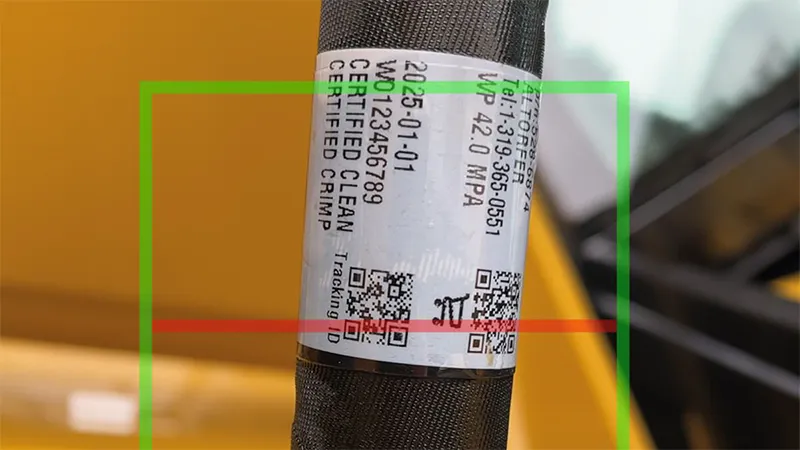
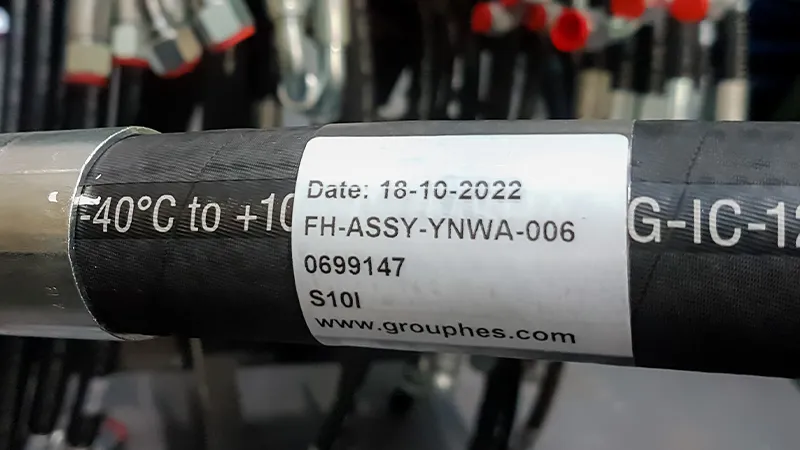
Proper hose labeling ensures technicians can quickly confirm important specifications, including:
- pressure rating
- hose type and standard
- installation date
- manufacturer information
This helps organizations maintain compliance with safety standards and avoid costly accidents.
Maintenance Efficiency
When maintenance teams can easily identify hoses, troubleshooting becomes significantly faster. Technicians can quickly determine which hose needs replacement and locate the correct spare part.
Without proper identification, workers may spend hours tracing hydraulic lines or consulting equipment manuals, increasing downtime and labor costs.
Lifecycle and Inventory Management
Hydraulic hoses have a limited service life. Tracking hose installation dates and maintenance records allows companies to replace hoses before failure occurs.
Smart hose identification systems allow organizations to manage hose inventory more effectively and schedule preventative maintenance based on actual usage.
Common Problems with Traditional Hose Labeling
Although hydraulic hoses typically include printed information on the outer cover, these traditional labeling methods often fail in real-world industrial conditions.
Printed Laylines Can Wear Off
Most hydraulic hoses include printed laylines that show information such as hose type, standard, and manufacturer. However, these markings are exposed to abrasion, oil contamination, and UV radiation.
Over time, the printed information becomes faded or completely unreadable.
Manual Tags Are Unreliable
Some maintenance teams attach plastic tags or handwritten labels to hoses. While this may work temporarily, these tags can easily become damaged, lost, or covered in dirt and grease.
Human error is also a factor. Incorrect labeling can cause confusion during future maintenance.
Lack of Digital Records
Traditional hose labeling systems are not connected to maintenance databases. Even if a hose has a physical label, technicians still need to manually search maintenance logs to find service records.
This lack of integration limits efficiency and increases the risk of errors.
What Are Smart Labels for Hydraulic Hoses?
Smart labels are digital identification tools that link a physical hydraulic hose to a digital database containing important technical and maintenance information.
These labels typically use technologies such as QR codes, RFID chips, or NFC tags.
QR Code Hose Labels
QR code labels are one of the simplest and most cost-effective smart labeling solutions. A technician can scan the code using a smartphone or tablet to instantly access hose information.
This may include:
- hose specifications
- installation date
- pressure rating
- maintenance history
- replacement instructions
QR code labels are easy to implement and can be integrated into digital maintenance systems.
RFID Hose Tags
RFID (Radio Frequency Identification) tags allow contactless identification of hydraulic hoses. These tags can be scanned automatically using specialized readers.
RFID hose tags are commonly used in large industrial facilities where automated asset tracking systems are in place.
This technology enables real-time monitoring of hose inventory and equipment components.
NFC Hose Labels
NFC (Near Field Communication) labels work similarly to RFID but operate at shorter distances. Maintenance technicians can scan the hose label using a smartphone with NFC capability.
NFC labels are particularly useful for field service teams working with mobile equipment.
How Smart Labels Improve Hydraulic Hose Management
Implementing smart labels provides several operational benefits for companies managing hydraulic systems.
Instant Hose Identification
Smart labels allow technicians to instantly identify the exact hose type and specifications without relying on faded markings.
A simple scan provides access to critical information such as:
- hose model and standard
- pressure rating
- compatible fittings
- installation date
This reduces guesswork and improves maintenance accuracy.
Predictive Maintenance
Digital hose identification allows maintenance teams to track hose service life and usage patterns.
Instead of replacing hoses only after failure, companies can schedule preventative maintenance based on real data.
This approach reduces unplanned downtime and improves equipment reliability.
Improved System Traceability
Traceability is increasingly important in modern industrial systems. Smart labeling systems create a digital record for each hydraulic hose assembly.
Companies can track:
- where the hose was installed
- when it was serviced
- which components were replaced
This information helps improve maintenance planning and system diagnostics.
Applications of Smart Hose Labels in Industrial Equipment
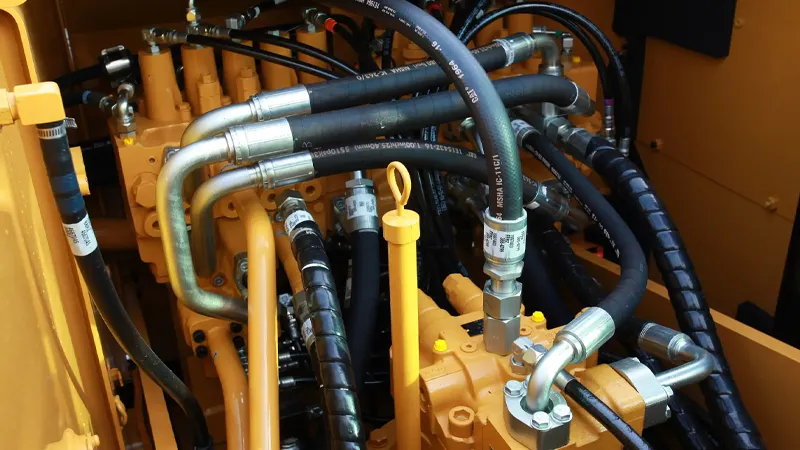
Smart labeling systems are particularly useful in industries that rely heavily on hydraulic machinery.
Construction Machinery
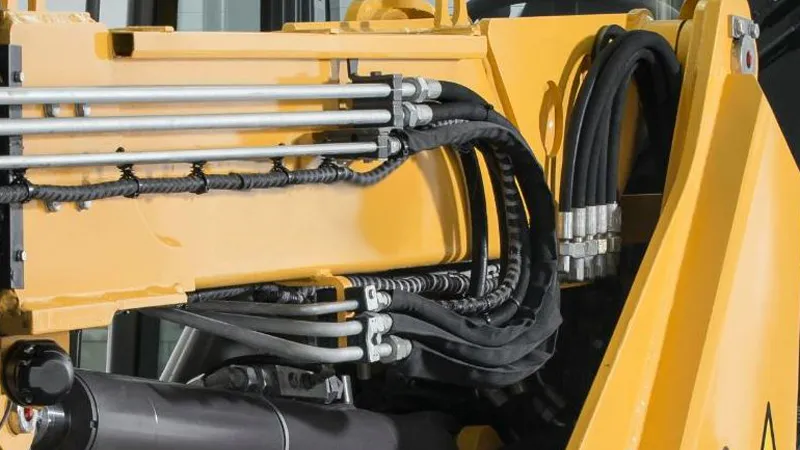
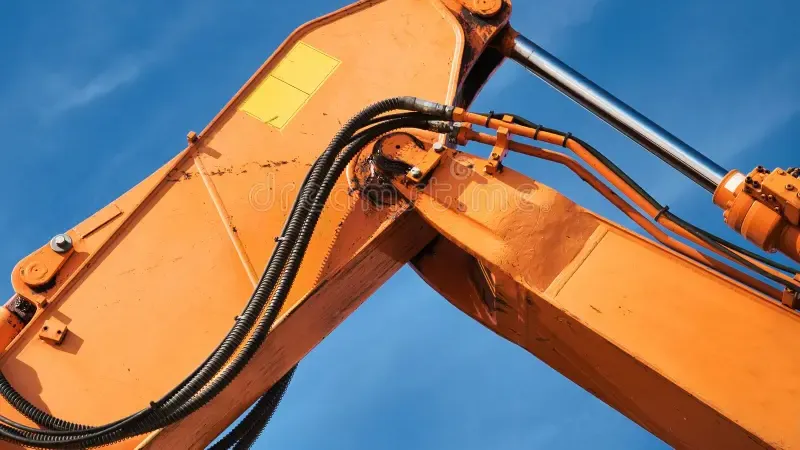
Excavators, loaders, and cranes often contain complex hydraulic systems with dozens of hoses. Smart labels help maintenance teams quickly identify components during field repairs.
Mining Equipment
Mining machines operate under extreme pressure and harsh environmental conditions. Accurate hose identification is critical for preventing hydraulic failures.
Industrial Manufacturing
Hydraulic systems are widely used in manufacturing equipment such as presses, injection molding machines, and automated production lines.
Smart hose identification helps reduce maintenance downtime in these systems.
Agricultural Machinery
Modern agricultural equipment also relies heavily on hydraulic systems. Smart labels simplify maintenance for tractors, harvesters, and irrigation equipment.
Key Features of Durable Smart Labels for Hydraulic Hoses
Smart labels must be designed to survive the demanding conditions found in industrial environments.
Important characteristics include:
Oil and Chemical Resistance
Hydraulic hoses are constantly exposed to oil, fuel, and hydraulic fluids. Labels must resist chemical degradation.
High Temperature Resistance
Hydraulic systems may operate at elevated temperatures, especially near engines or heavy equipment.
Abrasion Protection
Labels must remain readable even when hoses experience friction or contact with other components.
Hydraulic hoses are often protected by sleeves, guards, or protective sheathing to reduce abrasion and extend service life.
Long-Term Durability
The label must remain readable throughout the hose’s entire service life.
Best Practices for Implementing Smart Hose Labeling Systems
Companies adopting smart labeling technology should follow several best practices.
Standardize Hose Identification Codes
Each hydraulic hose should have a unique ID number that corresponds to digital maintenance records.
Integrate with Maintenance Software
Smart labels should connect to maintenance management systems so technicians can access information instantly.
Train Maintenance Personnel
Technicians must understand how to scan labels and update maintenance records.
Combine Labels with Protective Systems
Using protective sleeves and hose guards helps prevent label damage and ensures long-term readability.
The Future of Hydraulic Hose Identification
As industrial equipment becomes more connected, hose identification systems will continue to evolve.
Future developments may include:
- IoT-enabled hydraulic components
- automated hose monitoring systems
- predictive maintenance platforms
- digital asset management systems
Smart labels will become an important part of these connected industrial ecosystems.
Conclusion
Smart labeling technology is transforming how companies manage hydraulic hoses. By linking physical hoses to digital information systems, organizations can improve maintenance efficiency, equipment safety, and asset traceability.
Compared with traditional labeling methods, technologies such as QR codes, RFID tags, and NFC labels provide a more reliable and scalable solution for hydraulic hose identification.
For industries that rely heavily on hydraulic systems—such as construction, mining, and manufacturing—implementing smart hose labeling is a practical step toward smarter maintenance and safer operations.
FAQs About Hydraulic Hose Labeling
What is the best way to label hydraulic hoses?
The best way to label hydraulic hoses is by using durable smart labels such as QR codes, RFID tags, or NFC labels. These labels allow technicians to quickly scan the hose and access information such as specifications, pressure ratings, installation dates, and maintenance records.
Unlike traditional ink markings or manual tags, smart labels provide digital traceability and remain readable even in harsh environments where hoses are exposed to oil, heat, and abrasion.
Why is hydraulic hose identification important?
Hydraulic hose identification is essential for maintenance efficiency, safety, and system reliability Proper labeling helps technicians quickly identify the correct hose type, pressure rating, and installation details.
Without accurate identification, maintenance teams may install the wrong hose or spend excessive time troubleshooting hydraulic systems, leading to equipment downtime and potential safety risks.
Can QR codes be used on hydraulic hoses?
Yes. QR code hose labels are widely used in modern hydraulic systems. A technician can scan the code using a smartphone or tablet to instantly access hose specifications and maintenance history.
QR codes are a cost-effective solution for improving hydraulic hose traceability and digital asset management.
What information should be included on a hydraulic hose label?
A well-designed hydraulic hose label typically includes:
hose type and standard (SAE / EN / ISO)
pressure rating
hose size
manufacturer
installation date
unique hose ID
maintenance or inspection records
Smart labels can store this information in a digital database linked to the hose.
How long should hydraulic hose labels last?
Hydraulic hose labels should last for the entire service life of the hose which typically ranges from 3 to 7 years depending on operating conditions.
Labels must be resistant to:
hydraulic oil
UV exposure
abrasion
high temperatures
Durable labels combined with hose protection sleeves can significantly extend label readability.