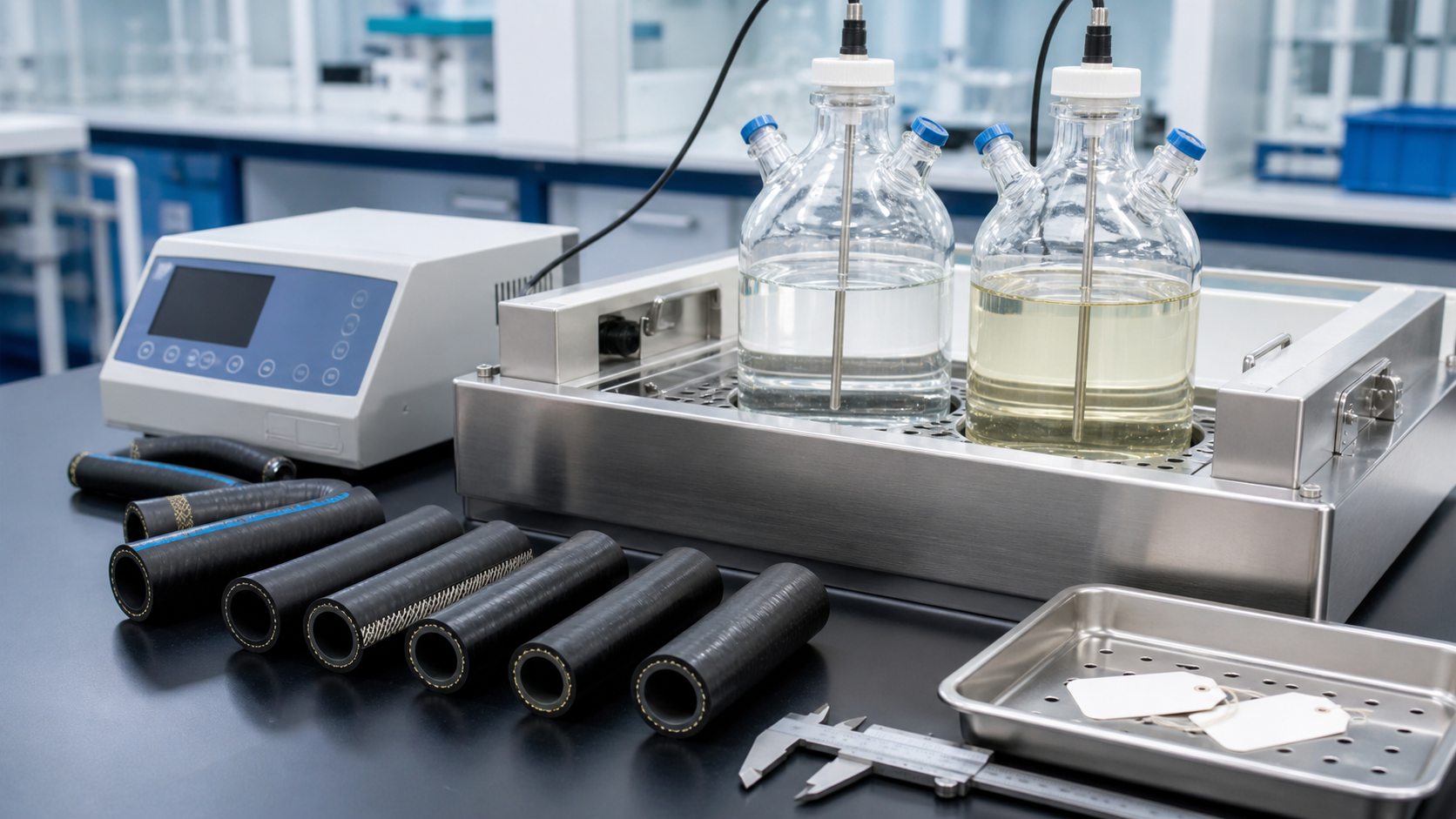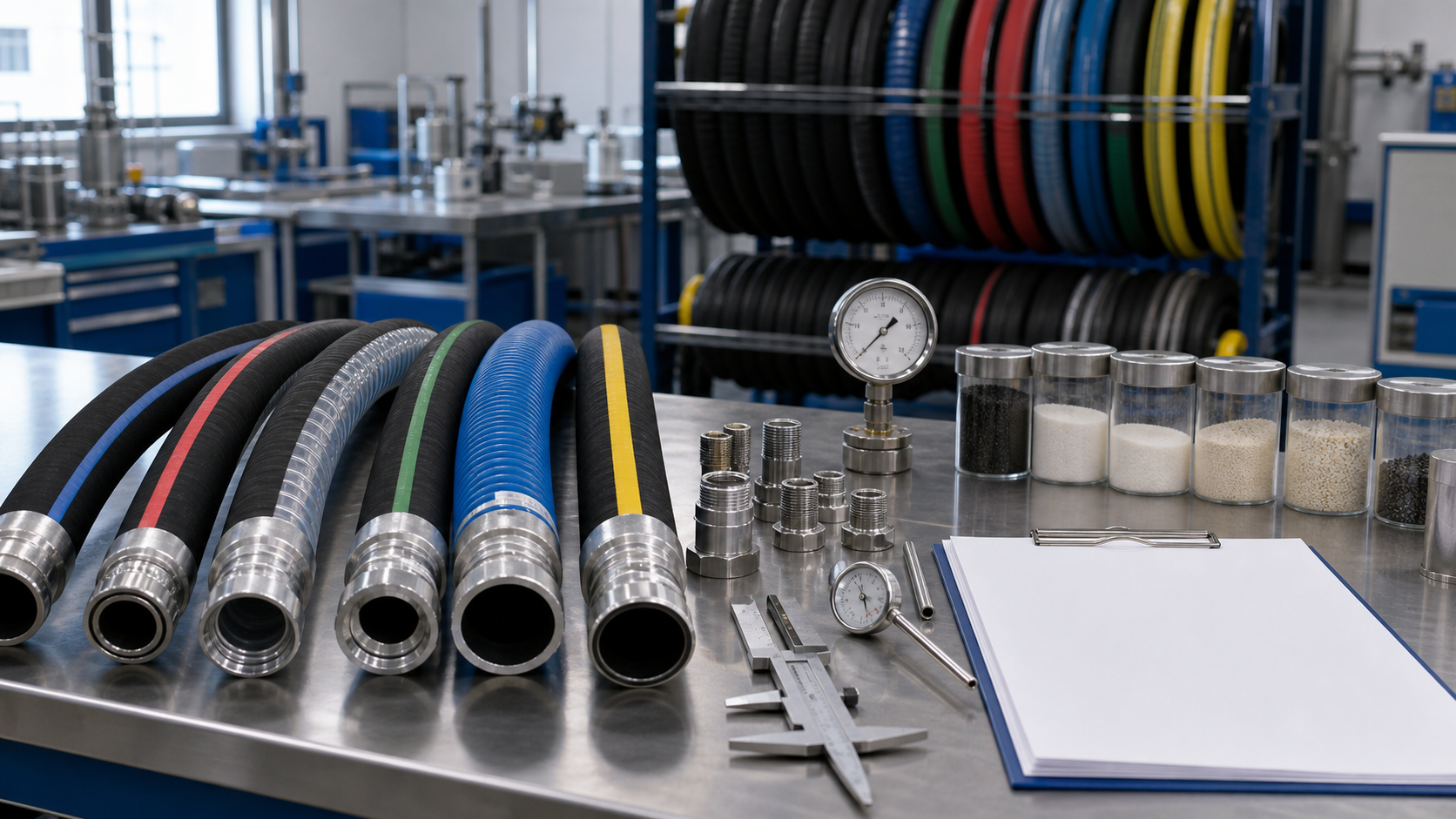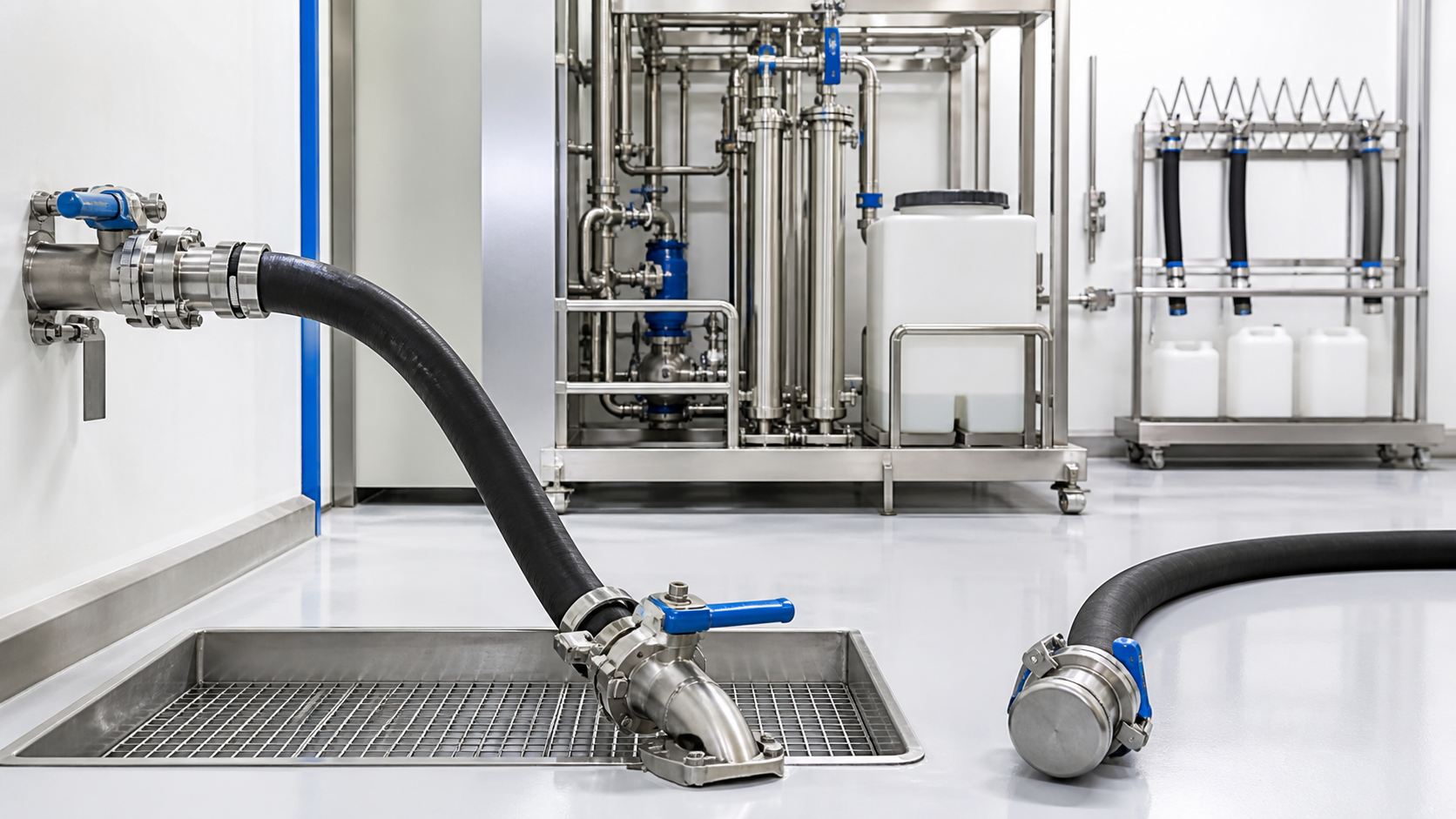
Sandblasting is a surface treatment process that uses compressed air to propel abrasive media at high speed against a material surface. It is widely used to remove rust, old paint, scale, dirt, and other contaminants, while also creating the right surface profile for coating, bonding, or finishing. Although many people still say “sandblasting,” the more accurate modern term is often abrasive blasting, because the process now uses many different blasting media besides natural sand.
From metal fabrication and equipment maintenance to construction, shipyards, and industrial repair, sandblasting remains one of the most effective methods for aggressive surface cleaning and preparation. In this guide, we will explain what sandblasting is, how it works, what equipment it needs, and how to choose the right sandblast hose for safe and efficient operation.
Sandblast, Sandblasting, and Abrasive Blasting: What Is the Difference?
These terms are often used interchangeably, but they are not always exactly the same.
Sandblast usually refers to the blasting action itself or to the equipment and hose used in the process.
Sandblasting describes the overall cleaning or surface preparation method.
Abrasive blasting is the broader technical term that includes all blasting methods using abrasive media, not only sand.
In practice, many buyers, operators, and maintenance teams still search for terms like sandblast hose, sandblasting hose, and sandblasting equipment, so these phrases remain highly relevant. However, when writing a more accurate technical article, it is helpful to explain that modern blasting applications may use steel grit, aluminum oxide, glass beads, garnet, walnut shell, soda, or other media depending on the job.
What Is Sandblasting?
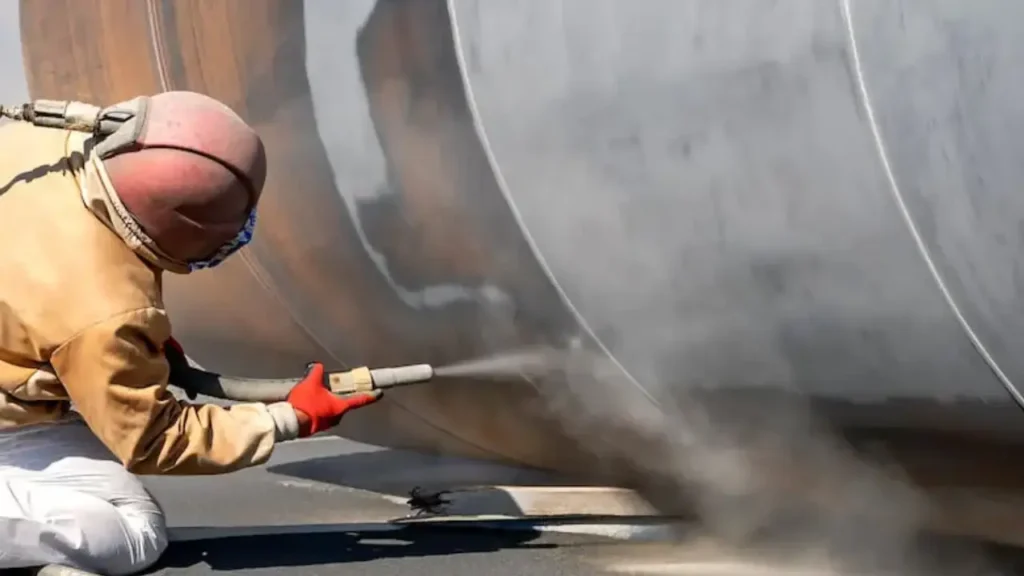
Sandblasting is a mechanical cleaning and surface treatment process in which abrasive particles are forced through a blasting system and discharged through a nozzle at high speed. When those particles strike the target surface, they remove contamination and alter the surface texture.
This process can be used for very different goals. In some cases, the purpose is to strip heavy rust or remove old coatings. In others, the goal is to clean a surface before painting, improve coating adhesion, roughen a substrate for bonding, or create a decorative finish.
Because the process is aggressive, the quality of the blasting system matters. Media flow, nozzle performance, hose durability, and static control all directly affect efficiency, safety, and operating cost.
What Does Sandblasting Do?
Sandblasting is valued because it can solve multiple surface problems in one process.
Rust and Corrosion Removal
For steel structures, machinery, tanks, pipelines, and fabricated components, sandblasting is one of the fastest ways to remove rust, oxidation, and corrosion buildup.
Paint, Coating, and Scale Removal
It is also commonly used to remove old paint, powder coating residue, mill scale, and hardened surface contamination before repair or repainting.
Surface Preparation
Many coatings fail not because the coating itself is poor, but because the surface underneath was not prepared correctly. Sandblasting creates a cleaner and rougher profile that helps primers, paints, and protective coatings adhere more effectively.
Cleaning and Finishing
In lighter-duty applications, blasting can clean castings, remove burrs, etch surfaces, or produce a uniform finish on metal, stone, concrete, and other materials.
How Does Sandblasting Work?
A standard sandblasting system works by combining compressed air, abrasive media, and controlled discharge through a hose and nozzle.
The basic process looks like this:
- An air compressor generates the airflow required for blasting.
- The blasting pot or blast tank holds the abrasive media.
- The media is metered into the air stream.
- The abrasive-air mixture travels through a sandblast hose.
- A nozzle accelerates the flow and directs it onto the work surface.
- The impact removes contamination and modifies the surface profile.
This sounds simple, but system balance is critical. If the hose is too narrow, too weak, or not abrasion resistant enough, flow becomes unstable and service life drops quickly. If the nozzle size does not match compressor output, blasting efficiency suffers. If static electricity is not properly dissipated, operator safety may be compromised.
That is why sandblasting performance is not only about the blasting media. It also depends on choosing the right hose, nozzle, pressure level, and overall system setup.
Common Sandblasting Media and When to Use Each
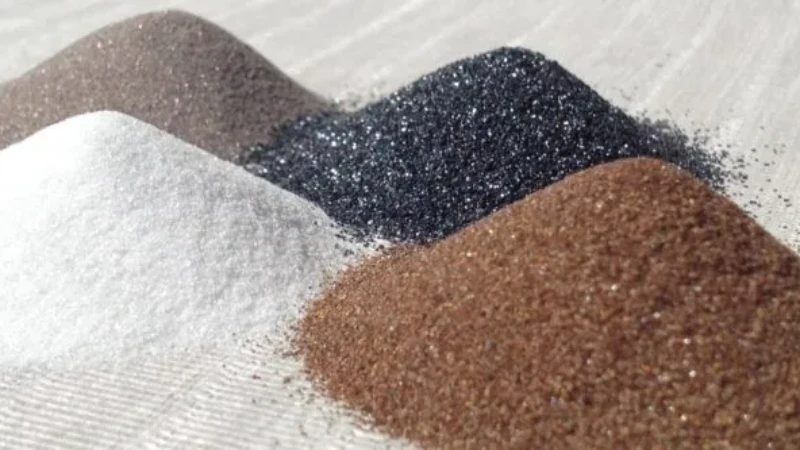
Different blasting jobs require different media. The right choice depends on the substrate, required finish, aggressiveness, recyclability, and cost.
Steel Grit and Steel Shot
Steel grit is aggressive and effective for heavy rust, scale, and coating removal on steel surfaces. Steel shot is often used when a smoother peening or cleaning effect is required. Both are common in heavy industrial and foundry environments.
Aluminum Oxide
Aluminum oxide is a hard, sharp, long-lasting abrasive often used for metal preparation, cleaning, and surface profiling. It is a common choice when a strong cutting effect is needed.
Garnet
Garnet is widely used because it offers a good balance of cutting power, low dust generation, and relatively consistent performance. It is common in both blasting and waterjet-related applications.
Glass Beads
Glass beads are less aggressive than steel grit or aluminum oxide and are often used when a cleaner, smoother surface finish is desired rather than heavy material removal.
Walnut Shells
Walnut shell media is softer and is often selected for more delicate cleaning tasks where the substrate should not be heavily damaged.
Soda Blasting
Soda blasting is used for lighter cleaning and certain restoration applications because it is less aggressive and easier on sensitive surfaces.
The key point is this: the more aggressive the abrasive and the harsher the duty cycle, the more important it becomes to use a heavy-duty sandblast hose designed for abrasive media transfer.
What Equipment Is Needed for Sandblasting?
A complete blasting setup normally includes the following components.
Air Compressor
The compressor provides the air volume and pressure needed to move media at effective blasting speed. Undersized compressors lead to unstable performance and low productivity.
Blast Pot
The blast pot stores the abrasive media and controls how it enters the air stream. Consistent media metering is essential for stable blasting.
Nozzle
The nozzle controls the discharge pattern, velocity, and blasting efficiency. Nozzle wear also affects output, so it needs regular inspection and replacement.
Sandblast Hose
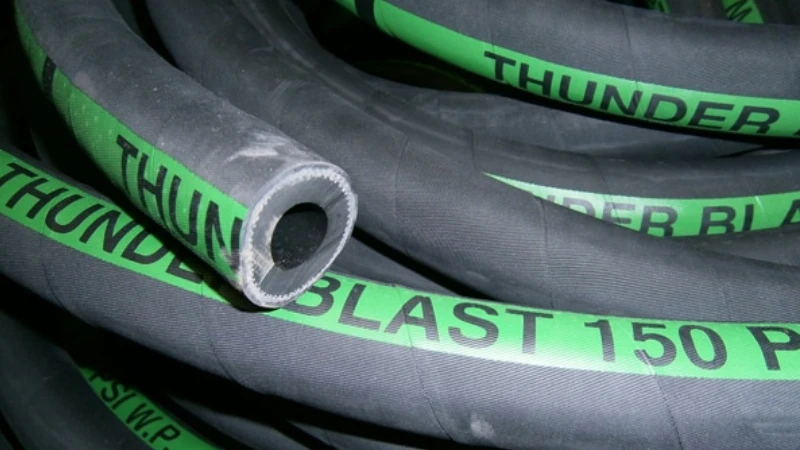
The hose carries the abrasive-air mixture from the blasting pot to the nozzle. This is one of the most critical parts of the system because it must handle constant abrasion, repeated flexing, and demanding industrial environments.
A proper sandblast hose should offer:
- strong abrasion resistance
- reliable flexibility
- stable pressure performance
- conductive or anti-static properties when required
- compatibility with blasting media and fittings
Safety Equipment
Operators also need proper PPE, including blasting helmets, respiratory protection, gloves, protective clothing, and hearing protection. Dust control and workplace ventilation are equally important.
How to Choose the Right Sandblast Hose
Not all hoses are suitable for abrasive blasting. Choosing the wrong hose can shorten service life, reduce blasting efficiency, and increase safety risks.
1. Check the Hose I.D.
The inside diameter affects media flow and pressure loss. A hose that is too small can restrict performance, while an oversized hose may reduce control or mismatch the nozzle setup.
2. Confirm Working Pressure
The hose must meet or exceed the system’s working pressure. Sandblast hose is often used in demanding industrial environments, so pressure rating should never be guessed.
3. Prioritize Abrasion Resistance
Abrasive media wears the inner tube constantly. High-quality sandblast hose is built specifically for long service life under abrasive flow conditions.
4. Consider Conductive Properties
Static electricity can build up during abrasive transfer. A conductive hose design helps dissipate static and improves operating safety, especially in continuous blasting applications.
5. Evaluate Flexibility and Handling
A hose may meet pressure and abrasion requirements but still be difficult to handle in real work conditions. Weight, bend behavior, and jobsite maneuverability all matter.
6. Match Hose Size to Nozzle and System
Hose, nozzle, and compressor should be selected as one system, not as separate parts. A strong blasting setup depends on balanced airflow, media flow, and operator control.
Typical Sandblasting Applications
Sandblasting is used across many industries because it is effective, scalable, and adaptable.
Metal Fabrication
Used for descaling, cleaning weld areas, and preparing fabricated steel parts for coating.
Construction and Infrastructure
Applied on structural steel, bridges, concrete surfaces, and repair projects where old coatings or contamination must be removed.
Shipyards and Marine Maintenance
Common for removing marine corrosion, old paint systems, and surface buildup from metal structures and equipment.
Automotive Restoration
Used to strip paint, remove rust, and prepare metal components before repainting or rebuilding.
Foundry and Heavy Industry
Suitable for cleaning castings, handling metal grit, and working in harsh industrial environments where durable hose performance is essential.
Sandblasting Safety Tips
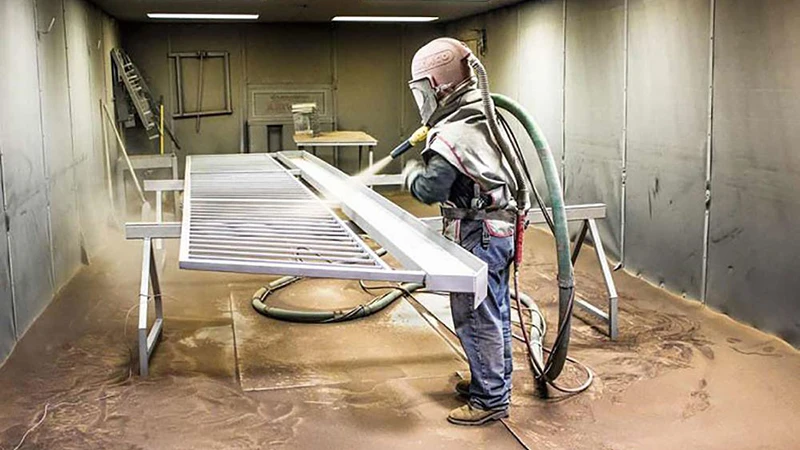
Sandblasting is effective, but it must be handled carefully.
Always inspect the hose, couplings, and nozzle before operation. Worn blasting hose should be replaced immediately. Use only properly rated equipment, and make sure fittings are secure before pressurizing the system.
Operators should wear full protective equipment, especially respiratory protection and eye and face protection. Dust, rebounding abrasive, and high-velocity particles can be hazardous in poorly controlled environments.
Static control should not be ignored. Conductive hose construction and correct grounding practices help reduce static-related risks. It is also important to keep bystanders away from the blasting zone and to use proper containment or dust collection when required.
Sandblasting vs. Power Washing
Although both methods are used for cleaning surfaces, they do very different jobs.
Power washing relies on pressurized water and is better for removing dirt, mud, and light surface contamination. Sandblasting is much more aggressive and is used when heavy rust, scale, old paint, or hardened coatings need to be removed.
If the goal is serious surface preparation before coating, abrasive blasting is usually the more effective option.
FAQ
Is sandblasting the same as abrasive blasting?
Not exactly. Sandblasting is a commonly used term, while abrasive blasting is the broader and more technically accurate term because many modern systems use media other than sand.
Is real sand still used in sandblasting?
In some markets and applications, yes, but many operators now use other abrasives such as garnet, steel grit, aluminum oxide, or glass beads depending on the job and safety requirements.
What hose is used for sandblasting?
A dedicated sandblast hose is used. It should be abrasion resistant, durable, flexible, and suitable for media transfer under blasting pressure. In many applications, conductive hose construction is also important.
Why is abrasion resistance important in sandblast hose?
Because abrasive media constantly wears the inner tube during operation. A hose made for ordinary air or water service will wear out much faster under sandblasting conditions.
What industries use sandblasting most often?
Sandblasting is widely used in metal fabrication, construction, marine maintenance, equipment repair, foundries, and automotive restoration.
What should I look for when buying a sandblast hose?
Focus on hose I.D., working pressure, inner tube abrasion resistance, conductive design, flexibility, and how well the hose matches your nozzle and blasting system.
Need a Durable Sandblast Hose for Abrasive Blasting?
If your operation involves sand, metal grit, foundry waste, or other abrasive media, the hose should be selected as carefully as the compressor and nozzle. A heavy-duty sandblast hose helps improve service life, maintain stable flow, and support safer operation in harsh industrial conditions.
At Kingdaflex, we supply sandblast hose solutions designed for abrasive blasting applications, with a focus on durability, stable performance, and industrial reliability. If you are comparing hose sizes, pressure ratings, or application requirements, a product-focused selection page can help you choose the right hose for your blasting system.