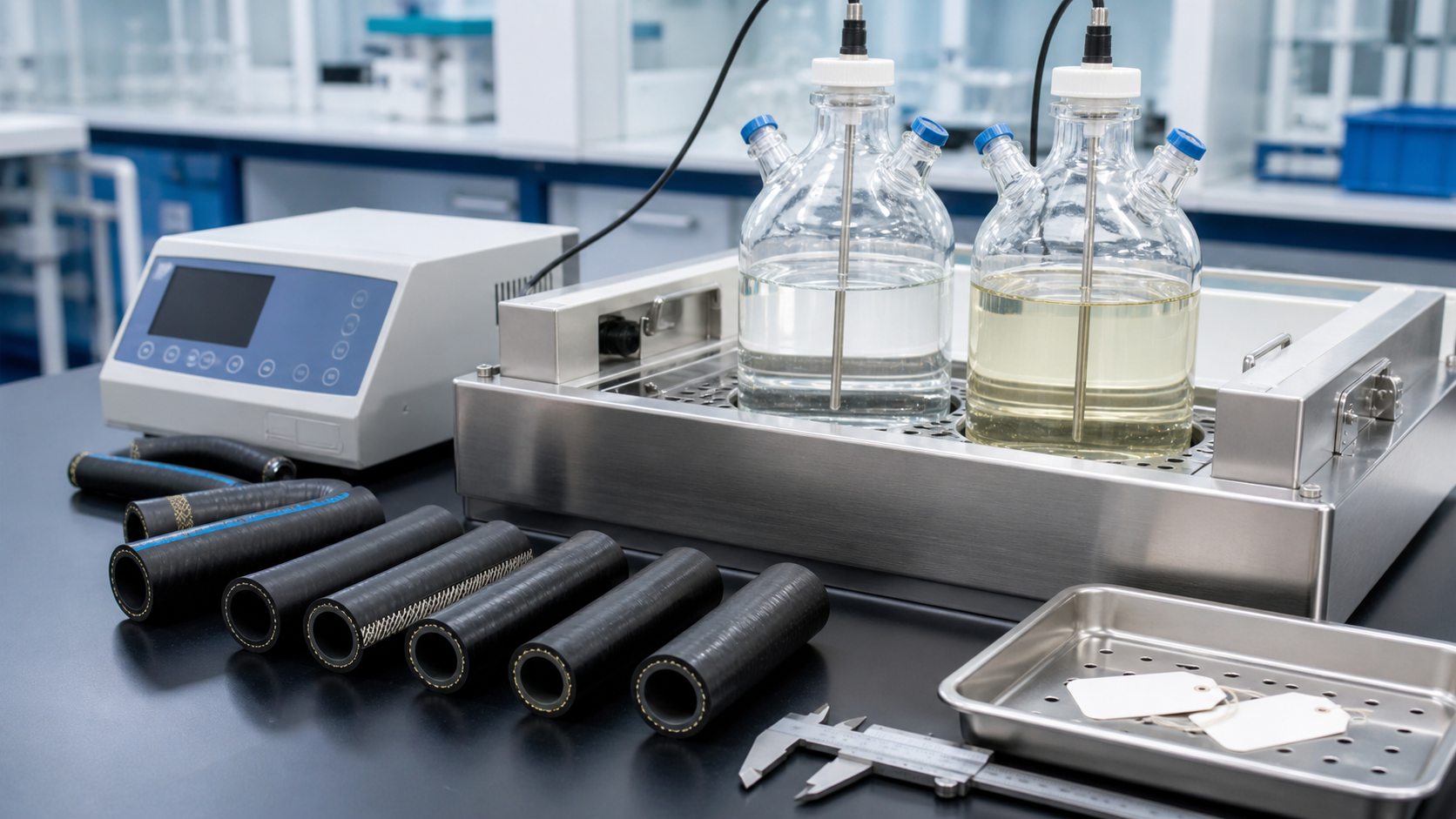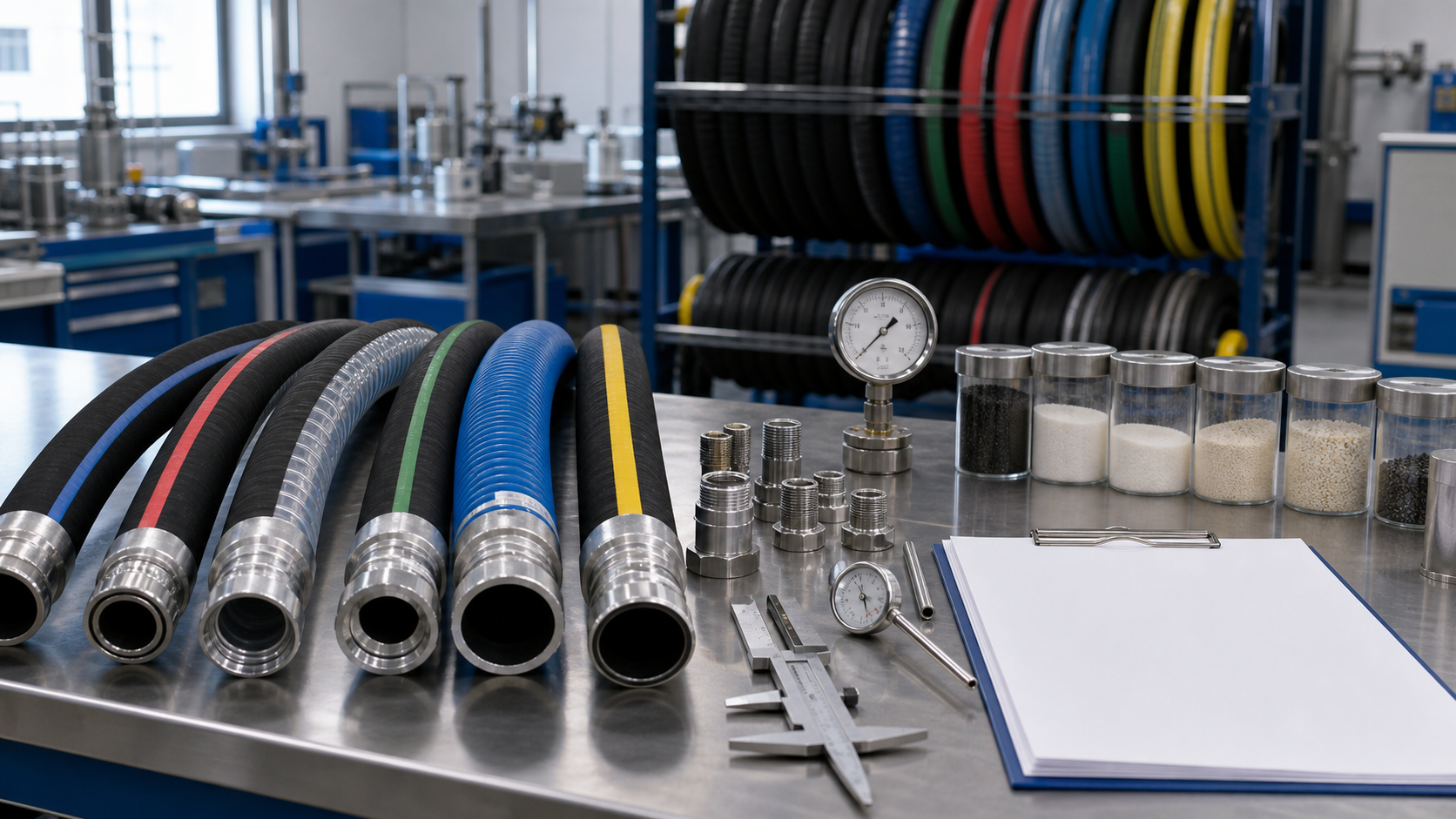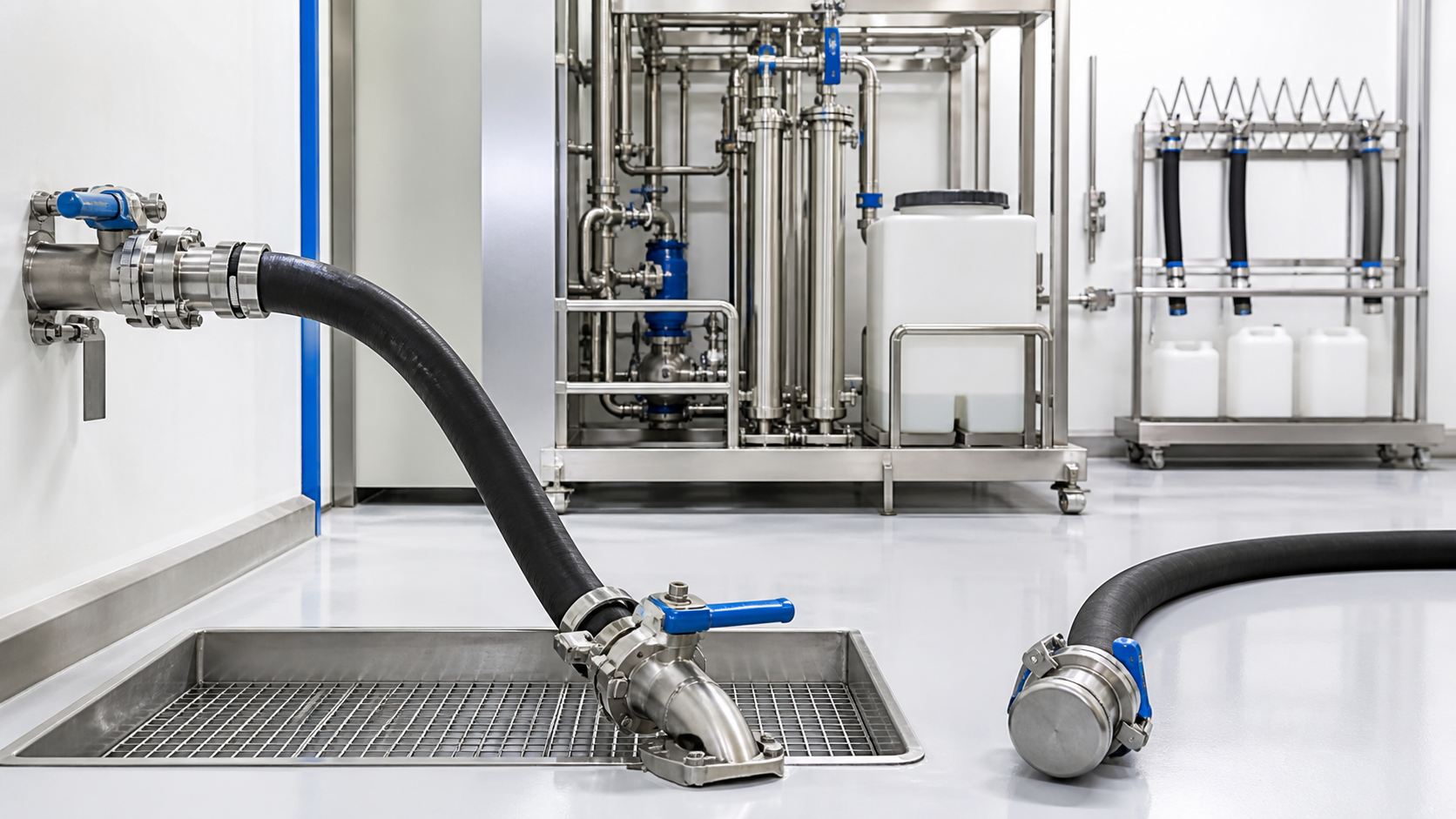
Extreme temperatures can change how hydraulic hoses work in mining. You need to know how hose materials react to keep your site safe. This also helps your equipment keep running. For example, synthetic rubber hoses are very strong. They also resist chemicals and big temperature changes. Kingdaflex uses these hoses. Look at the table below for a quick comparison:
Material Type | Temperature Resistance | Chemical Resistance | Durability |
|---|---|---|---|
Natural Rubber | Moderate | Limited | High |
Synthetic Rubber (Nitrile, EPDM, Neoprene) | High | High | Very High |
Picking the right hose material helps you stop breakdowns. It also helps you avoid accidents at work.
Impacts of Extreme Temperatures on Hydraulic Hoses
Performance and Efficiency
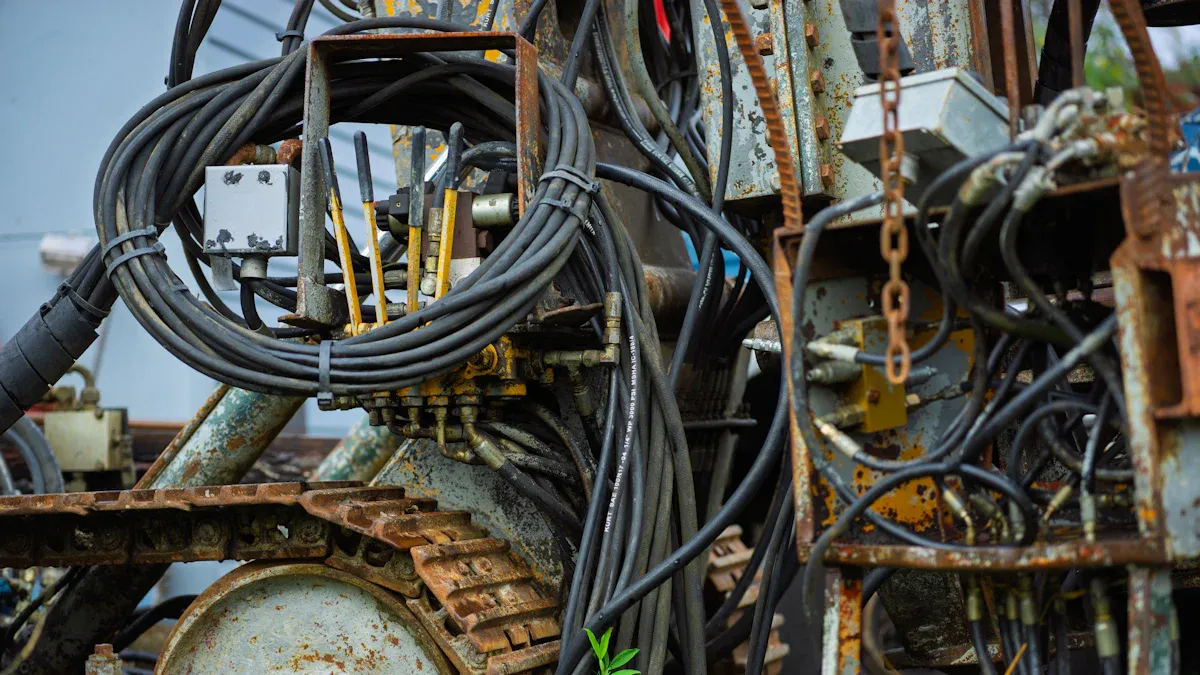
Mining equipment needs to work well every day. When it gets very hot or cold, hydraulic hoses can act differently. High heat or freezing cold changes how fluids move inside hoses. This can make machines run less smoothly.
Here is a table that shows common performance issues you might see when hydraulic hoses face extreme temperatures:
Performance Issue | Description |
|---|---|
Degradation due to heat | High temperatures can cause hoses to lose flexibility and become more prone to damage. |
Leakage | Degradation can lead to leaks, compromising the hydraulic system’s efficiency. |
Chemical deterioration | Exposure to chemicals can weaken hose materials, affecting their strength and integrity. |
Extreme temperatures change how thick hydraulic fluid is. Cold weather makes fluid thicker and harder to move. Hot weather makes fluid thinner and less able to protect equipment. Both hot and cold lower efficiency and cause more wear.
Temperature Effect | Description |
|---|---|
Viscosity Changes | Cold temperatures increase viscosity, making fluid thicker and more resistant to flow, while high temperatures decrease viscosity, making fluid thinner with reduced lubricating ability. |
Seal Integrity | High temperatures can damage seals and gaskets, causing them to harden or crack, while low temperatures can make them brittle and prone to fracturing. |
System Efficiency | Both extremes lead to reduced performance, increased wear, and potential failure of hydraulic systems. |
Kingdaflex hydraulic hoses help stop these problems. They are made to handle very hot and cold temperatures. This keeps mining equipment working well.
Durability and Lifespan
You want hydraulic hoses to last a long time. Extreme temperatures can make hoses wear out faster. If hoses get too hot, the material breaks down. This makes hoses stiff and easy to crack. If hoses get too cold, they can snap under pressure. Both hot and cold speed up damage.
Very high temperatures, especially above 100°C, make hoses lose flexibility. This makes them more likely to break. High heat also causes more abrasion and chemical damage. Over time, these problems mean you need to replace hoses more often and spend more money.
Kingdaflex hoses are made differently. They use strong materials and smart designs to resist damage from extreme temperatures. You get hoses that last longer and need fewer replacements, even in tough mining jobs.
Safety Concerns
Safety is very important in mining. Extreme temperatures can make hydraulic hoses unsafe. If a hose cracks or leaks, fluid can spray out. This can cause slips, fires, or equipment to stop working. Broken hoses can also put workers in danger.
Kingdaflex hydraulic hoses meet strict safety rules. They are tested for both hot and cold conditions. Here are some ways Kingdaflex hoses keep your site safe:
They handle extreme temperatures to keep people safe and machines working.
High temperature limits help hoses stay strong and keep fluid moving in hot places.
Low temperature limits keep hoses flexible in cold places, so they do not break.
Kingdaflex hoses meet global safety standards, so you can trust them in mining.
Tip: Check your hoses often for signs of damage, especially after hot or cold weather. Finding problems early helps stop accidents and keeps everyone safe.
By picking Kingdaflex, you protect your workers and equipment from dangers caused by extreme temperatures.
High Temperatures and Hydraulic Systems

Material Degradation
High temperatures can cause big problems for hydraulic systems. When mining equipment gets hot, hose materials can break down faster. Some hose materials handle heat better than others. Check this table to see how each material reacts to heat:
Material | Maximum Temperature | Characteristics |
|---|---|---|
PTFE (Polytetrafluoroethylene) | 260°C (500°F) | Great at resisting heat, does not react with chemicals, slides easily, but is pretty stiff. |
Silicone | 200°C (392°F) | Very flexible, stays stretchy, resists ozone and sunlight, but can cost more. |
High-Grade Synthetic Rubber | 150°C (302°F) to 204°C (400°F) | Stays flexible, resists heat well, used in cars and factories. |
If you pick the wrong hose material, it can break down from heat. Over time, hoses can lose flexibility, crack, or leak. Heat can make rubber hard and weaken the layers inside. This causes damage and makes hoses wear out faster. Kingdaflex hoses use oil-resistant tubes and tough covers to fight high heat. These features help hoses last longer, even in very hot places.
Fluid Viscosity Changes
When hydraulic systems get hot, fluid changes. High heat makes hydraulic fluid thinner. Thin fluid can leak inside the system more easily. This lowers the power of your equipment. Here are some effects you might see:
Thin fluid leaks more inside hoses.
Less thick fluid makes hydraulic systems work less well.
High heat wears out seals faster, causing leaks and dirt to get in.
Hot fluid can turn into sludge and acids, which hurt parts.
You should watch for these changes in fluid. If you ignore them, your equipment may not work right. You could have expensive repairs.
Seal and Fitting Issues
High heat also affects seals and fittings. Heat makes materials expand and shrink, which stresses connections. Here is a table showing common reasons seals and fittings fail:
Cause of Failure | Description |
|---|---|
Wear & Abrasion | Hoses can leak from rubbing or dust. |
Improper Routing & Bend Stress | Bending too much or twisting weakens hoses. |
Fitting Failure & Sealing Issues | Loose fittings or broken O-rings cause leaks at joints. |
Material Degradation | High heat and wrong fluids break down hoses and seals. |
Corrosion & Chemical Wear | Dirty fluids speed up corrosion, making seals and fittings weak. |
Kingdaflex hoses help stop these problems. They use a special fitting system that grips the tube and wire. This design stops vibration and keeps leaks away. The strong cover protects against dust and rubbing, keeping seals safe in hot mines. Kingdaflex hoses pass tough tests and meet MSHA safety rules. You can trust them to keep your hydraulic systems safe.
Tip: Always check hoses and fittings after working in heat. Finding wear or leaks early can stop bigger problems later.
Low Temperatures and Hydraulic Hoses
Brittleness and Cracking
Mining often happens in places with very cold weather. Cold air can make hydraulic hoses brittle. Brittle hoses crack and break without warning. Some hose materials cannot handle freezing temperatures. You must pick the right material to stop these problems.
Here is a table that shows which materials work best in low temperatures:
Material Type | Temperature Range | Properties |
|---|---|---|
EPDM | -40°F to -70°F | Stays flexible in freezing weather |
Nitrile Blends | -40°F to -70°F | Fights brittleness and chemical damage |
Thermoplastics | -40°F to -70°F | Flexible and strong in cold |
Kingdaflex hoses use these special materials. This helps stop cracks and keeps your equipment safe in cold weather.
Reduced Flexibility
Hydraulic hoses get stiff when it is cold outside. Stiff hoses are hard to bend and move. If you try to bend them, they can crack or break.
Cold weather can really hurt hydraulic systems. Extreme cold can change hose flexibility forever. When hoses warm up, they can still stay stiff and crack. Rubber and other elastomers in hoses get brittle in cold air. Cold also makes hydraulic fluid thicker. Thick fluid cannot spread well and does not lubricate parts evenly.
Kingdaflex hoses use special compounds to stay flexible in freezing weather. These hoses bend easily, even when it is cold. Special elastomers and cold-resistant materials help hoses keep their flexibility during temperature changes.
Pressure and Flow Challenges
Cold weather affects more than just hose flexibility. It also changes how hydraulic fluid moves. When it is cold, fluid gets thick and hard to pump. This causes problems:
Fluid moves slowly, so equipment reacts slower.
Thick fluid raises pressure before the filter and may skip the filter.
Unfiltered fluid can get into the system and hurt important parts.
Thick fluid holds more air, which can cause cavitation and damage inside.
Kingdaflex hoses are made for tough cold conditions. Their strong build and wide temperature range help your mining equipment work well, even in freezing weather.
Preventive Measures for Mining Operations
Material Selection
You must pick the right hoses for your mine. The hose material you choose affects safety and how well things work. Always check the temperature of the fluid and air near your machines. Make sure your hoses can handle the hottest and coldest days. If hoses cannot take the heat or cold, they might get hard, soft, or crack. This can make machines work badly or even break. You also need to check the pressure rating. Hoses should handle more than your system’s highest pressure. Kingdaflex hoses have three layers. They use an oil-resistant tube, a strong middle layer, and a tough cover. These hoses work well in very hot or cold mines and help your machines run better.
Think about both the air and fluid temperature.
Pick hoses that can handle your system’s pressure or more.
Choose materials that do not wear out fast in hot or cold weather.
Insulation and Protection
Keeping hoses safe from extreme temperatures helps them work well. Insulation keeps the fluid inside at the right temperature. This stops the fluid from getting too hot or too cold. It also helps the fluid flow smoothly. You can use covers made of fiberglass or other materials that do not let heat pass through easily. Thick rubber or metal armor helps hoses keep their shape when things get heavy. Kingdaflex has hose covers that make hoses last longer. Their hoses have four to six layers of steel wire. This helps them handle high pressure and hard hits. The outside cover fights off scratches, ozone, and bad weather. This means hoses last longer in tough mines.
Aspect | Details |
|---|---|
Purpose | Keeps the fluid in the hose at the right temperature. |
Material | Made from things like fiberglass that do not let heat pass. |
Applications | Good for very hot or cold places. |
Benefits | Stops the fluid from getting too hot or cold, so it flows well. |
Inspection and Maintenance
Checking hoses often keeps them safe and working well. In very hot or cold weather, check hoses twice as much. Look for cracks, leaks, or stiff spots. Fixing problems early stops bigger trouble and keeps machines running. Good care can stop most hose breaks. This means less time fixing things and more money saved. Hoses that get checked often can last over 4,500 hours. Kingdaflex gives you special plans and services to help you check and care for hoses. Their hoses come with different ends and couplings. This makes sure you get tight, leak-free connections every time.
Tip: Make a plan to check hoses. Write down what you see. Change hoses before they break to keep things safe and working well.
Extreme temperatures make hydraulic hoses stretch, shrink, and get stiff. This can lead to leaks, pressure loss, or hoses breaking.
Hoses get hard and can crack when it is cold.
Fluid gets thicker or thinner, which makes machines work worse.
Checking hoses often and using good clamps helps stop damage.
Picking Kingdaflex hoses makes your site safer and more dependable:
Metric | Improvement | Impact on Safety |
|---|---|---|
Hose failures | 68% less | Fewer leaks, less risk |
Downtime | 70% less | More uptime |
Fluid spillage | 70% less | Safer environment |
You can ask for special hose options, get help with records, and use new ideas from Kingdaflex. Set up a check or go to Kingdaflex’s website to get expert advice.