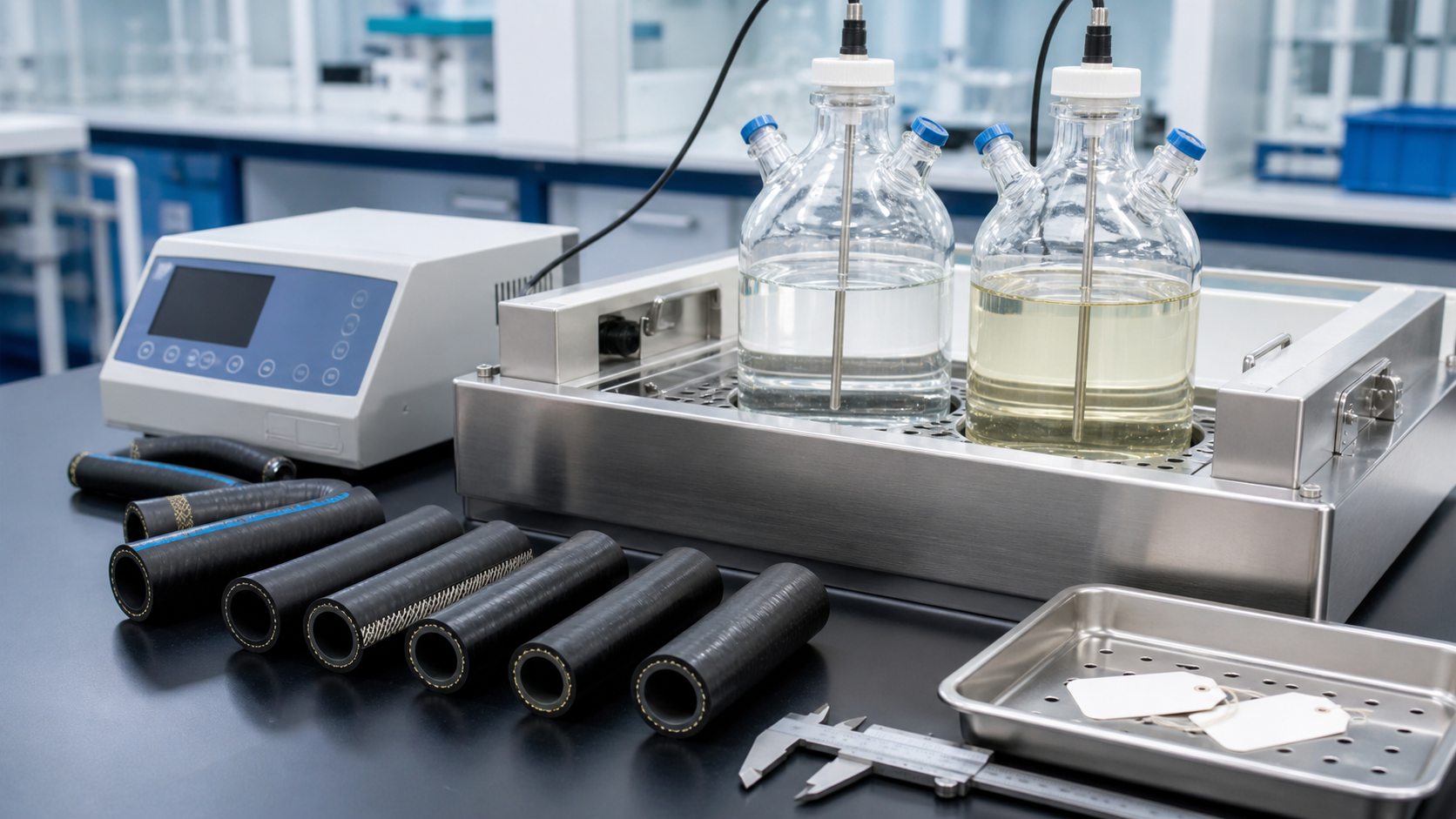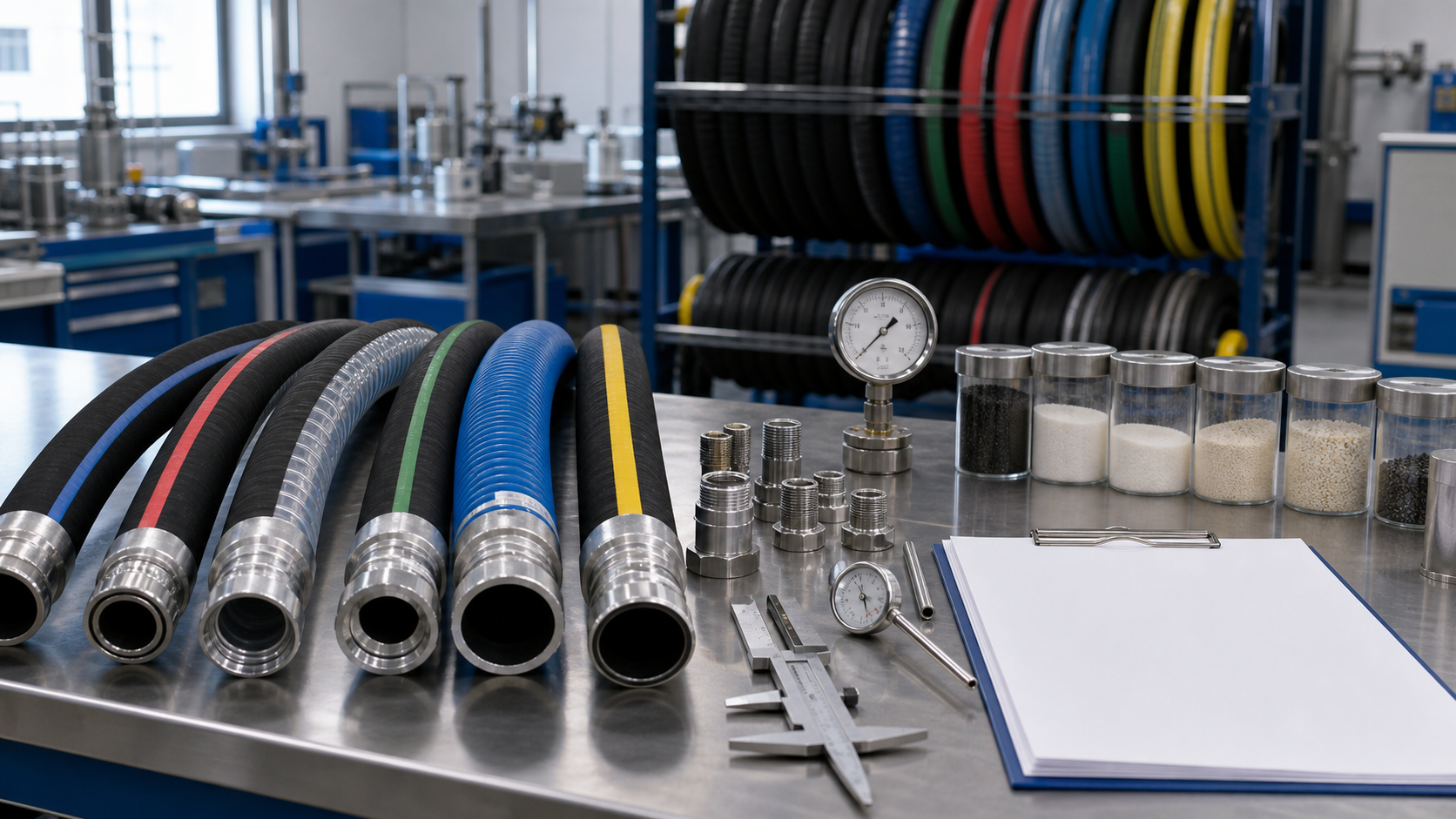
In mining, the top five causes of hydraulic hose failure include external abrasion, improper routing, pressure surges, fluid contamination, and high temperatures. When a hydraulic system fails, you face serious safety risks like bursts, leaks, and fire hazards. Downtime can cost the mining sector up to $3 billion each year. Regular inspection and prevention help reduce failures by 75%, saving valuable time and money. Kingdaflex delivers reliable hydraulic hoses that help you protect your team and equipment.
Mining Downtime and Hydraulic Hose Failure
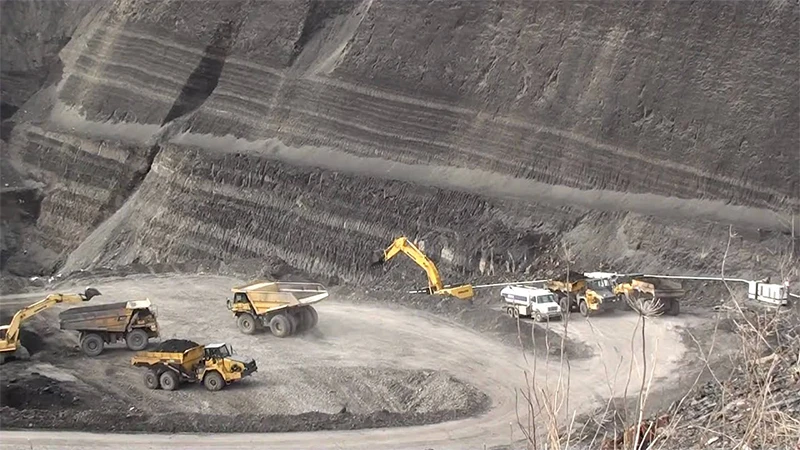
Financial and Safety Impact
When a hydraulic hose fails in a mining operation, the consequences go far beyond the cost of a simple repair. You face a chain reaction of problems that can disrupt your entire site. Here are some of the most common impacts:
- Lost productivity as machines stop working and crews wait for repairs
- Safety hazards from high-pressure leaks or the sudden movement of a broken hose
- Environmental risks if hydraulic fluid spills onto the ground
- Increased repair costs when nearby components get damaged
- Missed deadlines and penalties if your project falls behind schedule
You also need to consider the hidden costs that come with hydraulic hose issues. These often include:
- Production losses, which can add up quickly in high-value mining operations
- Emergency repair labor, often requiring overtime and extra technicians
- Replacement of not just the hose, but also any damaged parts nearby
- Equipment rental or substitution, which can slow down your work
- Project timeline impacts, leading to missed milestones and possible contract penalties
- Quality and rework expenses if failures cause further problems
- Environmental remediation, including cleanup and compliance costs
- Safety incidents and liability, which can increase insurance premiums and medical expenses
The Need for Proactive Prevention
You can avoid many of these problems by taking a proactive approach to maintenance and prevention. Regular checks and smart planning help you catch small issues before they become big failures. The most effective strategies include:
| Prevention Strategy | Description |
|---|---|
| Regular Inspections | Check hoses for wear, leaks, and damage to spot problems early. |
| Training and Education | Teach your team how to handle and maintain hoses properly. |
| Proper Routing and Support | Plan hose routes to prevent damage and secure them against movement. |
| Selecting High-Quality Hoses | Use hoses designed for mining to reduce the risk of failure. |
Kingdaflex hydraulic hoses give you an advantage in this area. Their hoses meet strict quality standards and are built for tough mining environments. By choosing Kingdaflex, you reduce the risk of unexpected downtime and protect your team from safety hazards. You also save money by avoiding the hidden costs that come with hydraulic hose failure.
Common Causes of Hydraulic Hose Failure in Mining
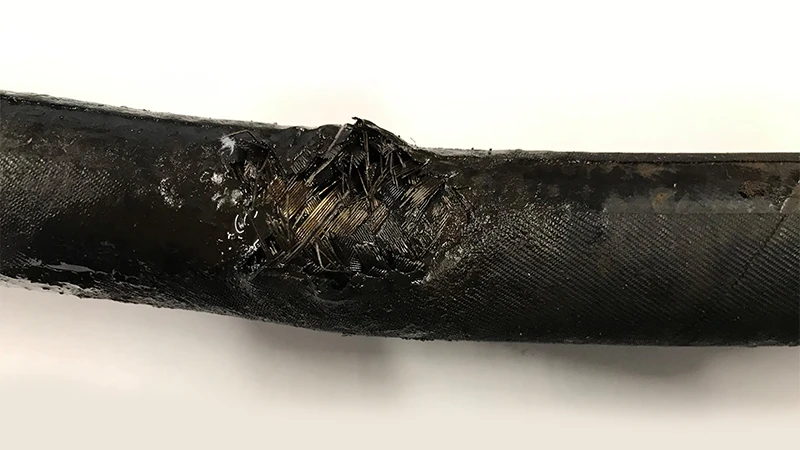
External Abrasion
Abrasive Mining Environments
Mining sites expose hoses to rocks, dust, and heavy machinery. You often see hoses dragged across rough surfaces or squeezed between moving parts. This constant contact leads to hydraulic hose abrasion, which weakens the outer cover. Over time, you may notice surface fraying, hydraulic hose blistering, or even a hydraulic hose crack. If you ignore these signs, the hose can fail suddenly, causing a hydraulic hose burst and putting your team at risk.
Abrasion-Resistant Covers
You can prevent many abrasion-related hydraulic hose issues by choosing hoses with advanced protection. Kingdaflex uses ultra-wear synthetic rubber covers that last up to ten times longer than standard hoses in abrasive environments. These covers help you extend replacement intervals and reduce downtime. Kingdaflex hoses also meet MSHA safety standards, so you get certified flame resistance and thermal stability for underground mining. Here’s a quick look at how Kingdaflex features address common causes of hydraulic hose failure:
| Feature | Description | Benefit |
|---|---|---|
| Superior Abrasion Resistance | Ultra-Wear Synthetic Rubber Cover | Extends replacement intervals by preventing surface fraying and degradation in abrasive environments. |
| Certified Safety & Thermal Stability | MSHA compliant materials | Prevents fire hazards and ensures flexibility in extreme temperatures. |
Improper Routing and Bend Radius
Routing Errors and Stress Points
Improper routing is one of the most common causes of hydraulic hose failure in mining. If you bend a hose too tightly or route it around sharp corners, you create stress points. These errors can lead to kinks, hydraulic hose crack, or even hose blistering. When hoses rub against metal edges or get pinched, the damage builds up quickly. You might see leaks or sudden bursts if you do not follow the correct bend radius.
Flexible Hose Solutions
Kingdaflex offers high pressure hoses with flexible designs that make routing easier. You can install these hoses in tight spaces without risking damage. The smooth outer cover helps you avoid snagging and abrasion. Kingdaflex also provides support for proper installation, so you can reduce stress points and extend hose life. Their hoses feature precision-matched crimped fittings, which ensure a 100% leak-proof connection and prevent fluid loss.
Pressure Surges and Pulse Fatigue
High-Pressure Spikes
Mining equipment often operates under extreme conditions. You may experience sudden pressure surges or spikes when machinery starts or stops. These high-pressure hydraulic hoses face rapid changes in force, which can cause pulse fatigue. Over time, repeated surges weaken the hose structure and lead to hydraulic hose burst or leaks.
Impulse-Tested Hoses
Kingdaflex hoses are engineered for longevity under high pressure. Each hose is tested for over 1,000,000 impulse cycles, guaranteeing no-burst performance. This means you can trust your hoses to handle pressure spikes without failing. The robust construction protects your hydraulic system and helps you avoid costly downtime.
Fluid Contamination
Contaminant Sources
You face many risks when contaminants enter your hydraulic system. Dirt, dust, and water can get inside hoses during maintenance or hose changes. Metal shavings from worn parts may also enter the fluid. Sometimes, you might use incompatible hydraulic fluids, which can break down hose materials. These contaminants cause swelling, softening, or even a hydraulic hose crack. Over time, you may notice leaks, reduced system performance, or a sudden hydraulic hose burst.
Common sources of contamination include:
- Poor storage or handling of hoses and fittings
- Using dirty tools or containers during fluid transfer
- Failing to clean new hoses before installation
- Internal wear from pumps or valves
- Mixing different fluid types without checking compatibility
Prevention with Quality Control
You can prevent most contamination problems by following strict quality control steps. Always store hoses in clean, dry areas. Use sealed containers for hydraulic fluids. Clean all tools and fittings before use. When you install a new hose, flush it with clean fluid to remove any debris. Regularly check and replace filters in your hydraulic system.
Kingdaflex supports your efforts with hoses that meet SAE and DIN standards for cleanliness and material quality. Their hoses resist swelling and softening, even when exposed to challenging fluids. Kingdaflex also offers technical support to help you select the right hose for your fluid type, reducing the risk of failure.
High-Temperature Damage
Heat Aging Effects
Mining equipment often works in hot environments. High temperatures can cause the rubber in hoses to age faster. You may see the outer cover harden, crack, or show signs of hydraulic hose blistering. The inner tube can become brittle, leading to leaks or a complete hydraulic hose failure. If you ignore these warning signs, you risk sudden breakdowns and expensive repairs.
Heat-Resistant Hoses
Kingdaflex offers heat-resistant hydraulic hoses designed for extreme mining conditions. These hoses use special synthetic rubber blends that withstand temperatures up to 100°C. The outer cover resists both heat and ozone, so you get longer service life. Kingdaflex hoses also maintain flexibility in cold weather, making them reliable year-round. By choosing these hoses, you protect your equipment from heat aging and reduce downtime.
Incorrect Fitting Installation
Fitting Compatibility
Incorrect fitting installation is one of the common causes of hydraulic hose failure. If you use the wrong fitting or do not tighten it properly, you may see leaks or even a hose blow-off. Fittings must match the hose type and size. Incompatible fittings can damage the hose end, causing a hydraulic hose crack or burst. Always check the manufacturer’s recommendations before installing any fitting.
Precision Assemblies
Kingdaflex provides precision assemblies that ensure a perfect fit every time. Their fittings match each hose type, so you avoid compatibility problems. Kingdaflex uses advanced crimping machines to create leak-proof connections. You also get training and support to help your team install hoses correctly. This reduces the risk of hydraulic hose issues and keeps your mining operation running smoothly.
Hydraulic Hose Abrasion in Mining
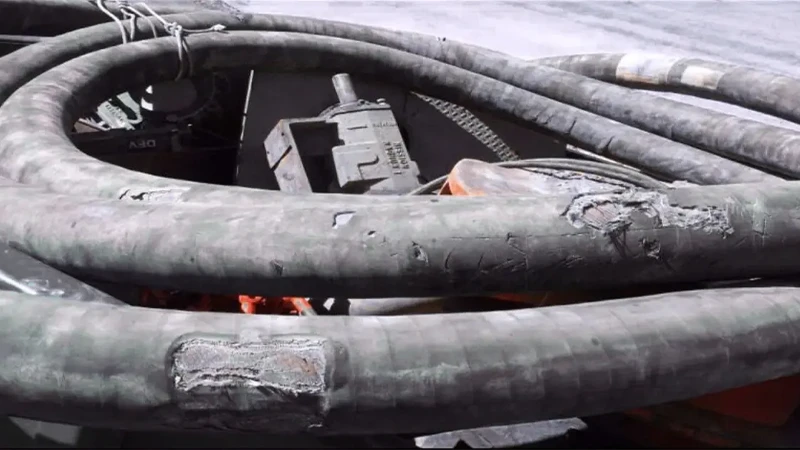
Abrasion Failure Modes
You work in mining, so you know how tough the environment can be on your equipment. Hydraulic hose abrasion happens when hoses rub against rocks, metal edges, or other surfaces. This constant friction wears away the outer cover of the hose. Once the cover thins out, the inner reinforcement becomes exposed. When this happens, moisture and corrosive materials can reach the steel wire or textile layers inside the hose. Corrosion weakens the hose, making it more likely to burst or leak.
Several factors in mining make abrasion worse:
- Mining sites contain sharp rocks, ore, and slurry that scrape against hoses.
- Equipment often operates in extreme temperatures and hazardous conditions, which speed up wear and tear.
- Continuous movement and vibration from heavy machinery increase the chance of hoses rubbing against surfaces.
- Even a slight twist in a hose can shorten its service life.
- Corrosion of hose materials and fittings becomes a bigger problem when the outer cover is damaged.
You might notice fraying, cracks, or blisters on the hose surface. If you ignore these warning signs, you risk sudden hose failure, which can stop your operation and create safety hazards.
Prevent Hydraulic Hose Failure with Kingdaflex Covers
You can prevent hydraulic hose failure by choosing hoses with advanced abrasion-resistant covers. Kingdaflex designs its hoses for the harshest mining environments. Their hoses use ultra-wear synthetic rubber covers that last much longer than standard options. These covers protect the inner layers from both abrasion and corrosion.
Kingdaflex hoses meet MSHA (Mine Safety and Health Administration) standards for flame resistance and anti-static properties. This means you get extra safety in underground mining, where fire hazards are a real concern. When you use Kingdaflex hoses, you also benefit from:
- EPDM inner linings and wire-braid reinforcement, which boost durability against moisture and abrasion.
- Longer hose life—some mining operations have seen hose life triple within nine months after switching to abrasion-resistant models.
- Fewer emergency repairs and less downtime, which means your team stays productive.
- Improved safety, with no unplanned pressure-hose ruptures after upgrading to Kingdaflex hoses.
For extra protection, you can add a hose protective sleeve to shield hoses from direct contact with abrasive surfaces. This simple step helps you extend hose life and reduce maintenance costs. By investing in abrasion-resistant technology, you keep your mining operation running smoothly and safely.
Prevent Hydraulic Hose Failure from Routing Issues
Minimum Bend Radius Violations
When you install hydraulic hoses in mining equipment, you must pay close attention to how you route them. If you bend a hose too tightly or ignore the minimum bend radius, you risk serious problems. The minimum bend radius is the smallest curve you can safely make with a hose without causing damage. If you go tighter than this, the hose can kink. Kinking blocks the flow of hydraulic fluid and puts extra pressure on the hose walls. This can cause the inner tube to collapse, leading to reduced flow, leaks, or even a sudden rupture.
Ignoring the bend radius of the hydraulic hose also causes the hose to wear out faster. Excessive bending creates stress inside the hose. Over time, this stress leads to cracks, fractures, and weak spots. In mining, where equipment runs under high pressure and heavy loads, these weak spots can fail without warning. You might see unplanned downtime, environmental spills, or even safety hazards for your team.
Improper routing is a common issue in mining. When hoses rub against sharp edges or get pinched between moving parts, they wear out quickly. Kinks and tight bends also make it harder for fluid to move, which increases pressure and speeds up internal wear. Following the correct routing guidelines helps you avoid these risks and keeps your equipment running longer.
Kingdaflex Routing and Installation Support
You can prevent most routing-related hose failures by following a few best practices. Here are some simple steps you can take:
- Provide enough slack in the hose to allow for movement and pressure changes.
- Avoid clamping hoses at bends. Let the hose flex naturally to reduce stress.
- Use angle adapters instead of forcing sharp bends.
- Make sure hoses are long enough to distribute movement and prevent wear in one spot.
- Clamp hoses at changes in direction to keep them aligned and prevent twisting.
- Use adapters to create smooth routing paths and reduce abrasion.
- Keep all bends in the same plane to avoid twisting and possible rupture.
Kingdaflex supports you with flexible hose designs that make routing easier, even in tight spaces. Their hoses handle tough mining conditions and maintain their shape under pressure. Kingdaflex also offers technical support and training to help you install hoses correctly. By choosing Kingdaflex, you get hoses that last longer and reduce the risk of sudden failures. You protect your equipment, your team, and your bottom line.
Pressure Surges and Common Hydraulic Hose Failures
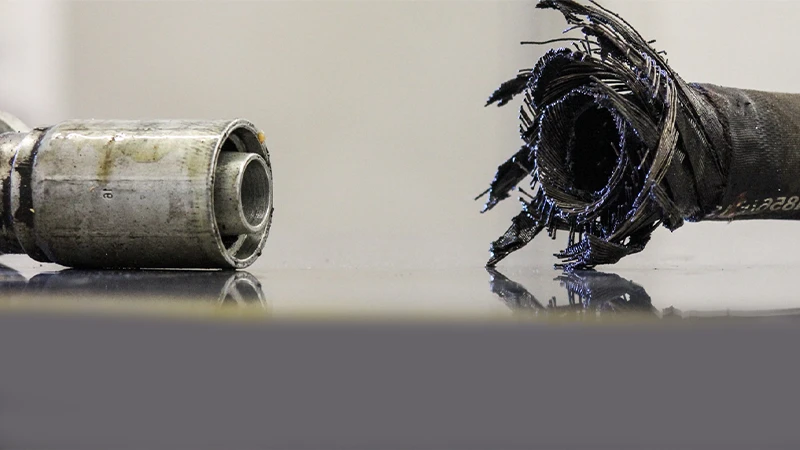
Pulse Fatigue in Mining Equipment
Pressure surges happen often in mining equipment. When you start or stop pumps quickly, or close valves suddenly, the fluid inside your hydraulic system moves fast. This rapid change in fluid speed creates a spike in pressure. These spikes can go much higher than the normal working pressure of your hoses. If you use high pressure hoses, you expect them to handle tough jobs, but even the strongest hoses can fail if pressure surges happen too often.
You might see several problems when pressure surges strike:
- Hose bursts are one of the most common hydraulic hose failures in mining.
- Sudden spikes can push the hose beyond its rated limit, causing it to rupture.
- The force of a burst hose can send high-pressure fluid jets into the air, which is dangerous for both people and equipment.
- Frequent start and stop cycles in mining machines increase the risk of these surges.
- Abrupt changes in direction or speed of the fluid can also cause damage.
- Over time, the inside layers of the hose may separate, a problem called reinforcement delamination.
- Fittings can loosen or fail, leading to leaks or hose blow-offs.
Pulse fatigue is the term for the wear and tear that happens when hoses face repeated pressure changes. Each surge puts stress on the hose walls and fittings. If you ignore these signs, you risk sudden failures that can stop your operation and put your team at risk.
Kingdaflex High-Impulse Hoses
You can protect your mining equipment from pressure surges by choosing hoses designed for high-impulse conditions. Kingdaflex offers a full range of impulse-tested hydraulic hoses built for mining. These hoses go through more than 1,000,000 impulse cycles at pressures above the industry standard. This means they can handle frequent pressure spikes without bursting or leaking.
Kingdaflex high pressure hoses use strong steel wire reinforcement and advanced synthetic rubber. This construction helps the hose absorb and release energy from each surge, reducing the risk of fatigue. The hoses also feature precision-engineered fittings that stay secure, even under extreme pressure changes. You get a leak-proof connection that keeps your hydraulic system safe.
When you use Kingdaflex hoses, you lower the chance of unplanned downtime. Your equipment runs longer, and you avoid costly repairs. Kingdaflex also provides technical support to help you choose the right hose for your mining application. Their team can guide you on installation and maintenance, so you get the best performance from your hoses.
Fluid Contamination and Hydraulic Hose Failure
Sources of Contamination
You face many challenges in mining, but fluid contamination is one of the most damaging threats to your hydraulic system. Contaminants can enter your system at any stage, from installation to daily operation. If you do not control these particles, they can quickly lead to common hydraulic hose failures.
Here are the main sources of contamination in mining hydraulic systems:
- Built-in contamination: New hoses and components often contain metal shavings or debris left over from manufacturing and assembly.
- Environmental contamination: Dust, dirt, and water from the mining site can enter your hydraulic system during operation.
- Generated contamination: Normal wear and tear inside the system creates particles as components rub together or as fluid breaks down.
- Human-induced contamination: Maintenance activities, such as using dirty tools or exposing ports during repairs, introduce new contaminants.
Other ways contamination enters your system include:
- Filling with new fluid that is not properly filtered
- Quick couplers that are not cleaned before use
- Breathers that allow dust or moisture inside
- Cylinder rod scratches that let in dirt
- Worn seals or bad gaskets at the top of the tank
- Exposed ports during repairs
- Even brand new hydraulic fluid can carry particles if not handled correctly
Preventive Maintenance with Kingdaflex
You can prevent most contamination problems by following a strong maintenance plan. Good habits and the right products protect your equipment and keep your operation running smoothly.
Follow these steps to minimize contamination in your hydraulic system:
- Use only clean, certified hydraulic fluid and change it at the recommended intervals.
- Stick to filter maintenance schedules to keep filters from clogging.
- Inspect hoses, fittings, and other components regularly for signs of wear or leaks.
- Repair leaks right away and use monitoring systems to catch problems early.
- Train your team on cleanliness practices to avoid cross-contamination.
- Document and review cleaning and maintenance procedures often.
- Use dedicated tools and equipment for handling hydraulic fluid.
- Store fluids in sealed containers and keep them away from dust and moisture.
- Never mix incompatible hydraulic fluids, as this can cause chemical reactions and damage hoses.
- Consider using offline filtration systems to extend fluid life.
- Use breather filters and magnetic separators to control contamination.
- Always seal and cap ports when not in use.
- Investigate the root cause of contamination issues to prevent them from happening again.
- Stay updated on industry standards and best practices.
Kingdaflex supports your preventive maintenance efforts with hydraulic hoses that meet strict SAE and DIN standards for cleanliness and durability. Their hoses resist swelling and softening, even when exposed to tough mining fluids. Kingdaflex also provides technical support to help you select the right hose for your application and fluid type. By choosing Kingdaflex, you reduce the risk of hose failure and keep your mining operation safe and productive.
High-Temperature Damage and Hose Failure
Heat Aging and Degradation
Mining equipment often operates in environments where temperatures soar. When you expose hydraulic hoses to high heat, the materials inside begin to break down faster. Heat causes the rubber and plastic components to lose their flexibility. Over time, you may notice hoses that feel hard or brittle. These changes make hoses more likely to crack, leak, or even burst under pressure.
Nearly all plastics, including those used in hydraulic hoses, lose their mechanical strength as temperatures rise. You might see hoses soften, change color, or develop small cracks. This process is called thermal-stress cracking. Internal heat from hydraulic fluid can also build up, especially if your system cannot release heat quickly. When this happens, the hose walls lose plasticizers, which are chemicals that keep the material flexible. Without them, hoses become stiff and fragile.
The effects of high temperatures on hydraulic hoses can be summarized in the table below:
| Effect | Description |
|---|---|
| Material Degradation | Heat accelerates the aging of hose materials, causing cracks and leaks. |
| Reduced Pressure Capacity | As materials weaken, hoses may not withstand operational pressures. |
| Safety Hazards | Failures can lead to equipment damage and pose risks to personnel. |
You should watch for these warning signs:
- Hoses that feel unusually stiff or hard
- Visible cracks or discoloration on the hose cover
- Leaks or sudden drops in system pressure
- Hoses that fail sooner than expected
Kingdaflex Heat-Resistant Solutions
You can protect your mining operation from heat-related hose failures by choosing the right products. Kingdaflex offers hydraulic hoses built to handle extreme temperatures. These hoses use advanced synthetic rubber blends that resist heat aging. The materials stay flexible even when exposed to temperatures up to 100°C. This means your hoses last longer and perform better in hot environments.
Kingdaflex hoses also feature outer covers that resist both heat and ozone. This extra protection keeps the hose from cracking or hardening, even when equipment runs nonstop. The hoses maintain their shape and flexibility in both hot and cold weather. You get reliable performance year-round.
Here are some key benefits of Kingdaflex heat-resistant hoses:
- Extended service life in high-temperature mining applications
- Consistent pressure capacity, even as temperatures fluctuate
- Reduced risk of sudden hose failure and equipment downtime
- Compliance with international standards for safety and durability
Kingdaflex supports you with technical guidance on selecting the best hose for your needs. Their team can help you match hose specifications to your mining environment. By using Kingdaflex heat-resistant hoses, you keep your equipment running safely and efficiently, no matter how tough the conditions get.
Note: Investing in heat-resistant hoses pays off by reducing maintenance costs and preventing unexpected failures. Choose Kingdaflex for proven performance in the world’s harshest mining sites.
Prevent Hydraulic Hose Failure from Fitting Issues
Installation Errors
You might think that installing a hydraulic hose coupling is simple, but small mistakes can lead to big problems. Many hydraulic hose issues in mining start with fitting installation errors. If you do not follow the correct steps, you risk leaks, blow-offs, or even sudden hose bursts. These failures can stop your equipment and put your team in danger.
The table below shows the most frequent fitting installation errors you should watch for:
| Error Type | Description |
|---|---|
| Insertion Depth | Fittings must be fully inserted to the correct depth. If not, the fitting can blow off under pressure. |
| Improper Assembly | If you do not clean the hose before assembly, debris can cause leaks or failures later on. |
You need to check that every fitting is inserted to the right depth. Even a small gap can cause the connection to fail when the system is under pressure. Cleaning the hose before assembly is just as important. Dirt or metal shavings left inside can damage the seal and lead to leaks. These errors often happen when you rush or skip steps during installation. Always take your time and follow the correct process for proper hose assembly.
Ignoring the minimum bend radius during installation can also put extra stress on the fittings. This stress can weaken the connection and cause early failure. If you see leaks or hear hissing near a fitting, stop the machine and inspect the area right away. Quick action can prevent a costly repair and keep your operation safe.
Kingdaflex Assembly Quality
You can avoid most fitting-related failures by choosing hoses and assemblies from a trusted manufacturer. Kingdaflex takes extra steps to make sure every hydraulic hose coupling meets strict quality standards. Their process includes:
- Training for all staff who install or assemble hoses, so you know the right procedures and safety steps.
- Clear instructions for assembling hoses and fittings, including the correct tools and techniques to avoid overtightening.
- Regular inspections of hoses for wear, damage, or leaks, along with routine maintenance checks to catch problems early.
Kingdaflex uses advanced crimping machines to create precise, leak-proof connections. Each assembly goes through a quality check before it leaves the factory. You get hoses that fit perfectly and last longer, even in tough mining conditions. The company also offers training and support, so your team can learn the best practices for installation and maintenance.
When you use Kingdaflex products, you reduce the risk of hydraulic hose issues caused by poor installation. You also save time and money by avoiding unplanned downtime. Proper hose assembly and regular checks keep your equipment running smoothly and safely.
Best Practices to Prevent Hydraulic Hose Failure
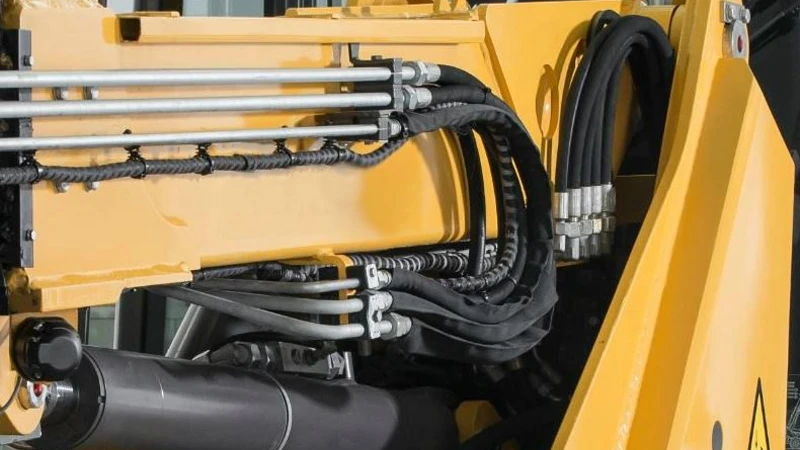
Regular Inspection and Predictive Maintenance
You can prevent hydraulic hose failure by making regular inspections and predictive maintenance part of your routine. These steps help you spot problems before they cause downtime or safety risks. When you check hoses often, you catch early signs of wear, leaks, or damage. Predictive maintenance uses data and scheduled checks to keep your equipment running smoothly.
- Regular inspections help you find small issues before they become big failures.
- Predictive maintenance reduces wear and tear, keeping hoses in top condition.
- Early detection lets you fix problems quickly, avoiding costly breakdowns.
- These practices can cut downtime by 45% and reduce breakdowns by 75%, which boosts your operational efficiency.
By following these steps, you extend the life of your hoses and keep your mining operation safe and productive. Hydraulic maintenance is not just about fixing problems—it is about preventing them.
Staff Training and Documentation
Your team plays a big role in keeping hoses working safely. Training helps everyone understand how to handle, install, and inspect hoses correctly. Good documentation tracks hose specifications and service history, so you always know when to replace or check a hose.
- Without proper records, you risk performance and safety issues.
- A structured tracking system and regular inspections help you manage hoses proactively.
- Training and documentation lead to fewer failures, longer hose life, and less downtime.
When your staff knows what to look for and how to act, you avoid common hydraulic hose failures and keep your site running smoothly.
Partnering with Kingdaflex for Support
Choosing the right partner makes a big difference in your operation. Kingdaflex offers technical support and a wide range of products designed for mining. You get help selecting the best hose for your needs and guidance on installation and maintenance.
| Feature | Description |
|---|---|
| Wide Range of Mining Hoses | Options for slurry, water, chemicals, and more. |
| Customizable Options | Length, diameter, material, and fittings tailored to your operation. |
| High Durability and Flexibility | Premium materials resist abrasion, corrosion, and kinking. |
| Competitive Wholesale Pricing | Cost-effective solutions from a trusted manufacturer. |
| Material Selection | Rubber, PVC, and reinforced composites for different environments. |
| Adjustable Ratings | Pressure and temperature ratings to match your demands. |
When you work with Kingdaflex, you gain access to expert advice and reliable products. This partnership helps you prevent hydraulic hose failure and keeps your mining equipment performing at its best.
ROI of Prevention and Kingdaflex Engineering Support
Downtime Savings
You know that every minute of downtime in mining costs money. Proactive hydraulic maintenance helps you avoid expensive breakdowns and keeps your equipment running. When you invest in regular inspections and preventive care, you see real savings. The numbers speak for themselves:
| Evidence Type | Details |
|---|---|
| Cost Savings | Structured maintenance programs save $15,000-$25,000 annually per machine. |
| Downtime Reduction | Proactive maintenance reduces hydraulic failure risk by 80%. |
| Preventive vs Reactive Costs | Preventive maintenance costs $8,000-$12,000 annually, while reactive maintenance costs $20,000-$35,000. |
| Downtime Costs | Hydraulic system failure results in $2,500-$4,000 per day in lost productivity. |
| Fuel Efficiency | Well-maintained hydraulics improve fuel economy by 10-15%. |
| Resale Value | Documented maintenance preserves 25-35% more equipment value. |
When you use Kingdaflex hoses in your mining operation, you see even greater benefits. Mining companies have reported:
- 78% decrease in hydraulic-related stoppages.
- $2.1 million saved each year from longer hose life and fewer emergency repairs.
- Zero catastrophic failures after switching to Kingdaflex hoses.
You can trust that reliable hose and hydraulic services make a big difference in your bottom line. Less downtime means more production and fewer headaches for your team.
Technical Resources from Kingdaflex
You do not have to face hydraulic challenges alone. Kingdaflex gives you access to a team of hydraulic repair specialists who understand the demands of mining. Their experts help you choose the right hose for each job, answer your technical questions, and provide training for your staff. You get support at every step, from product selection to installation and ongoing maintenance.
Kingdaflex offers:
- Detailed product guides and technical manuals.
- On-site training for your maintenance crew.
- Custom solutions for unique mining applications.
- Fast response for urgent repair needs.
You gain peace of mind knowing that Kingdaflex stands behind every hose. Their engineering support helps you prevent problems before they start. With Kingdaflex, you get more than just a product—you get a partner committed to your success.
You face many risks in mining, including tube erosion, fluid incompatibility, cracks from aging, improper bend radius, and abrasion. Regular inspection and proper installation help you avoid these failures. Kingdaflex hydraulic hoses give you reliable performance in tough conditions.
- Clean critical parts often
- Replace aging hoses quickly
- Use the right tools for installation
- Train your team and follow safety standards
Consult Kingdaflex experts for tailored solutions. Ongoing training and proactive maintenance keep your operation safe and productive.