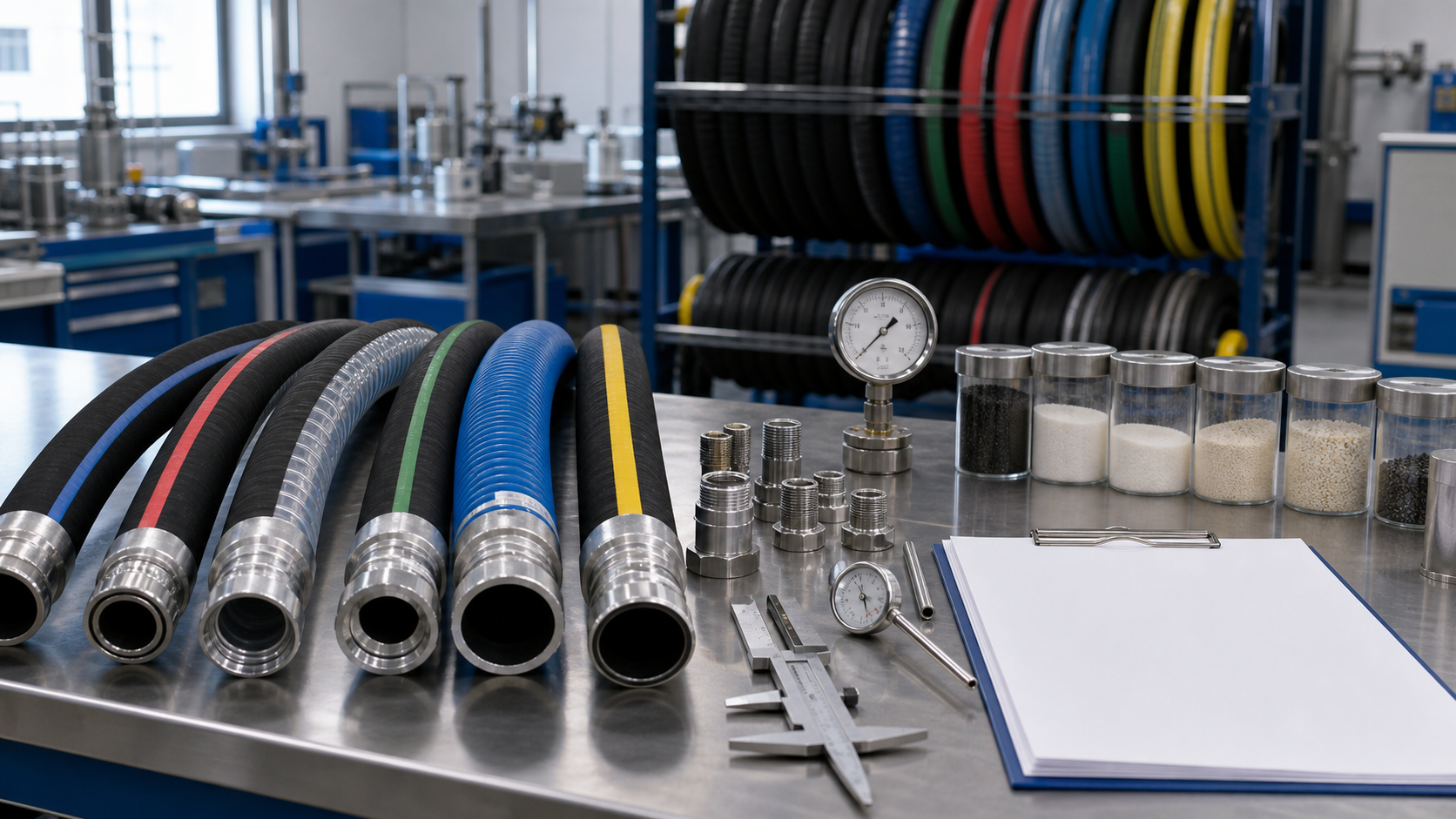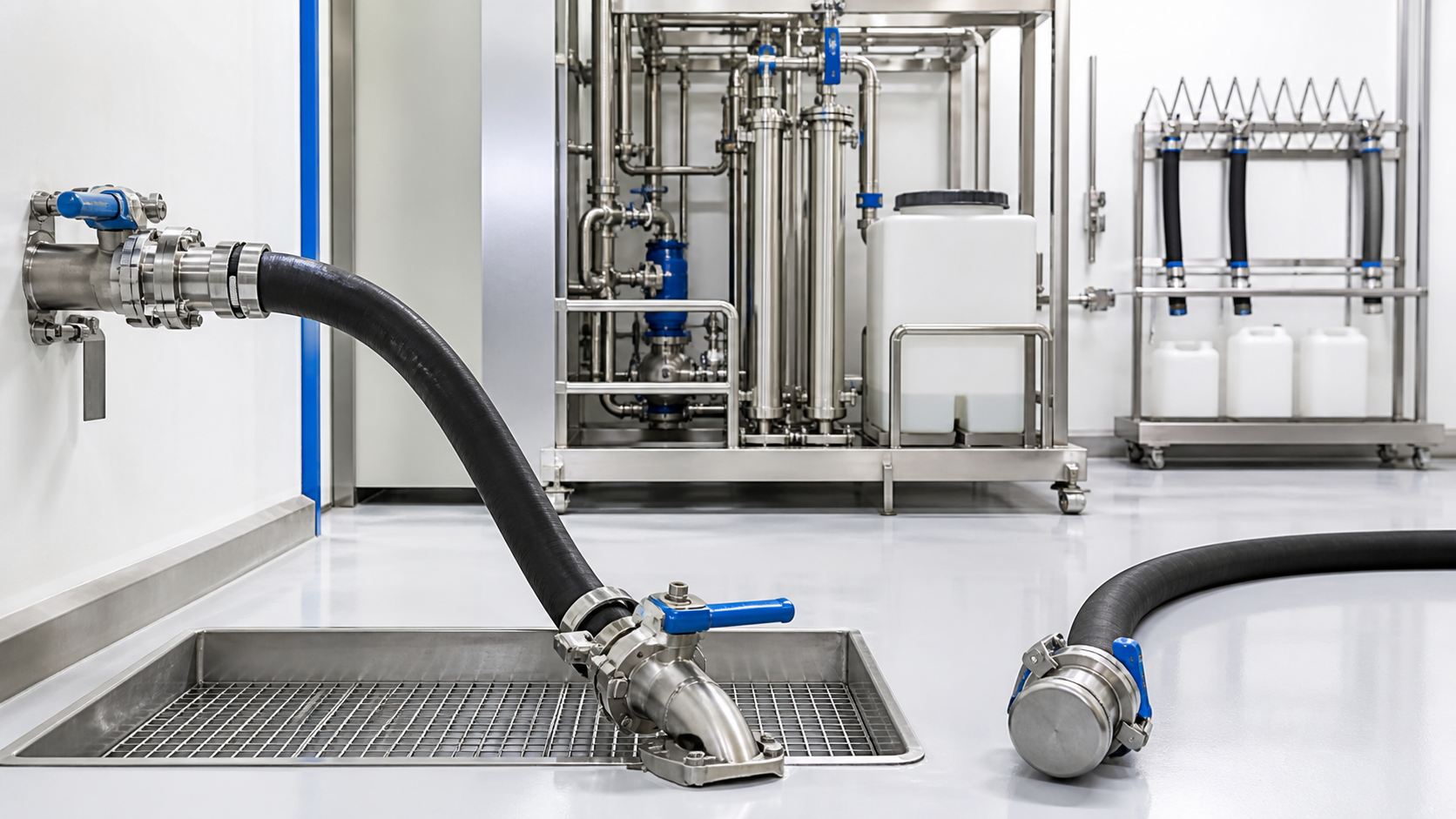
Mud circulation systems are the lifeblood of modern drilling operations, and the suction and delivery hoses that move drilling fluid through these systems play a critical role in maintaining operational efficiency and safety. Unlike static components, these hoses experience constant dynamic stresses—they must reliably transfer abrasive-laden drilling mud at variable pressures while resisting the chemical and thermal challenges inherent in downhole environments. Understanding the design requirements and performance specifications of these hoses is essential for drilling engineers, procurement teams, and operators who depend on uninterrupted circulation to sustain wellbore integrity and productivity.
The Critical Role of Suction and Delivery Hoses in Drilling Fluid Systems
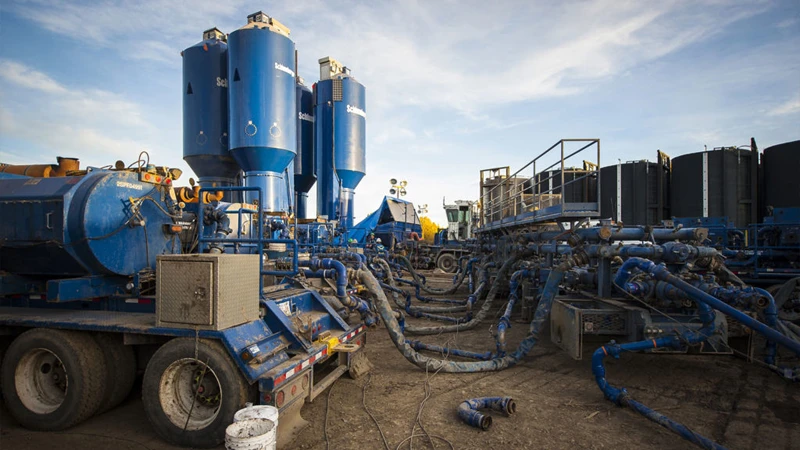
In a typical onshore or offshore drilling operation, suction hoses connect the mud tanks to the high-pressure mud pumps, while delivery hoses route pressurized mud from the pumps down the drill pipe and back up the annulus to the surface. This circulation cycle repeats continuously throughout the drilling phase—sometimes for weeks or months—exposing these hoses to conditions that would quickly degrade lesser equipment.
The suction side operates under vacuum and low-pressure conditions as mud is drawn into the pump. The delivery side, by contrast, experiences the full discharge pressure of the pump, often ranging from 3,000 to 5,000 PSI or higher, depending on the well depth and formation characteristics. Both sides, however, must contend with drilling mud that may contain sand, silt, limestone cuttings, and chemical additives designed to optimize drilling performance. This mixture is abrasive, corrosive, and often thermally unstable—creating a hostile environment that demands hoses engineered specifically for petroleum applications.
Design Requirements for Suction Hoses
Suction hoses face unique engineering challenges that differ significantly from their discharge counterparts. Because they operate under vacuum or partial vacuum conditions, suction hoses must be designed to resist collapse while maintaining flexibility for field installation and routing around rig structures. A hose that collapses even partially will restrict flow, reduce pump efficiency, and create a bottleneck that forces the pump to work harder—leading to heat buildup and accelerated wear.
The reinforcement structure of a quality suction hose typically includes a spiral-wound wire helix embedded in the hose wall, which prevents internal collapse while allowing the hose to flex during normal bending operations. This design must balance rigidity with workability—the hose needs to be stiff enough to maintain its internal diameter under vacuum, yet flexible enough to be handled on a rig without excessive kinking or pinching.
Suction hoses are also subject to what the industry calls “wire draw,” a phenomenon where the wire reinforcement can separate from the rubber tube under certain vacuum conditions or due to mechanical stress during installation. Premium suction hoses employ a tight bond between the wire and elastomer, achieved through careful vulcanization and compound selection, to minimize this risk.
Performance Requirements for Delivery Hoses
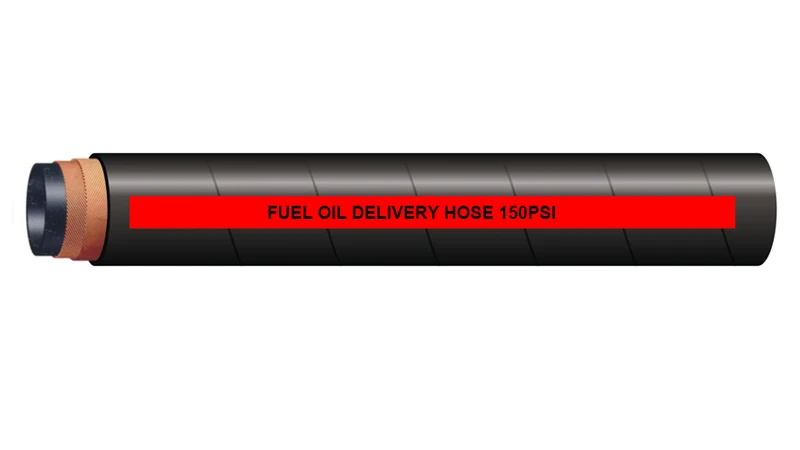
Delivery hoses operate under high pressure and therefore must be constructed with multiple layers of spiral-wound wire reinforcement, typically arranged in alternating directions (left and right spirals) to provide balanced load distribution. The number of wire layers directly correlates to the hose’s working pressure rating—a 4-wire hose might be rated for 3,000 PSI, while a 6-wire hose could handle 5,000 PSI or more.
The elastomer compound in delivery hoses must resist not only mechanical abrasion but also chemical attack from drilling mud additives. Modern drilling fluids may include solvents, emulsifiers, and corrosion inhibitors that can gradually swell or degrade certain rubber compounds. High-performance delivery hoses are typically constructed from nitrile or synthetic rubber compounds selected to maintain their physical properties even after prolonged exposure to petroleum-based drilling fluids.
Temperature management is another critical consideration. As pressurized mud flows through the hose, friction generates heat. In deepwater or extended-reach wells, this thermal stress can elevate the internal hose temperature significantly. The elastomer must remain pliable and resilient across a wide temperature range—typically from ambient conditions of 0°C up to 70°C or beyond—without becoming brittle or losing its sealing properties at the hose ends.
Material Specifications and Compatibility
The choice of elastomer material directly impacts how a hose performs in a given mud system. Nitrile (NBR) rubber has long been the industry standard for suction and delivery hoses because it offers excellent resistance to crude oil and most drilling fluid additives at a reasonable cost. For more aggressive applications—such as those involving solvent-based mud systems or deepwater operations—synthetic elastomers like Viton or polyurethane may be specified to provide superior chemical resistance and temperature stability.
Hose cover material is equally important. The outer cover must resist weathering if the hose is exposed to sunlight during rig assembly or in long-term storage. It must also resist abrasion from contact with rig structures and drilling equipment. Standard ozone-resistant rubber covers are typical for suction hoses, while more durable synthetic covers are often applied to delivery hoses that may experience rougher handling on the deck.
Comparative Performance: Suction vs. Delivery Hose Specifications
| Specification | Suction Hose | Delivery Hose |
|---|---|---|
| Operating Pressure | 0–1,000 PSI (partial vacuum to low pressure) | 2,000–6,000 PSI |
| Wire Reinforcement | 1–2 spiral wire layers | 4–8 spiral wire layers |
| Collapse Resistance | High (anti-collapse design essential) | Moderate (pressure containment priority) |
| Typical Elastomer | Nitrile, synthetic rubber | Nitrile, Viton, polyurethane |
| Outer Cover | Standard ozone-resistant rubber | High-abrasion synthetic rubber |
| Internal Diameter Range | 2–6 inches | 2–4 inches |
| Typical Service Life | 6–12 months with proper maintenance | 3–9 months under heavy-use conditions |
Best Practices for Selection and Installation
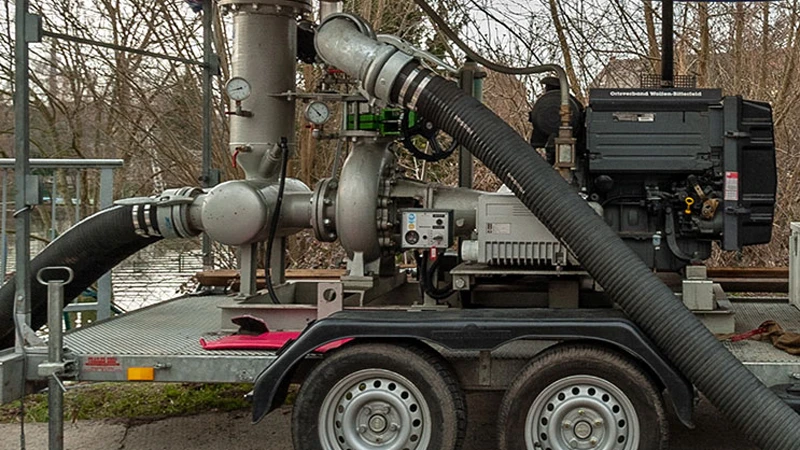
Selecting the correct suction and delivery hose starts with understanding the specific requirements of your drilling fluid system and well design. Operators should verify the mud type (water-based, oil-based, synthetic), the anticipated pressure profile, and the maximum circulating temperatures before specifying hoses. Consulting with the hose manufacturer about your drilling fluid additives is critical—some chemical additives that are benign toward nitrile may aggressively swell or soften synthetic compounds.
Installation practices significantly influence hose performance and lifespan. Suction hoses should never be kinked or twisted during rig-up, as this can damage the internal wire structure or create stress concentrations that lead to premature failure. Delivery hoses should be secured with appropriate clamps and supports to minimize vibration—high-pressure hoses that vibrate excessively can develop internal micro-tears that eventually propagate into catastrophic failures. The bend radius of both types should never be less than the manufacturer’s minimum specification, as tighter bends concentrate stress and reduce fatigue resistance.
Maintenance and Inspection for Extended Service Life
Suction and delivery hoses are high-wear consumables in drilling operations, but their service life can be extended through diligent inspection and maintenance. Before each well, hoses should be visually examined for signs of external cracking, bulging, or cover abrasion. At the connection ends, look for evidence of leakage or seeping, which may indicate internal degradation of the elastomer or separation of the wire reinforcement from the tube.
During drilling operations, monitor for changes in pump discharge pressure or flow rate—sudden increases in discharge pressure with constant pump RPM may signal a partially collapsed suction hose or internal blockage. If a hose is suspected to be deteriorating, replacing it immediately is far more cost-effective than experiencing an unplanned shutdown or, worse, a catastrophic failure that damages other rig equipment or compromises wellbore safety.
Conclusion
Suction and delivery hoses are engineered solutions specifically designed to meet the demanding requirements of mud circulation systems. Their performance depends on correct material selection, proper installation, and ongoing maintenance. By selecting hoses that match your specific drilling fluid chemistry, pressure profile, and operational tempo, and by following manufacturer guidelines for installation and care, you can maximize reliability, reduce operational downtime, and ultimately improve your bottom line. The investment in premium-grade suction and delivery hoses pays dividends through consistent performance and extended service intervals in even the most challenging drilling environments.