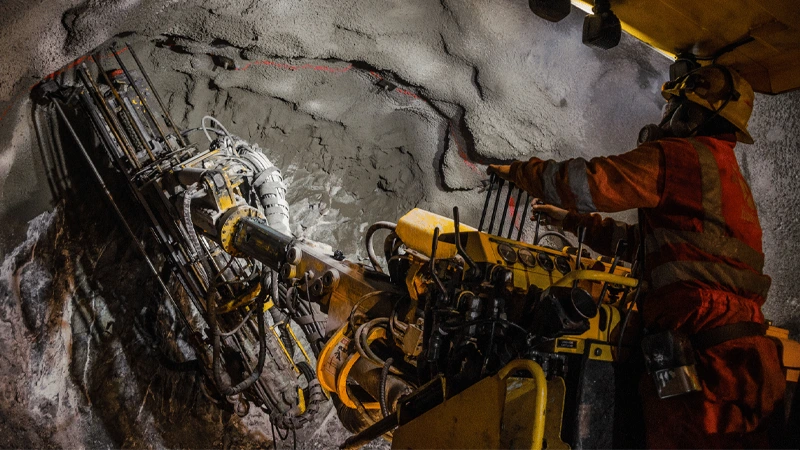
Hydraulic hose failure in mining can stop your machines. This can slow down your whole work site. You face risks like air and water contamination. There are also extreme temperature changes, low fluid levels, and human mistakes. The table below shows the most common causes:
| Cause | Explanation |
|---|---|
| Air and Water Contamination | This is the main reason for hydraulic failures. It causes 80-90% of problems. It happens from broken pumps, system leaks, and temperature changes. |
| Temperature Problems | Very hot or cold temperatures can change the fluid. The fluid can get too thin or too thick. This can hurt lubrication and cause leaks. |
| Fluid Levels and Quality | Low fluid levels and bad filters can let air in. This can also cause temperature problems. |
| Human Error | If people install or fix things wrong, it can cause big problems in the hydraulic system. |
You need Hydraulic Hose Solutions that can handle tough conditions. They must be reliable. Kingdaflex gives you proven quality. They have global certifications and advanced technology. These work for your mining drills, excavators, and roof supports.
Downtime Risk in Mining Operations

Productivity Loss from Hose Failure
If a hydraulic hose breaks, it is not just a quick fix. Your machines stop working. This means you lose money fast. For example, if you make $10,000 each hour, four hours stopped means $40,000 lost. These losses can hurt your business. You might miss delivery dates. This can make clients unhappy.
A broken hose does more than stop work. It can be dangerous for workers. Fluid leaks can make people slip or fall. Sometimes, leaks can even start fires. Fixing the hose quickly costs more money. You still pay workers even when machines are off. Emergency fixes cost more than planned repairs. All these things lower how much work gets done.
Cost of Maintenance vs. Prevention
Skipping regular checks may seem cheaper, but it is not. Emergency repairs and sudden stops cost much more. Here is what can happen if you wait too long:
- Machines do not work until you get a new hose.
- Leaks or bursts can cause spills and make things too hot.
- Emergency fixes cost more than regular checks.
- One broken hose can stop all your work and cause big losses.
If you have fewer breakdowns, you spend less fixing things. Checking hoses often helps you avoid big problems. It keeps your mining work going well. Using good hoses and regular checks protects your machines and your money.
Mining Hydraulic Hose Challenges

Pressure and Abrasion Resistance
Mining work puts a lot of pressure on hoses. Hoses must handle heavy loads and sudden changes. Six-spiral wire reinforced hoses, like SAE 100R15, are very strong. They can take hard hits and rough use. You also need a tough cover and a spiral guard. This keeps hoses safe from rocks and sharp things. Picking hoses that handle more pressure helps stop sudden breaks and stops.
Extreme Temperatures and Chemicals
Mining can be very hot or very cold. Heat can make hoses crack and leak. Cold can make hoses stiff and easy to break. You need hoses that work in many temperatures. Some hoses work up to 260°C (500°F). They are tested to make sure they do not leak or break under heat. Look for hoses that meet ISO 18752 and API Spec 7K. These hoses work well in tough places.
- High-temperature hoses work from 150°C (302°F) to 260°C (500°F)
- They are tested to last under heat and pressure
- They meet ISO 18752 and API Spec 7K rules
Safety and Reliability Needs
Safety is always most important. Broken hoses can leak near engines or hot parts. Leaks can start fires fast. Checking hoses often and training workers helps find problems early. Good hoses lower fire risk, downtime, and spills. The table below shows how better hoses help safety and save money:
| Metric | Improvement/Reduction | Impact on Fire Risk and Mining Safety |
|---|---|---|
| Hose failures | 68% reduction | Fewer failures mean fewer leaks and lower fire risk |
| Downtime | 70% reduction | Less stoppage improves safety and response times |
| Fluid spillage | 70% reduction | Fewer leaks decrease fire hazards and environmental risks |
| Repair costs | ~55% reduction | Savings allow more investment in safety and maintenance |
| Annual savings | $140,000 | Financial benefit supports sustained safety improvements |
| ROI | 14 months | Quick ROI shows the value of high-quality hose systems |
Hydraulic Hose Solutions: Key Features
Reinforced Construction and Materials
Mining sites are tough places for hoses. Kingdaflex makes hoses with strong steel wire inside. This helps the hoses handle high pressure and not burst. Spiral wire hoses, like 4-wire and 6-wire types, can take up to 6,100 psi. These hoses work well on mining drills, excavators, and roof supports.
Kingdaflex hoses have three layers. The inner tube uses oil-resistant rubber. The middle layer has coiled wire or braided textile. The outside layer protects from weather, scratches, and chemicals. This keeps hoses safe from rocks and sharp edges.
Here is a table comparing hydraulic hoses and regular hoses:
| Feature | Hydraulic Hoses | Standard Industrial Hoses |
|---|---|---|
| Pressure Resistance | Up to 3000 psi | Not suitable for hydraulic systems |
| Temperature Tolerance | Designed for extreme temperatures | Not designed for high temperature use |
| Construction Layers | Three layers: inner tube, middle layer, outer layer | Typically single-layer construction |
| Material of Inner Layer | Synthetic rubber, thermoplastic, PTFE | Varies, not specialized for hydraulic use |
| Middle Layer Reinforcement | Coiled wire or textile braiding | Not reinforced for high pressure |
| Outer Layer Protection | Protects against weather and abrasives | Limited protection |
| Standards Compliance | Must meet SAE J517 specifications | No specific standards for hydraulic use |
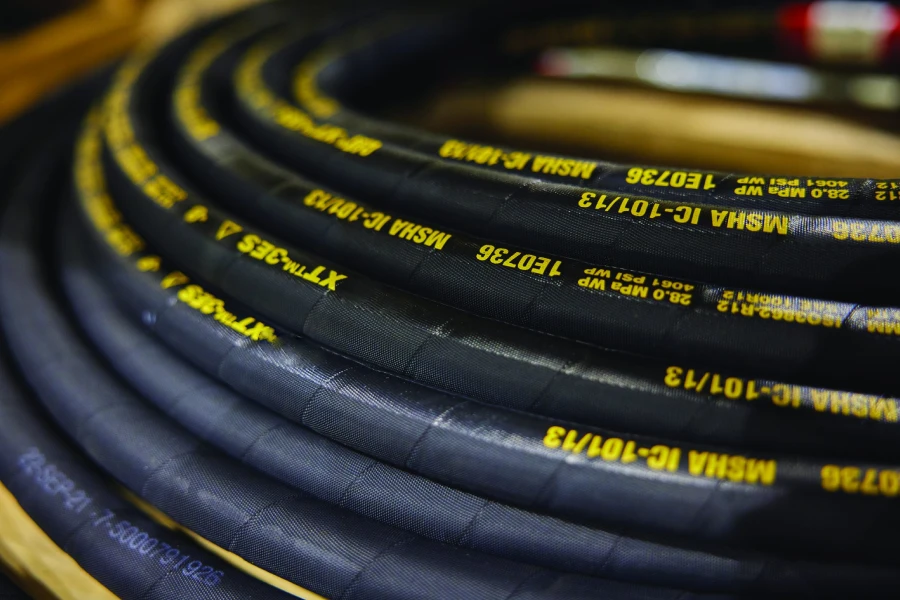
Kingdaflex hoses meet SAE and DIN rules. They pass MSHA flame tests. These hoses help keep mining safe and working well.
Flexibility and Durability
Mining machines move and shake all day. You need hoses that bend but do not break. Kingdaflex hoses are flexible and fit in tight spots. They use special rubber and spiral wire inside. This lets you put hoses on drills, excavators, and roof supports easily.
Kingdaflex hoses wear down 50% less than EN/ISO rules. They handle 20% more heat than most hoses. These hoses last longer in hot and cold places. Kingdaflex hoses can take 1 million impulse cycles. That is five times more than EN857 2SC hoses. This means you change hoses less often and save time.
- Less wear keeps hoses safe from rocks.
- More heat tolerance helps hoses work in mines.
- One million cycles means hoses last longer.
Kingdaflex lets you pick hose length, color, and packaging. You can get custom hoses for your needs.
Fluid Compatibility
Hydraulic Hose Solutions must work with many fluids. Kingdaflex hoses handle hydraulic oils, water-based fluids, biodegradable liquids, chemical solvents, and gases. The inner tube does not swell, get hard, or dissolve. This keeps your system working and stops contamination.
Kingdaflex tests hoses with common mining fluids. Their hoses meet ISO and SAE rules for fluid resistance. This protects machines and keeps workers safe.
- Works with hydraulic oils and water-based fluids
- Handles biodegradable liquids and chemical solvents
- Stops swelling and hardening inside the hose
Kingdaflex gives you Hydraulic Hose Solutions for mining. You get hoses that are strong, flexible, and work with many fluids. Custom choices help you match hoses to your machines and site.
Quality Standards for Mining Hydraulic Hoses
MSHA Flame Resistance
You need to use hydraulic hoses with MSHA flame resistance in underground mining. These rules help protect workers and machines from fire. MSHA certification means the hose will not make a fire worse. This is not just about safety. It is also the law. If you use hoses without this, you could have deadly accidents or get big fines. MSHA hoses can handle at least four times your system’s highest pressure. You should keep these hoses away from things that can start fires. Kingdaflex hoses meet or go beyond these tough rules. This helps keep your mining site safe and legal.
ISO and SAE Certifications
Mining hoses must meet world standards. ISO and SAE certifications show a hose can do hard work. These rules check pressure, how well the hose works, and how long it lasts. The table below lists two important certifications for mining hoses:
| Standard | Description |
|---|---|
| ISO 18752 | Puts hoses in groups by pressure (500-3500 psi) and checks how well they work. |
| SAE 100R12 | Covers four-wire spiral hoses for very high-pressure jobs in mining and construction. |
Kingdaflex hoses have these certifications. This means you get hoses you can trust for tough jobs.
Impulse Testing Requirements
Impulse testing checks if a hose can take lots of pressure changes. Mining machines turn on and off many times each day. You want hoses that last through all these cycles. Rules like ISO 1436 say how to do these tests.
| Standard | Description |
|---|---|
| ISO 1436 | Sets world rules for hose size, pressure, and how well it works. |
| Impulse Testing | Checks how a hose handles lots of pressure changes. |
- Impulse cycles test how a hose handles sudden pressure.
- Tests use 133% of the hose’s normal pressure.
- A good hose should last at least 200,000 cycles. Some, like Kingdaflex, last up to 1,000,000 cycles.
Hydraulic Hose Solutions for Mining Drills
Hose Types and Specs
You need the right hose to keep your mining drills running strong. Mining drills face heavy loads, sharp rocks, and constant movement. Not every hose can handle these tough jobs. Here are the most common types you will find on mining drills:
- Thermoplastic hoses have a smooth plastic cover. They use wire braid or textile fibers for strength. These hoses are light and easy to move.
- Teflon hoses stand up to chemicals and heat. You can spot them by their white or yellow cover.
- Wire braid hoses use layers of braided steel wire. They give you great pressure resistance and last a long time.
- Spiral wire hydraulic hoses work well when your drill moves or shakes a lot. They bend easily and do not kink or twist.
- Rubber hoses are versatile and cost-effective. They flex well and resist many fluids.
Each hose type has its own strengths. You should match the hose to your drill’s needs. For example, spiral wire hoses work best if your drill arm moves often. Teflon hoses help if you use harsh chemicals or face high heat.
Performance Benefits
When you use specialized Hydraulic Hose Solutions on your mining drills, you see real improvements. The right hose cuts down on failures and keeps your machines working longer. Here is what you can expect:
| Improvement Type | Metric Change |
|---|---|
| Failure Rate | Reduced from 25% to below 5% |
| Operational Lifespan | Increased by nearly 50% |
| Downtime per Incident | Reduced by over 60% |
| Maintenance Costs | Dropped by an estimated 40% annually |
You spend less time fixing hoses and more time drilling. Fewer breakdowns mean your team stays safe and your site stays productive. Lower maintenance costs help your bottom line. When you pick the right Hydraulic Hose Solutions, you protect your investment and keep your mining drills running at their best.
Excavator Hydraulic Hose Solutions
Common Configurations
Excavators have hydraulic hoses in many spots. You see hoses on the boom, arm, bucket, and swing circuits. Each hose deals with different pressure and movement. Some hoses bend a lot. Others handle high pressure. Wire braided hoses go on medium-pressure lines. Wire spiral hoses work for high-pressure jobs. Thermoplastic hoses fit tight spaces because they are light and bend easily.
You need to pick the right hose for each job. Use spiral wire hoses for the main pump and boom. Braided hoses work best for return lines. If your excavator works near rocks or debris, pick hoses with covers that resist scratches. The table below shows which hose types go where:
| Hose Type | Typical Use | Pressure Range |
|---|---|---|
| Wire Braided | Return lines | Up to 3,000 psi |
| Wire Spiral | Main pump, boom | Up to 6,100 psi |
| Thermoplastic | Swing, pilot lines | Up to 2,500 psi |
Maintenance and Longevity
Your excavator lasts longer if you take care of the hoses. Small problems get worse if you ignore them. Checking hoses often stops big issues. Look at hoses and seals for damage. Keep fluid levels right. Change broken parts fast.
- Check the undercarriage, tracks, hoses, and other important parts for wear.
- Fix problems quickly so you do not lose time or money.
- Look for cracks, leaks, or bulges on hoses.
- Clean hose ends so dirt does not cause leaks.
Kingdaflex Hydraulic Hose Solutions help you avoid breakdowns. These hoses last longer because they use strong materials and pass hard tests. Planned checks keep your excavator safe and working well. You spend less fixing things and get more done.
Roof Support Hydraulic Hose Solutions
Load-Bearing and Safety
Roof support systems in mining need strong hoses. These hoses must hold heavy loads and keep workers safe. Longwall mining uses high-pressure hydraulic lines. The hoses work with petroleum-based or water emulsion fluids. Two wire braid hoses are common because they handle both steady and changing pressure. The hydraulic circuit inside roof supports stays steady most of the time. This lets hoses handle higher pressure without breaking.
You should pick hoses that meet EN 853 2SN standards. These rules say the hose’s working pressure is about one part, and the burst pressure is two and a half parts. This helps you know the hose will not burst during normal use. EN rules set the burst pressure, so you have a good safety margin.
- High-pressure lines are used for longwall mining and roof supports.
- Hoses work with petroleum-based and water emulsion fluids.
- Two wire braid hoses handle both steady and changing pressure.
- Steady hydraulic circuits let hoses handle more pressure.
- EN 853 2SN standard sets safe pressure limits.
Safety is the most important thing in mining. You keep your team safe by picking hoses that meet tough rules and can handle the loads your roof supports need.
Customization Options
Every mining site is different. You need Hydraulic Hose Solutions that fit your machines and safety needs. Kingdaflex lets you change many things about your hoses. You can pick the length, size, and cover type. You can choose colors to make hoses easy to spot. You can add spiral guards or fire sleeves for more protection. Kingdaflex also lets you add your company’s name to the hoses.
Here is a table showing common ways to customize hoses:
| Option | Benefit |
|---|---|
| Length & Diameter | Fits your specific equipment |
| Cover Type | Adds abrasion or fire resistance |
| Color Coding | Makes hose identification easy |
| Spiral Guard | Protects against sharp edges |
| Fire Sleeve | Shields from high temperatures |
| OEM Branding | Matches your company’s needs |
You get hoses that work for your site and help keep your team safe. Custom choices make it easier to take care of your roof supports and stop long delays.
Choosing Kingdaflex as Your Manufacturer
Manufacturing Capabilities
When you pick a hydraulic hose supplier for mining, you want someone with strong manufacturing skills. Kingdaflex is different because their hoses work in the hardest mining jobs. They use special rubber covers that last a long time. The hoses have strong steel wire inside and parts that fit together perfectly. These things help hoses last longer and work better under pressure.
Here is a table that shows why Kingdaflex is special:
| Feature | Description | Benefit |
|---|---|---|
| Superior Abrasion Resistance | Ultra-Wear Synthetic Rubber Cover designed to survive harsh mining conditions. | Outlasts standard hoses by 10 times, extending replacement intervals and reducing costs. |
| High Impulse Cycle Ratings | Engineered for over 1,000,000 impulse cycles at 133% of maximum pressure. | Guarantees no-burst performance, protecting hydraulic systems from failure and downtime. |
| Certified Safety & Thermal Stability | Compliant with MSHA standards for flame resistance and anti-static properties. | Prevents fire hazards and ensures flexibility in extreme temperatures. |
| 100% Leak-Proof Connection Reliability | Optimized for precision-matched crimped fittings. | Achieves a 100% leak-free seal, preventing fluid loss and environmental contamination. |
Kingdaflex uses modern machines and follows strict rules. Their hoses meet SAE, DIN, and MSHA standards. You can also get hoses in different lengths, colors, and with your company’s name. This helps your hoses fit your machines and safety needs.
Quality Control and Testing
You need hoses that pass hard tests before you use them. Kingdaflex checks every hose with strong quality control steps. They do impulse testing, pressure testing, and salt spray testing. These tests copy real mining problems and help stop hose failures.
| Testing Procedure | Description |
|---|---|
| Impulse Testing | This test evaluates the hydraulic hose’s abrasion and predicts its service life by cycling pressure up to 200% of the working pressure for 200,000 cycles, simulating worst-case conditions. |
| Pressure Testing | This procedure assesses the structural integrity of hoses by subjecting them to pressures exceeding their rated limits, ensuring they can handle operational pressures safely and reliably. |
| Salt Spray Testing | This test simulates corrosive environments to evaluate the hose’s resistance to corrosion, using a salt fog to accelerate the corrosion process and ensure durability against harsh conditions. |
Kingdaflex’s quality checks include:
- Safety: Hoses can handle high pressure, so they do not burst or leak.
- Quality: Each hose meets the right rules and company standards.
- Prevention: They find weak spots before hoses break.
Because Kingdaflex tests so much, you get hoses that work well in mining, building, and other tough jobs.
Global Supply and Support
You need a supplier who sends hoses fast and helps you anywhere. Kingdaflex has been making hoses since 2003. Their factory is in Qingdao, a big shipping city. This helps you get hoses quickly and keeps your work moving.
| Evidence Type | Description |
|---|---|
| Advanced Manufacturing Capabilities | Kingdaflex has evolved into a world-class manufacturer of hydraulic and industrial hoses since 2003. |
| Strategic Location | Located in Qingdao, a major logistics hub, allowing for superior supply chain advantages. |
| Commitment to Quality | Products are engineered for harsh environments, ensuring reliability for mining applications. |
Kingdaflex keeps their hoses sorted by type, so you get the right one fast. Every hose batch is made for your order and color-coded. Their hoses have liners that keep out water, so they last longer. Kingdaflex also teaches your team how to use and care for hoses.
Auditor’s Checklist for Supplier Selection:
- Does the supplier meet SAE, DIN, and MSHA standards?
- Can you get custom hose assemblies and OEM branding?
- Are hoses tested for impulse, pressure, and corrosion?
- Is inventory organized for fast delivery?
- Does the supplier offer technical support and training?
- Are hoses engineered for moisture resistance and long life?
When you pick Kingdaflex, you get a partner who gives you good products, quick help, and smart advice. Your mining site stays safe and busy with Kingdaflex’s Hydraulic Hose Solutions.
Future Outlook for Hydraulic Hose Solutions
Material Innovations
Hydraulic hoses for mining are changing a lot. Companies now use eco-friendly materials. These include bio-based rubber and recyclable synthetics. These new materials help you follow safety and environmental rules. Hoses made from advanced compounds last longer. They also bend more easily. You get hoses that weigh less but still do tough jobs.
- Bio-based rubber and recyclable synthetics help lower waste.
- Smarter ways to make hoses use less energy and make less pollution.
- Automation and lean production help make hose quality better.
- IoT technology lets you check hose health right away.
- Predictive maintenance helps you fix problems before machines stop.
- New designs give you small, light hoses for tight spaces.
You will get hoses that work better and last longer. These changes help keep your mining site safe and efficient.
Sustainability Trends
Sustainability is important for hydraulic hoses in the future. You need hoses that protect workers and the planet. Eco-friendly materials like polyethylene and bio-based plastics are now used. These materials help lower greenhouse gas emissions and save resources. Some hoses use recycled content to make them stronger and cut your carbon footprint.
- Carbon-free hoses help lower emissions compared to old hoses.
- Biodegradable packaging helps keep mining sites cleaner.
- Many companies now follow ISO 14001:2015 for the environment.
- Sustainable hoses help you meet customer and legal rules.
You can pick hoses that help your company’s green goals. As more mining companies care about sustainability, you will see more choices for safe, strong, and eco-friendly hydraulic hose solutions.
You need hydraulic hoses that work well for mining drills, excavators, and roof supports. Pick hoses that are strong and last a long time. Good hoses do not wear out fast. They can handle rough materials and high pressure. Always look for SAE standards and make sure the hose works with your fluids. This keeps your site safe.
Choose a trusted company like Kingdaflex for certified hoses. Watch for new smart hose technology and eco-friendly materials. These choices help keep your team safe, protect your machines, and support your future in mining.